

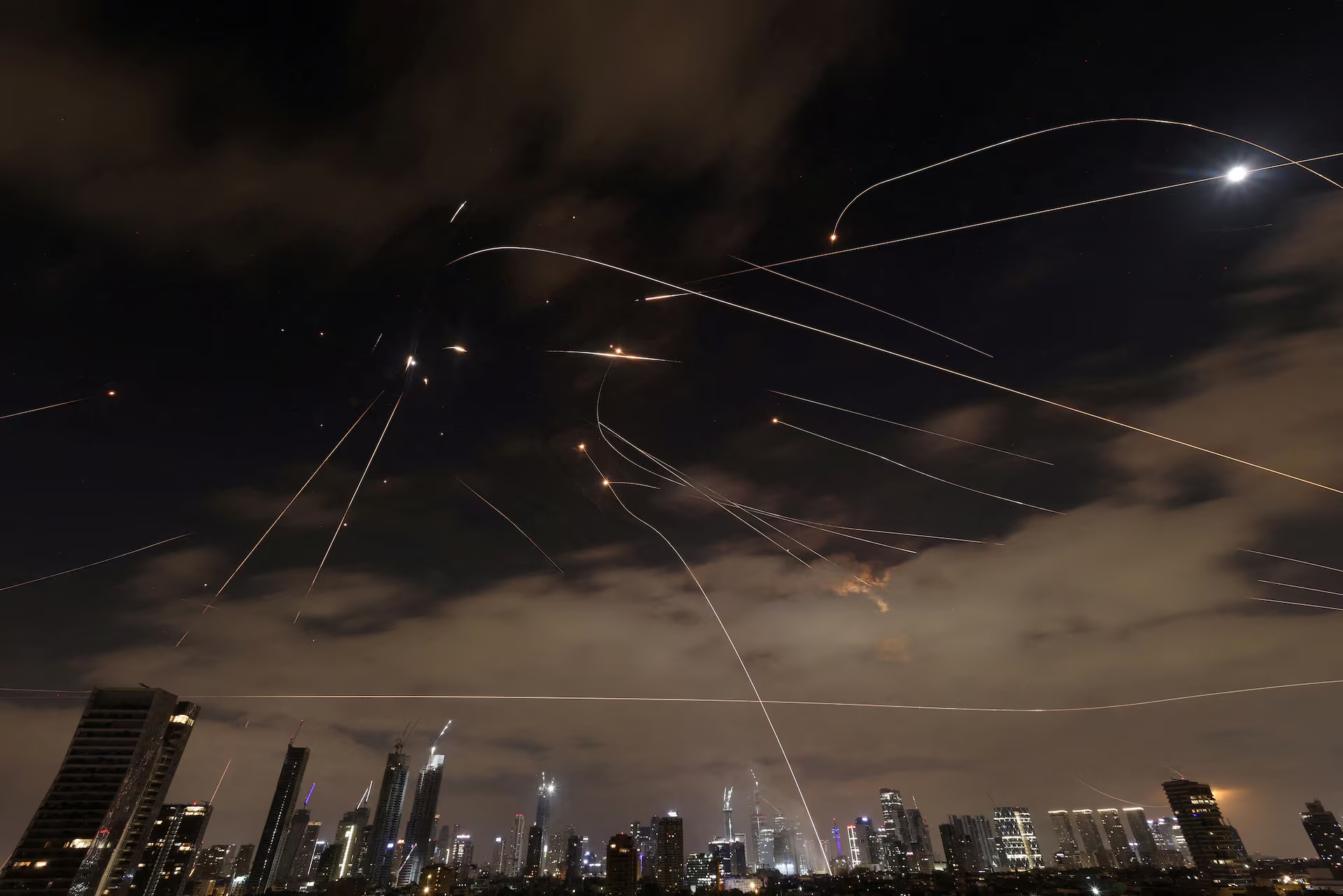

Iran’s “New Method” Missile Strikes Escalate Israel-Iran Conflict to New Heights
*June 16, 2025* Hotspotorlando News
The Middle East teeters on the edge of a broader regional war as Iran’s missile strikes on Israel’s Tel Aviv and Haifa, launched in the early hours of June 16, 2025, introduced what Iranian authorities call a “new method” to breach Israel’s advanced air defense systems. This escalation, part of a fierce exchange following Israel’s “Operation Rising Lion” on June 13, has killed dozens, damaged key infrastructure, and raised global fears of an all-out conflict. As G7 leaders meet in Canada to address the crisis, the world watches to see if diplomacy can prevent catastrophe.
A “New Method” in Missile Warfare
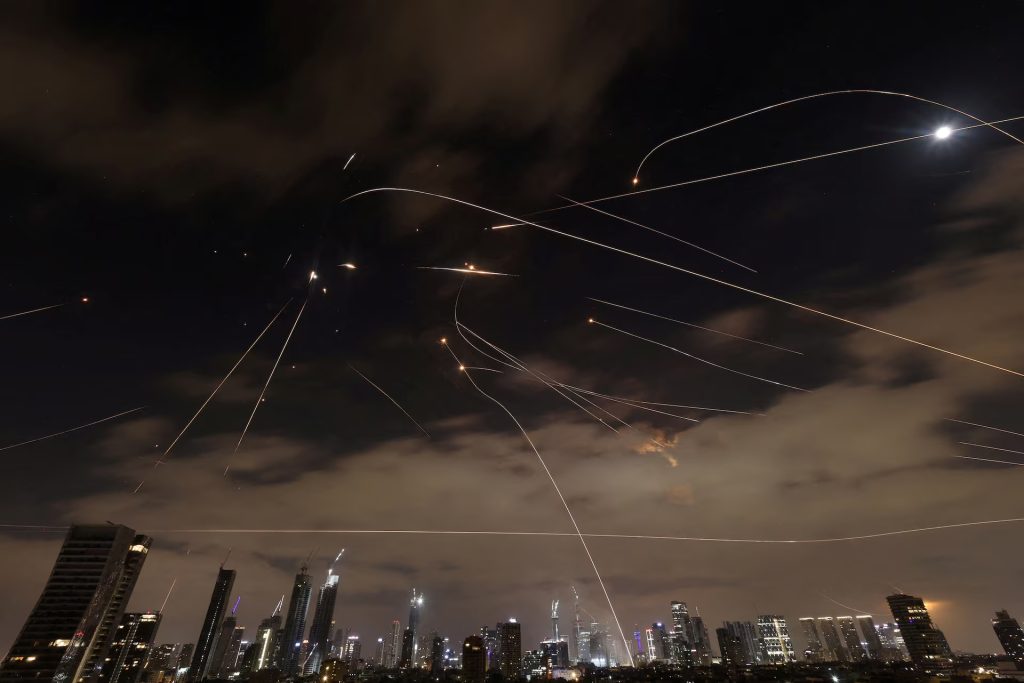
Iran’s Islamic Revolutionary Guard Corps (IRGC) claimed its latest barrage used a novel tactic that caused Israel’s multilayered air defenses—systems like Iron Dome, David’s Sling, and Arrow—to “misfire against each other,” allowing missiles to hit targets in Tel Aviv and Haifa. While details remain scarce, reports suggest the use of advanced ballistic missiles, possibly hypersonic or high-precision models, designed to evade interception.
The strikes, part of Iran’s “Operation Severe Punishment,” involved some 270 missiles launched over two nights, with 22 penetrating Israel’s defenses—a higher success rate than prior attacks, like those in April 2024. The “new method” could involve:
– Hypersonic or Maneuverable Missiles: Reports cite missiles capable of unpredictable mid-flight maneuvers, challenging radar detection.
– Coordinated Barrages: Iran may have overwhelmed defenses with dense missile salvos, possibly mixed with drones.
– Electronic Warfare: The claim of defenses “targeting each other” suggests potential jamming or spoofing, though evidence is lacking.
– Improved Guidance: Enhanced precision could explain hits on specific targets, like a power plant near Haifa’s port or Tel Aviv’s residential areas.
Iran’s state media hailed the strikes as a breakthrough, but the penetration rate (about 8%) shows Israel’s defenses remain largely effective. Israel’s silence on the “new method” may reflect a desire to avoid validating Iran’s narrative or hide vulnerabilities. Some analysts warn Iran’s claims may be partly propaganda to rally domestic support amid heavy losses from Israeli strikes.
Escalation: From Nuclear Strikes to Civilian Toll
The conflict ignited on June 13, when Israel launched “Operation Rising Lion,” targeting Iran’s nuclear facilities, defense ministry, and military leadership. The strikes killed top IRGC commanders, including Hossein Salami and Mohammad Hossein Bagheri, and nuclear scientists. Iran retaliated with waves of missiles and drones, culminating in the June 16 strikes on civilian and strategic sites in Israel.
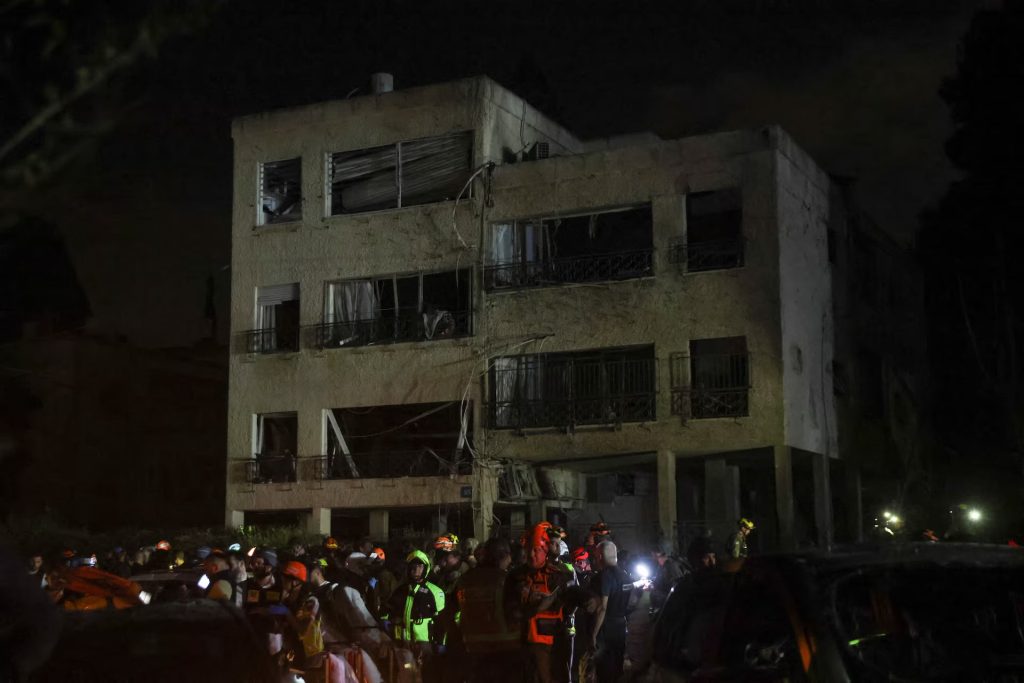
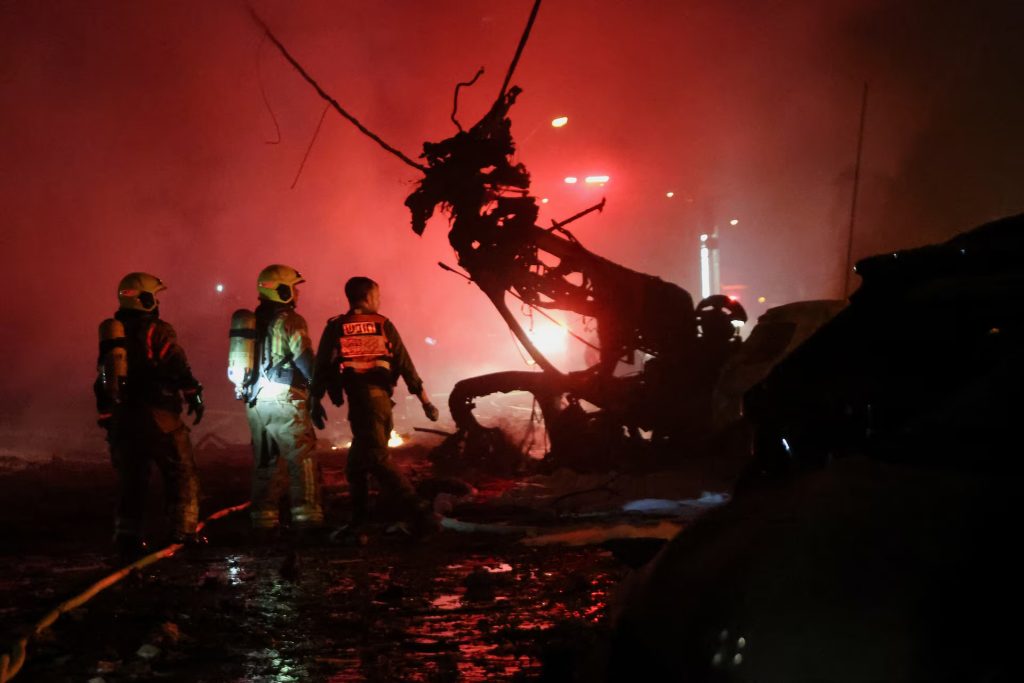
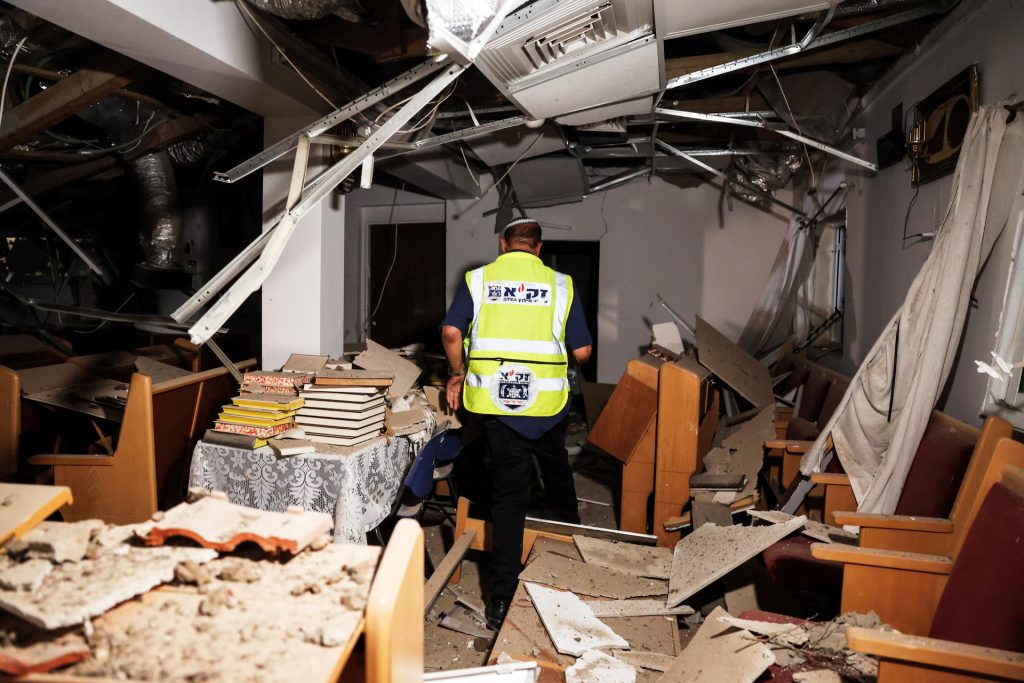
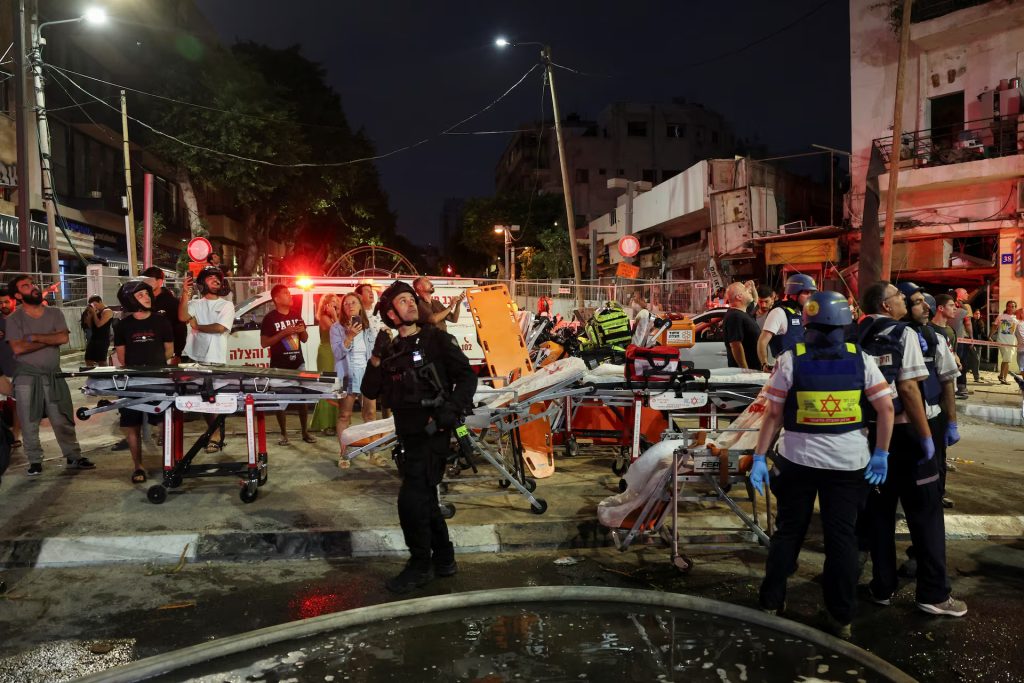
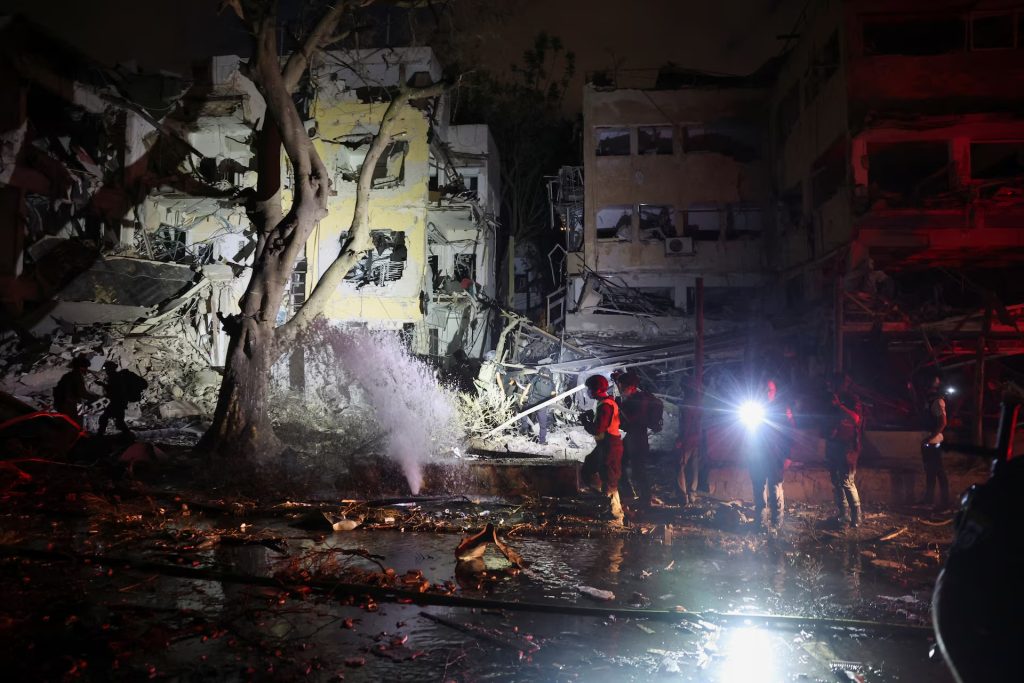
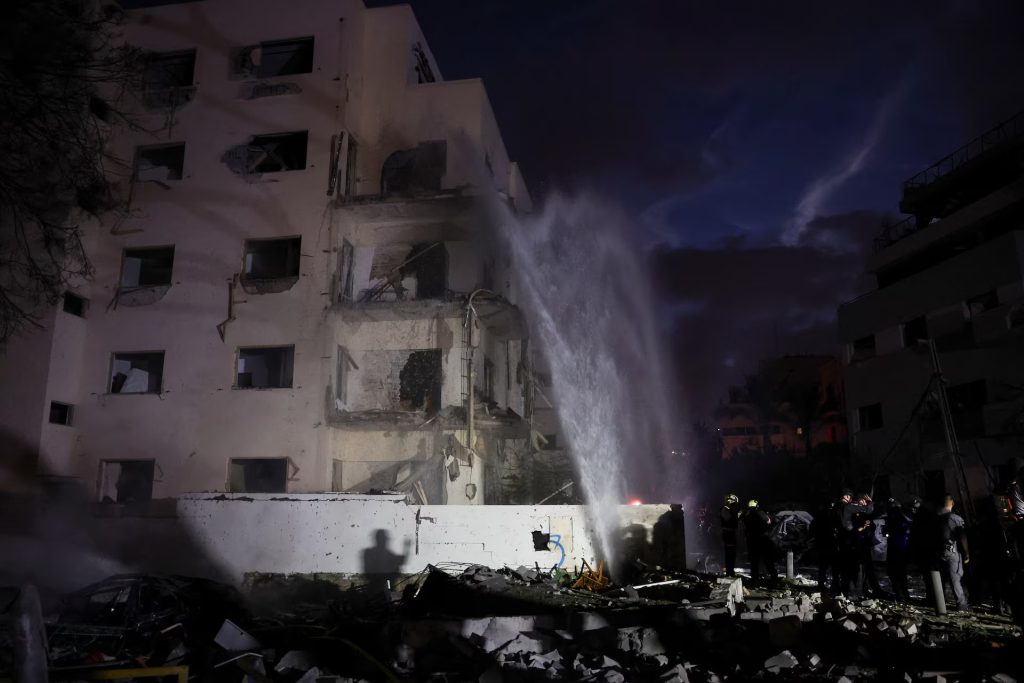
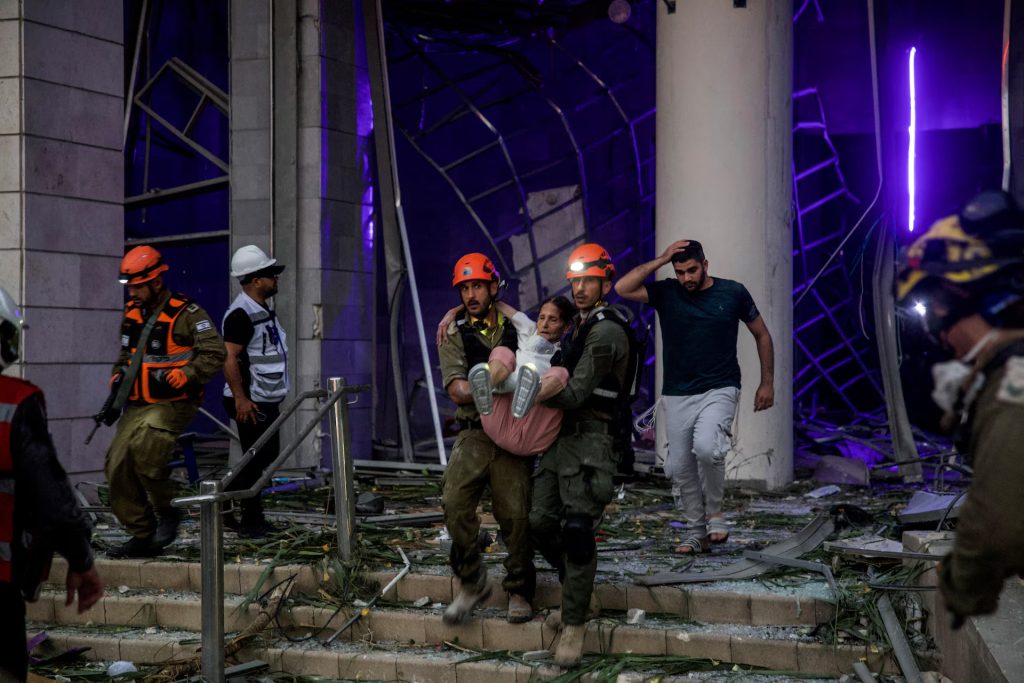
The human cost is stark. In Israel, at least 18 people have died since Friday, with over 100 injured in the latest attacks. Key incidents include:
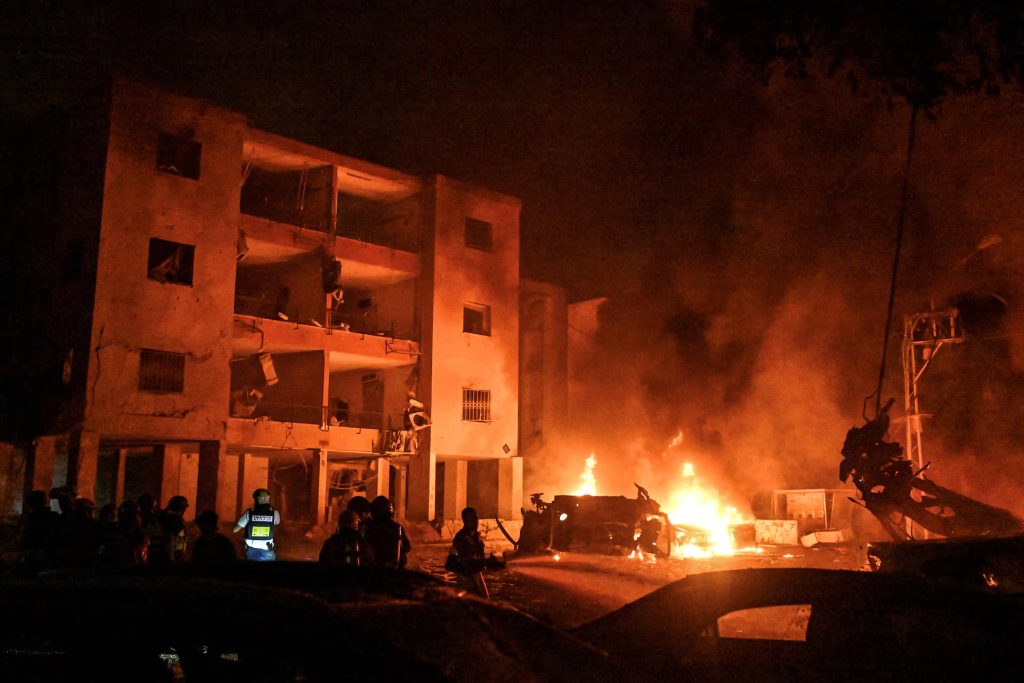
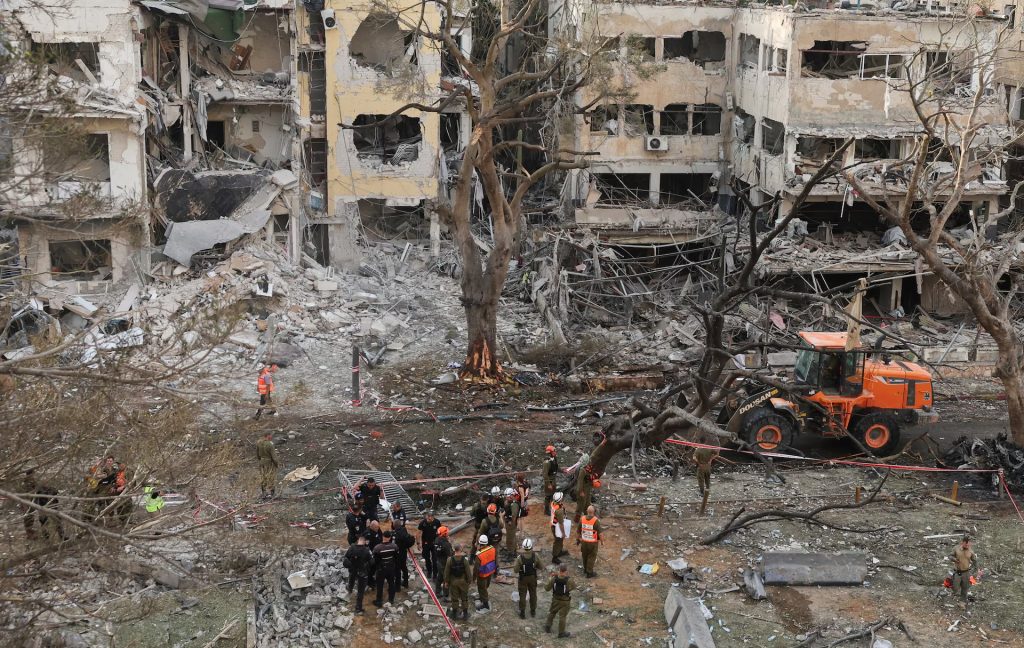
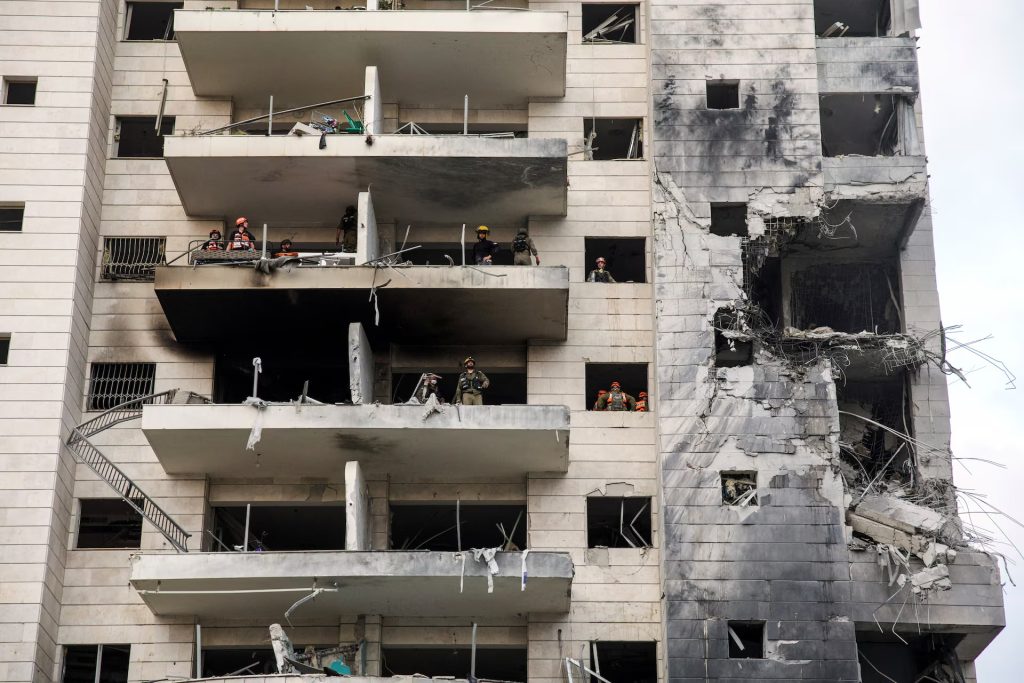
– Six deaths, including children, in Bat Yam, where a missile leveled an apartment building.
– Damage to a power plant and port infrastructure in Haifa, with fires at the Bazan Group refinery.
– Strikes on residential areas in Tel Aviv, Petah Tikva, and Bnei Brak, plus a school and a market.
In Iran, Israeli strikes have killed between 78 (per Iran’s U.N. ambassador) and 224 (per Iran’s health ministry), with most reportedly civilians. A 14-story apartment block in Tehran collapsed, killing 60, including 29 children, and oil and gas facilities were hit.
Both sides are unyielding. Israeli Prime Minister Benjamin Netanyahu vowed to escalate, declaring Iran’s nuclear program “no longer immune.” Iran’s President Masoud Pezeshkian promised a response “20 times stronger,” while Israel’s Defense Minister Israel Katz called Iran’s civilian attacks “cowardly” and warned that “Tehran will burn.”
Strategic and Regional Stakes
Iran’s “new method,” if real, marks a step forward in its missile capabilities, potentially emboldening weakened proxies like the Houthis or Hezbollah remnants. Yet, with Hamas and Hezbollah diminished, Iran’s regional clout is limited. Targeting Haifa’s refinery and Tel Aviv’s civilian areas aims to disrupt Israel’s economy and morale, while Israel’s strikes on Iran’s oil and nuclear sites threaten Tehran’s energy sector and strategic goals.
The U.S. has supported Israel’s missile defense but denied involvement in the initial strikes. President Donald Trump rejected an Israeli plan to assassinate Iran’s Supreme Leader Ayatollah Ali Khamenei, signaling limits to U.S. backing. Nuclear talks with Iran, set for June 15 in Oman, were scrapped, dimming de-escalation hopes.
Global alarm is growing. G7 leaders in Canada prioritize the crisis, with German Chancellor Friedrich Merz backing Israel’s self-defense while noting Iran’s non-nuclear status. The U.N., EU, and Pope Leo XIV call for restraint, but Iran’s threats to close the Strait of Hormuz and target foreign bases aiding Israel risk economic chaos and broader conflict.
The Path Forward
Iran’s “new method” and the escalating strikes signal a perilous new chapter in the Israel-Iran rivalry. Iran’s partial success in penetrating Israel’s defenses challenges the regional military balance, while Israel’s deep strikes into Iran showcase its reach. Both nations face domestic pressures—Israel’s public backs action but fears a drawn-out war, while Iran grapples with economic woes and civilian losses.
Without swift diplomacy, the cycle of retaliation could draw in the U.S., Gulf states, or others, risking a regional war. The G7 summit and EU meetings this week offer a faint hope for de-escalation, but with nuclear talks stalled and both sides entrenched, peace seems elusive.
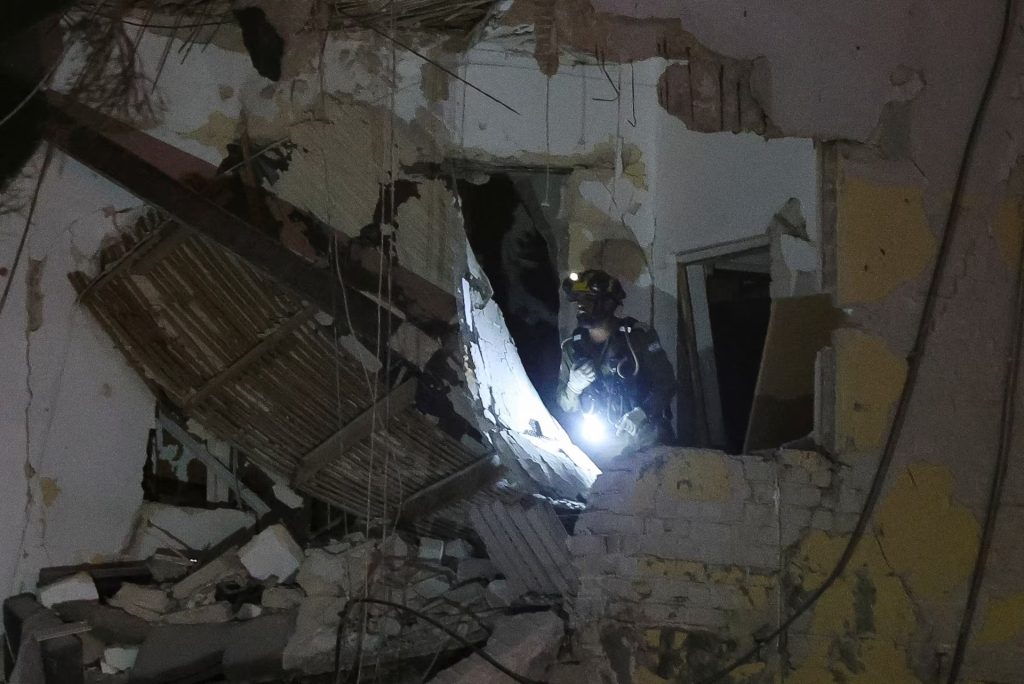
As rescue teams in Tel Aviv and Tehran dig through debris, the world waits to see if restraint can prevail before the conflict engulfs the region.
*Sources: Reuters, The Washington Post, The New York Times, CBS News, Al Jazeera, The Guardian, posts on X*