


By the Hotspotorlando Newsxx
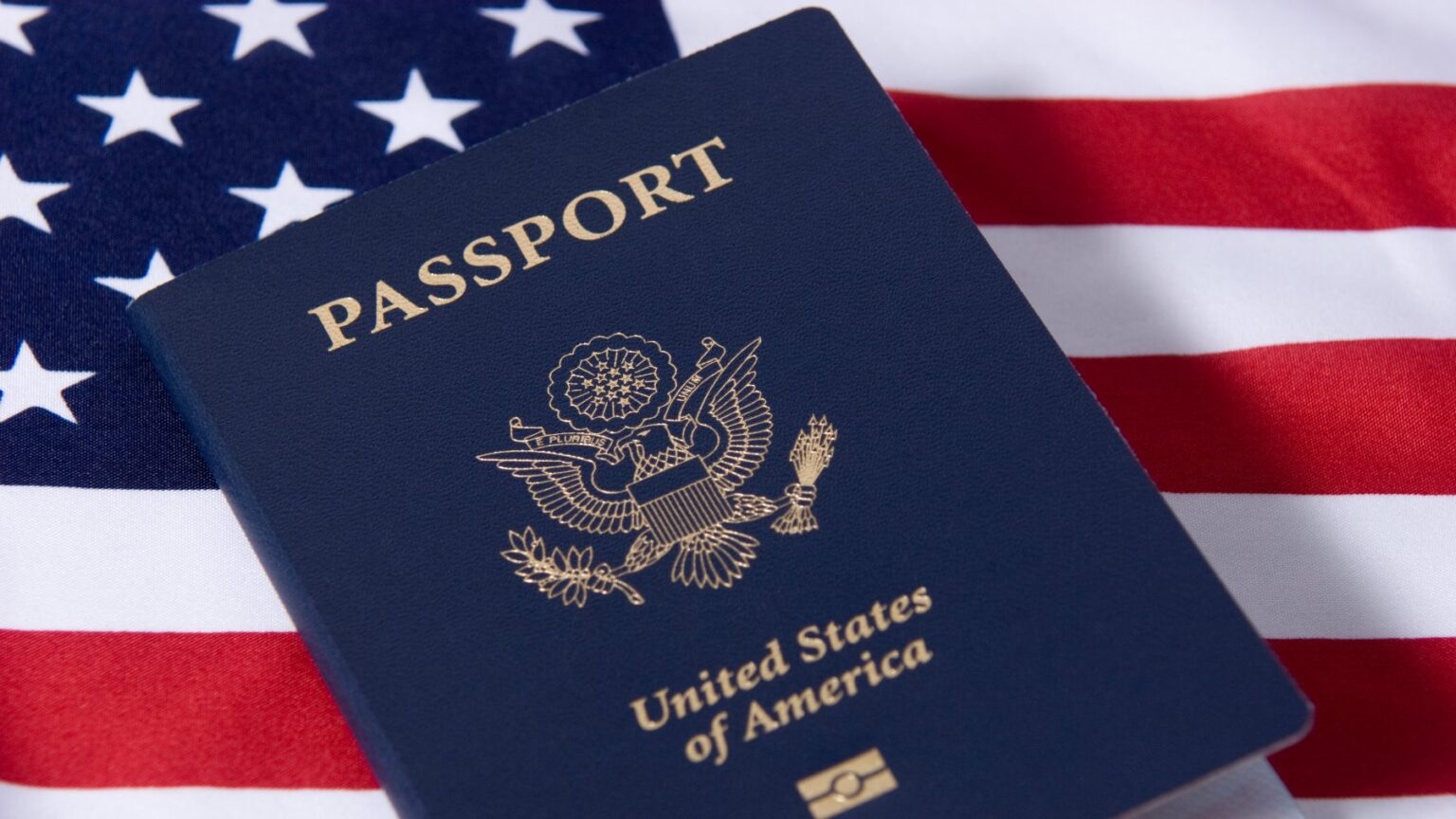
The Transportation Security Administration (TSA) has ushered in a new era of travel convenience by approving the use of digital passports on Apple and Android mobile devices. This groundbreaking decision promises to reduce the hassle of carrying physical passports, allowing travelers to verify their identity with a tap of their phone. However, this approval comes with an important condition that keeps the physical passport from disappearing entirely just yet. Here’s what this change means for travelers and the future of identification at airports.
## What Is a Digital Passport?
A digital passport is an electronic version of the traditional passport, securely stored on a mobile device through apps like Apple Wallet or Google Wallet. It contains the same critical information found in a physical passport—your name, date of birth, nationality, and passport number. To set it up, users typically scan their physical passport’s data page, use the device’s NFC technology to read the passport’s embedded chip, and complete a selfie verification process for added security. Once created, the digital passport is encrypted and stored in the device’s secure element, ensuring that your personal data stays protected.
## The TSA’s Big Move
With this approval, the TSA now allows travelers to present their digital passports at select domestic airport checkpoints. This eliminates the need to dig through bags for a physical passport during certain parts of the journey, potentially speeding up check-in and security processes. Imagine breezing through the line by simply tapping your phone at an ID podium—convenience at its finest. But here’s the catch: this approval comes with a condition. Digital passports are currently accepted only for domestic travel and at specific TSA checkpoints equipped with digital ID readers. For international flights, the physical passport remains a must-have, as customs and border control agencies worldwide still require it for entry and exit procedures.
How It Works in Practice
The TSA has already rolled out digital ID readers at over 250 checkpoints across major U.S. airports, making this technology widely accessible for domestic travelers. Companies like Apple and Google are on board, with Google Wallet supporting passports from countries like the U.S. and the U.K., and Apple set to introduce U.S. passport storage in Apple Wallet with its iOS 26 update this fall. Despite this progress, the TSA advises travelers to carry a physical ID as a backup. Not every checkpoint or officer may be fully prepared to process digital passports, and technical glitches could leave you stranded without a physical document.
Convenience Meets Caution
The benefits of digital passports are clear. They streamline the travel experience, cutting down on time spent fumbling with papers or worrying about lost documents. But this convenience doesn’t come without concerns. Security and privacy are hot topics when it comes to digital data. Even with encryption and biometric authentication—like Face ID or fingerprint scans—there’s always a risk of hacking or unauthorized access. To address this, Apple and Google ensure that only minimal information (such as your name, photo, and date of birth) is shared with TSA officers, and the TSA itself doesn’t store or copy your digital ID. Still, the idea of sensitive data living on a hackable device might give some travelers pause.
A Step Toward a Digital Future
This approval fits into a larger trend of digitalization in travel and identification. Mobile driver’s licenses are already gaining traction in many U.S. states, and countries around the world are exploring digital IDs and passports. The reliance on physical documents may slowly fade as technology advances, but for now, the physical passport holds its ground—especially for international travel. The TSA’s move is a bold step forward, but it’s not a complete goodbye to the little booklet we’ve all come to know.
What Travelers Need to Know
While digital passports are a game-changer for domestic flights, they’re not a full replacement for physical ones yet. The condition limiting their use to domestic checkpoints at select locations means you’ll still need your physical passport for international trips or as a fallback. Travelers should stay informed about which airports and airlines accept digital passports, as requirements can vary. Keeping a physical ID handy is a smart move until the technology becomes universal and foolproof.
The Bottom Line
The TSA’s approval of digital passports on Apple and Android devices is a major milestone in travel technology. It offers a glimpse into a future where phones could handle all our identification needs, making trips smoother and more efficient. However, with the condition that they’re only valid for domestic use at certain checkpoints, the physical passport isn’t going anywhere just yet. As this technology evolves, travelers should embrace the convenience but navigate the rules carefully—keeping that trusty paper passport close at hand for now. The era of digital travel has begun, but it’s a gradual farewell to the physical past.