

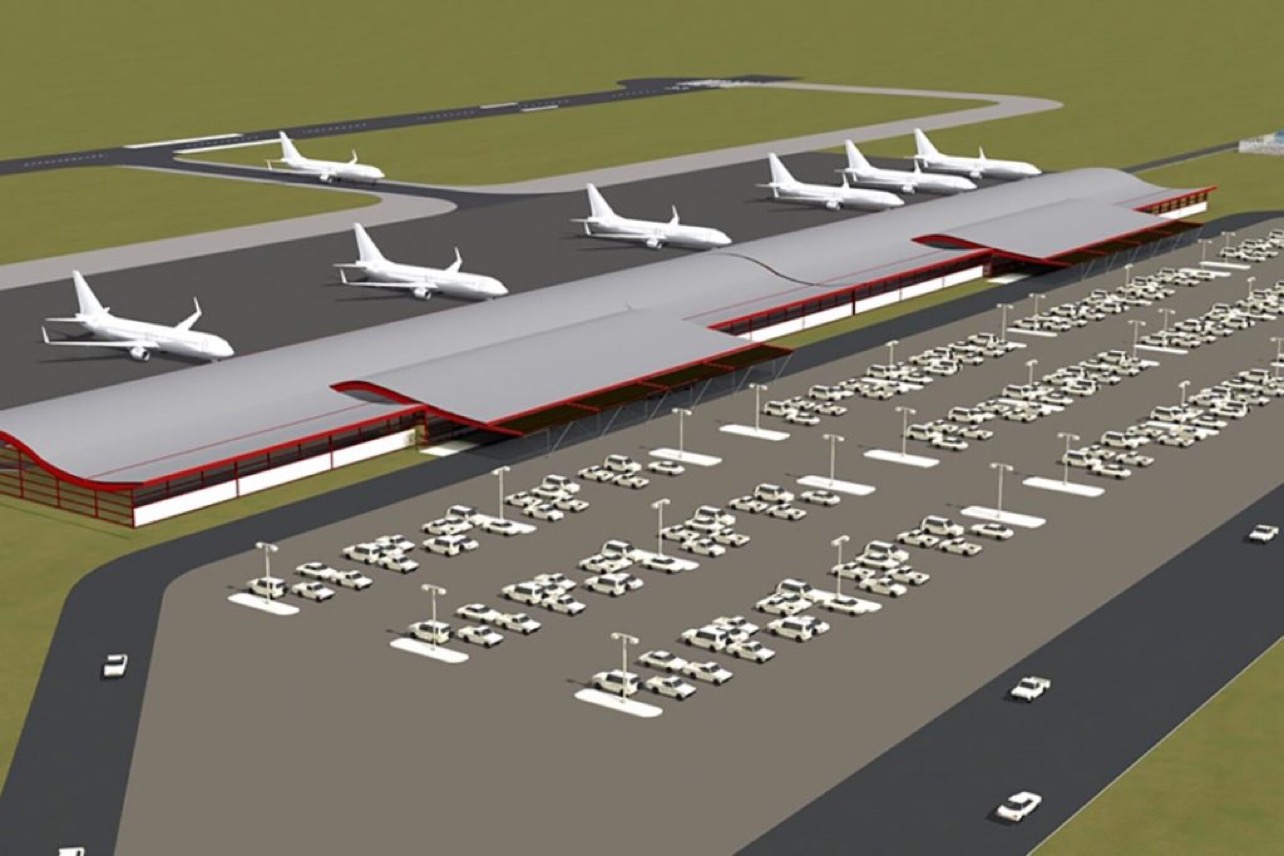

Olímpia: The Brazilian Orlando Set to Soar with New International Airport
Nestled 430 kilometers from São Paulo, Olímpia, fondly dubbed the “Brazilian Orlando” for its vibrant water parks and family-friendly attractions, is poised for a transformative leap with the construction of a new international airport. This ambitious project promises to elevate the city’s status as a premier tourist destination and a regional economic powerhouse.
Olímpia has already carved a niche as a tourism hotspot, welcoming around 3.5 million visitors annually. Its crown jewel, Thermas dos Laranjais, ranks among Latin America’s most visited water parks, complemented by attractions like Hot Beach Olímpia, the Valley of the Dinosaurs, and the recently opened Orionverse, an astronomy-themed experience. With 34,000 accommodation beds and plans to expand to 40,000 by 2027, the city is a magnet for leisure and family tourism, earning an “A” rating on Brazil’s Tourism Map in 2024 and 2025.
The new Aeroporto Internacional do Norte Paulista, slated to begin construction in 2025 and open by 2026 or 2027, is a cornerstone of Olímpia’s growth strategy. Backed by a R$500 million investment from the federal government’s Growth Acceleration Program (PAC), the airport will occupy a 200-hectare site, acquired by the city for R$19 million. Located 20 kilometers from downtown, it will be accessible via three major roads: Rodovia Assis Chateaubriand, Estrada Municipal Diógenes Breda Filho, and Vicinal Natal Breda. Managed by Infraero, the state-owned company behind airports like Congonhas and Santos Dumont, the project boasts a 2,250-meter-long and 45-meter-wide runway, enabling it to receive commercial aircraft such as the Airbus A320 and Boeing 737 models. The facility will include a passenger terminal, cargo terminal, control tower, and capacity for six planes, with an initial throughput of 1 million passengers annually.
The airport’s impact is expected to be profound. By slashing travel time from São Paulo to just one hour by air, compared to five to seven hours by road, it will make Olímpia more accessible to domestic and international tourists, particularly from South American neighbors like Argentina, Paraguay, and Chile. Local leaders project a doubling of visitor numbers in the years following the airport’s opening, spurring new hotels, resorts, and large-scale events. Beyond tourism, the airport will serve as a logistics hub, supporting the region’s agribusiness, wholesale trade, and food industries by facilitating cargo operations. The project is also anticipated to generate 5,000 jobs, boosting commerce and transport in northern São Paulo.
However, the initiative has faced scrutiny. Aviation experts, like Raul Marinho of the Brazilian Association of General Aviation, argue the runway’s size may limit operations to smaller aircraft, potentially hindering long-haul international flights. Fernando Catalano, an aerospace engineer from the University of São Paulo, suggests the “international” designation may primarily reflect customs capabilities for cargo, similar to São Carlos, rather than accommodating large passenger jets like those at Guarulhos, which has a 3,000-meter runway. Infraero has yet to finalize the budget from the Orçamento Geral da União, and technical details are still under review, but the project’s formal milestones—land deeds, CNPJ, and CEP—are secured.
Politically, the airport has sparked local rivalry, with figures like former mayor Geninho Zuliani and current mayor Fernando Cunha vying for credit. The federal budget allocated R$104 million in 2024, with an additional US$22 million secured through lobbying efforts. The project aligns with Brazil’s broader push to modernize 130 airports, enhancing regional connectivity and economic inclusion.
Olímpia’s airport could redefine the city as a global tourism contender, akin to Rio de Janeiro or Florianópolis, while strengthening its logistical role. As construction nears, the “Brazilian Orlando” is ready to take flight, promising a new era of growth and opportunity.
*Sources: Gazeta de São Paulo, CPG Click Petroleo e Gas, UOL, Games Magazine Brasil*