





A Bow of Gratitude: Hajime Moriyasu and the Quiet Power of Respect in Defeat
By Hotspotnews
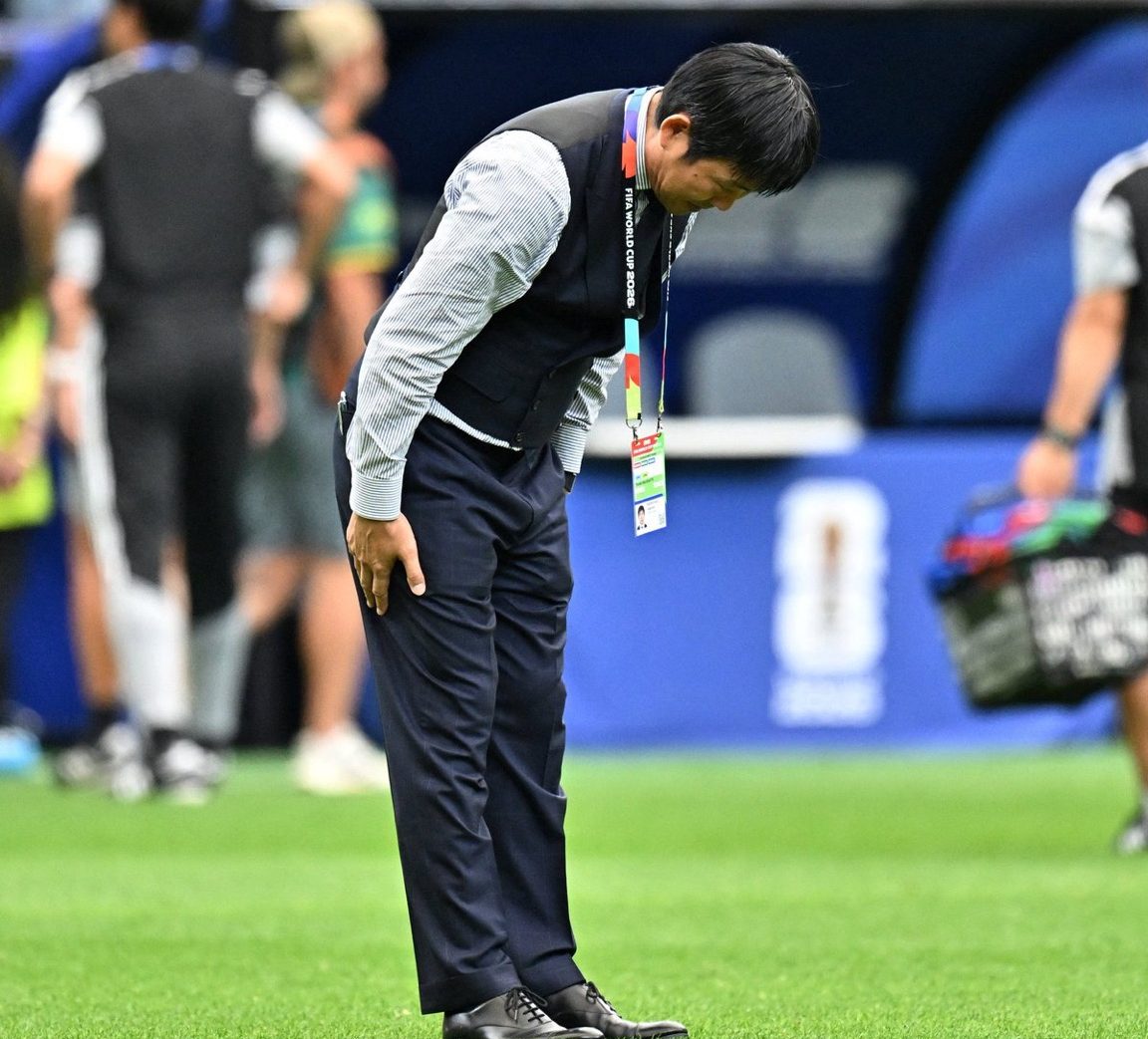
In the high-stakes drama of the FIFA World Cup, where emotions run raw and national pride hangs in the balance, moments of genuine humanity often cut through the noise. One such moment unfolded on the pitches of the 2026 tournament in the United States. Hajime Moriyasu, the head coach of Japan’s national football team, stood on the grass with tears in his eyes. He bent deeply at the waist in a traditional Japanese bow, offering heartfelt thanks to the fans who had traveled thousands of miles to support the Samurai Blue.
The image captures it perfectly: Moriyasu, dressed in a striped shirt under a dark vest bearing his credentials, stands alone on the vibrant green field. His posture is one of complete humility—head lowered, hands near his sides—as stadium lights and blurred figures in the background frame the scene. It is not the exaggerated flourish of showmanship, but a sincere ojigi, the Japanese gesture that conveys profound respect, apology, and gratitude. The caption accompanying photos of the moment called it an act of “retidão”—integrity and upright character. In defeat, Moriyasu chose grace.
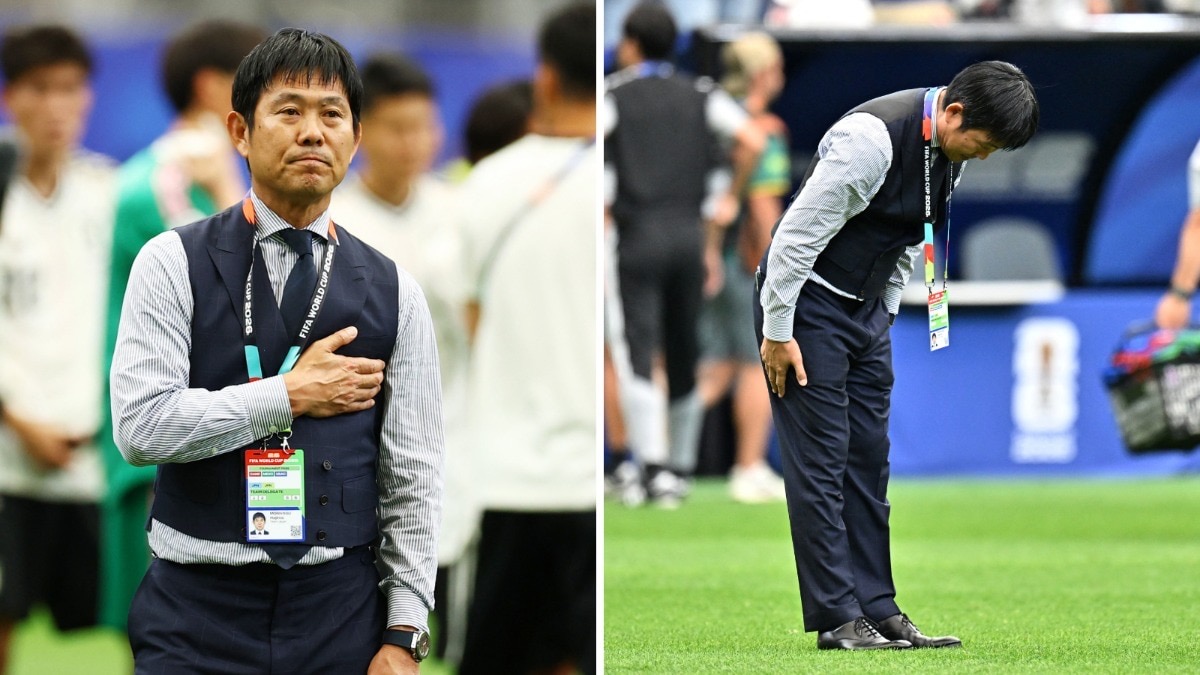

Moriyasu, now in his late 50s, has long been a steady presence in Japanese football. He took charge of the national team after the 2018 World Cup and earned praise for maintaining continuity and fostering a disciplined, tactically astute side. Throughout the 2026 tournament, he displayed a calm demeanor on the touchline, often scribbling notes or making measured adjustments rather than erupting in visible frustration. His emotional side has surfaced at poignant times, such as during the national anthem. But this post-elimination gesture felt deeper—a culmination of the tournament’s journey and a reflection of values instilled in Japanese sporting culture.
In Japan, respect is not an afterthought. Fans are renowned worldwide for leaving stadiums cleaner than they found them, picking up litter not out of obligation but as a matter of principle. Players and coaches emphasize harmony, collective responsibility, and honor. Moriyasu’s bow embodies this ethos. It says: You mattered. Your support sustained us. Even in loss, we see you. In an era where victory is often treated as the only currency and defeat as something to deflect or blame on others, this stands out as refreshingly human.
Sports at the elite level can sometimes amplify ego and entitlement. We see multimillion-dollar athletes arguing with officials, coaches berating referees, or fans turning toxic. Against that backdrop, Moriyasu’s actions remind us of sport’s higher purpose. Football is not merely about goals and trophies; it is a global stage where cultures meet and character is revealed. A deep bow after elimination carries more weight than any trophy speech. It humanizes the participants and elevates the spectators from consumers to valued partners in the experience.
This moment also highlights the emotional toll on those who lead. Coaching a national team means carrying the hopes of millions. Moriyasu’s tears revealed the weight he bore—the pressure to deliver, the bond with his players, and the personal investment in every outcome. By sharing that vulnerability openly, he modeled strength through humility. True leadership, the gesture suggests, includes accountability and appreciation in equal measure.
In a divided and often cynical world, stories like this restore faith in shared humanity. They transcend borders and languages. Japanese fans in the stands, Brazilian opponents, and neutral observers worldwide recognized the beauty in that bow. It sparked reflections on sportsmanship that lingered longer than the final whistle. Social media filled with admiration, not just for the result on the scoreboard, but for the dignity displayed afterward.
As the 2026 World Cup moves forward without Japan, Moriyasu’s legacy from this tournament may well be defined less by match statistics and more by this single, wordless act. In bowing low, he stood tall. He reminded everyone watching that competition at its best reveals our better angels: resilience in effort, grace in defeat, and profound gratitude for those who walk the journey with us.
In the end, victories fade from memory, but gestures of genuine respect endure. Hajime Moriyasu’s bow was more than a photo opportunity—it was a quiet masterclass in what it means to compete with heart and leave the field with honor intact.


