





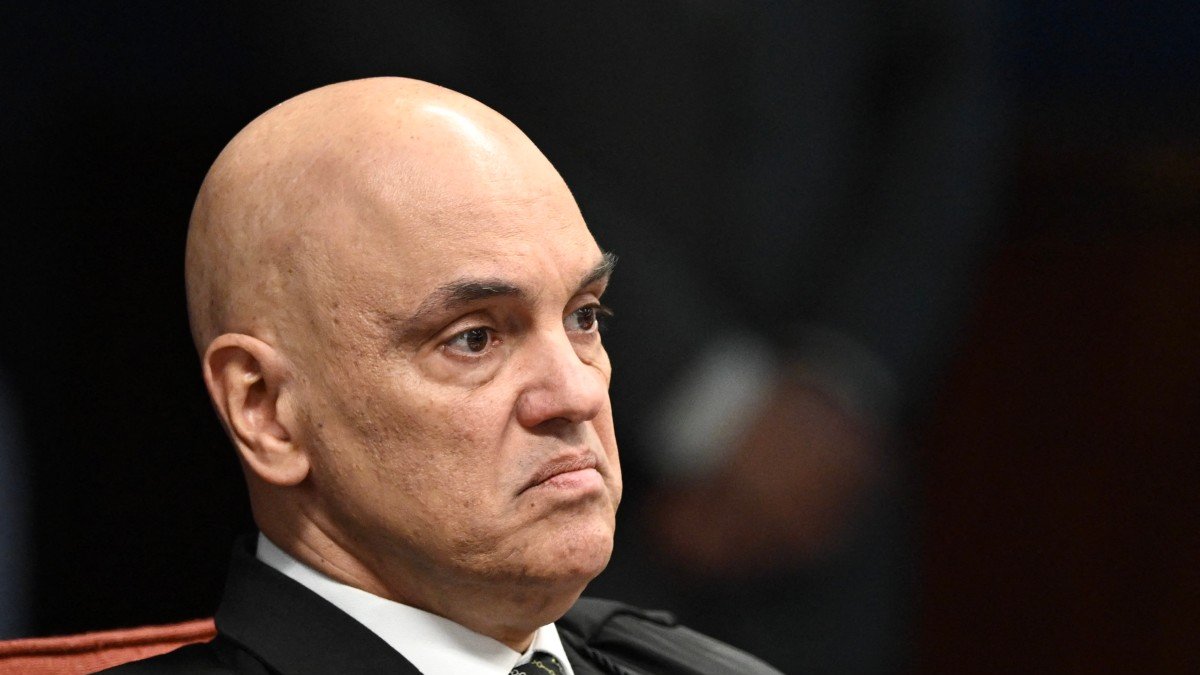
Brazil’s Judicial Elite: When the Guardians of Justice Become the Accused
By Hotspotnews
In any healthy democracy, the judiciary stands as the impartial arbiter of the rule of law—a bulwark against corruption, favoritism, and the abuse of power. Yet in Brazil, a disturbing pattern has emerged where unelected Supreme Court ministers, wielding extraordinary authority, appear increasingly insulated from the very standards they impose on ordinary citizens and opponents.
The ongoing Federal Police investigation into Supreme Court Justice Alexandre de Moraes and his alleged receipt of luxury properties from jailed banker Daniel Vorcaro, founder of the scandal-plagued Banco Master, exemplifies what is happening
This case is not merely about one judge or one banker. It strikes at the heart of a system where personal connections, lavish payments, and influence peddling flourish under the cloak of judicial independence. While hardworking Brazilians face rigorous tax audits, regulatory hurdles, and swift enforcement for minor infractions, powerful figures in Brasília navigate a world of multimillion-dollar contracts, exclusive perks, and apparent impunity. Conservatives have long warned of this erosion: a politicized judiciary that selectively targets dissenters while shielding its own.
The Banco Master Web: Payments, Properties, and Questions of Integrity
At the center of the scandal lies Daniel Vorcaro, whose Banco Master collapsed amid allegations of massive fraud, fake credit operations, and a web of influence reaching the highest echelons of Brazilian society. Federal Police probes have uncovered substantial payments from the bank to the law firm run by Moraes’ wife, Viviane Barci de Moraes. Reports detail a three-year contract worth approximately R$129 million—around R$3.6 million per month—for broad legal representation, including before regulatory bodies. Two of the couple’s children also reportedly work at the firm, raising immediate red flags about family enrichment tied to a bank under scrutiny.
Even more damning are the whispers—and now formal investigations—into whether Vorcaro funneled luxury real estate to Moraes himself. Messages and records seized from Vorcaro’s devices have prompted Federal Police to examine potential transfers of high-end properties, amid a broader pattern of the banker distributing assets, favors, and access to Brazil’s elite. This comes as Vorcaro’s plea deal attempts continue, with authorities demanding fuller disclosure of others involved.
From a conservative viewpoint, this is textbook elite capture. Ordinary Brazilians scraping by under high taxes and inflation cannot dream of such arrangements. Yet here, a Supreme Court justice—known for aggressive rulings on censorship, politics and investigations—finds his family’s finances intertwined with a fraud suspect. The optics alone devastate public trust. If these allegations hold, they reveal not isolated lapses but a culture where justice is for sale or traded among insiders.
Politicized Justice and Selective Enforcement
Moraes has become a polarizing figure, often praised by the left for decisive actions against perceived threats to democracy, particularly in cases involving former President Jair Bolsonaro and conservative voices. Yet the Banco Master revelations expose the double standard. While Moraes and allies pursue expansive interpretations of judicial power—including content moderation on social media and inquiries into opponents—the same rigor evaporates when scrutiny turns inward.
Critics rightly ask: Why do powerful judges and their families receive outsized contracts from entities under investigation? Why the hesitation in applying recusal standards or independent probes? This selective enforcement breeds cynicism. When institutions prioritize protecting their own over equal application of the law, they cease to be guardians and become participants in the very corruption they claim to combat. Public trust plummets as Brazilians witness elites operating above the rules enforced on everyone else.
The scandal extends beyond one justice, touching other STF members and politicians across the spectrum. But the concentration of power in unelected hands amplifies the damage. Brazil’s Supreme Court, with lifetime appointments and broad authority, was designed for independence—not insulation from accountability.
Possible Consequences: A Reckoning or Further Entrenchment?
The ramifications of this investigation could ripple across Brazil’s institutions and politics for years. If evidence substantiates the luxury property transfers and improper payments, consequences might include:
- Formal ethics probes or impeachment proceedings against implicated justices, though Brazil’s history shows such efforts often stall amid congressional inertia or judicial self-protection.
- Broader reforms, such as mandatory asset disclosures for judges and families, stricter recusal rules for conflicts involving spousal or familial business ties, and limits on judicial overreach into legislative or executive domains.
- Erosion of institutional legitimacy, fueling public demands for constitutional changes to curb STF power—perhaps through congressional oversight, term limits, or expanded impeachment grounds. Conservatives argue this is essential to restore balance among branches.
- Politikal fallout, amplifying calls for transparency ahead of elections. Voters disillusioned by elite scandals may gravitate toward candidates promising accountability, anti-corruption drives, and judicial restraint.
- Economic ripple effects, as investor confidence wanes in a system perceived as rigged. Foreign and domestic capital already wary of regulatory unpredictability could further hesitate, exacerbating Brazil’s challenges with growth and stability.
In the worst case, without meaningful action, the scandal entrenches a perception of impunity, deepening polarization. Brazilians grow more skeptical of institutions, viewing the judiciary not as a neutral referee but as an activist player aligned with certain politikal factions.
Time for Transparency and Reform
This episode underscores a core conservative principle: power without accountability corrupts. Brazil’s judiciary must not operate as an aristocracy of the robe, where connections trump conduct. Greater transparency—public financial declarations, independent ethics boards with real teeth, and robust recusal protocols—is not radical; it is foundational to republican government.
Ordinary citizens deserve a system where justice is blind, not selectively sighted toward the influential. As the Federal Police dig deeper into the Moraes-Vorcaro ties, the nation watches. True reform would reaffirm that no one—especially those entrusted with upholding the law—is above it. Without it, public faith in Brazil’s democratic institutions will continue its troubling decline, leaving the field open to further cynicism and division. The rule of law demands better.


