



A Political Appointment Meets a Sanctioned Regime—in the Middle of a War
By Hotspotnews
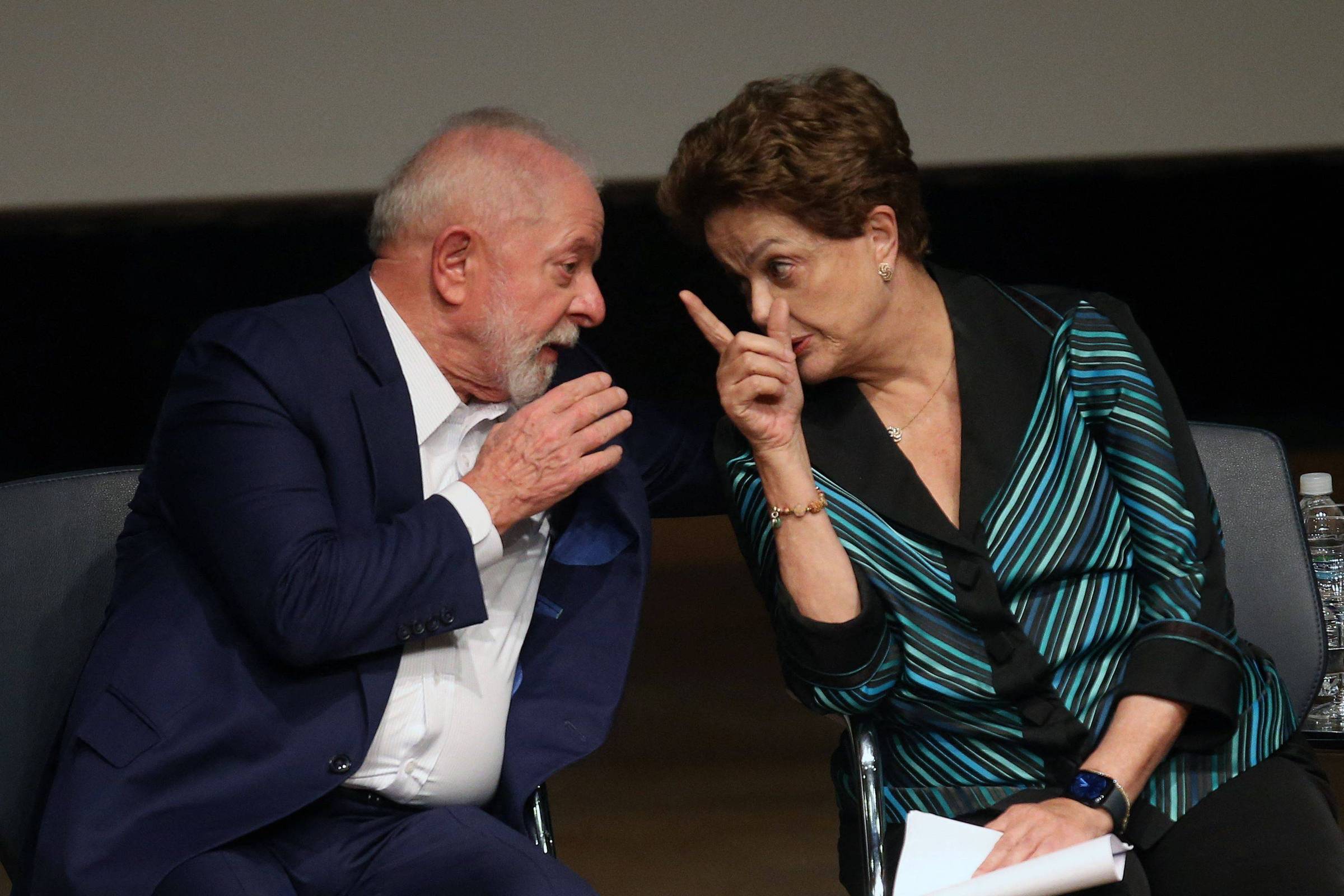
On the sidelines of a recent BRICS gathering, Dilma Rousseff sat down with Iran’s central bank governor. As president of the New Development Bank, the former Brazilian leader told her Iranian counterpart that Tehran holds “real potential” for regional and international cooperation. Both sides agreed to continue discussions about Iran joining the bank and gaining access to its financial facilities.
This is no ordinary diplomatic courtesy. It is happening in the middle of a fierce, still-unresolved confrontation between the United States and Iran. Major U.S.-Israeli strikes began in late February 2026. A fragile June memorandum of understanding aimed at ending hostilities and reopening the Strait of Hormuz has repeatedly broken down into tit-for-tat strikes, Iranian actions affecting shipping, U.S. responses, and attacks on Gulf bases hosting American forces. Core disputes over Iran’s nuclear program, sanctions, and the strait remain open. No durable peace deal exists. Sanctions stay sweeping. Against that backdrop, a Brazilian-led multilateral bank is advancing membership and funding talks with Tehran.
The timing sharpens the contradiction. Iran is under heavy pressure and still seeking ways around isolation. Access to the New Development Bank would offer an alternative channel for development financing and reduced reliance on dollar-based systems. From Tehran’s perspective, that is rational self-help. From the standpoint of those applying pressure, it looks like providing a financial and legitimacy off-ramp while the confrontation is far from settled.
Rousseff’s own record in Brazil remains instructive. As president, she oversaw an economy that slid into deep recession, rising debt, and fiscal gimmicks that ultimately led to her impeachment. Critics at the time pointed to accounting maneuvers that masked the true state of public finances. After her removal, Brazil spent years recovering. Yet under President Lula da Silva she was installed at the helm of the New Development Bank—the development lender created by the original BRICS nations—and later re-elected. The appointment looked less like a merit-based selection and more like a reward for political loyalty.
Now that same figure is the public face of BRICS development finance, sitting across the table from Iranian officials while U.S. and Iranian forces remain in intermittent conflict. The New Development Bank was originally presented as a pragmatic vehicle for infrastructure lending among emerging economies. Under its current leadership and with expanding membership that already includes several countries with strained relations with the West, it is increasingly positioned as a parallel system. Discussions about bringing Iran into that system during active hostilities raise straightforward questions: What standards of transparency and governance will apply? How will the bank handle the risk of funds flowing to a regime still engaged in confrontation with the United States and its allies? And why should a former president whose domestic economic stewardship ended in impeachment be the person steering these conversations at this moment?
Supporters will call the meeting normal diplomacy among Global South partners and note that Iran joined BRICS in 2024. Those points are accurate. They do not erase the larger pattern or the timing. When institutions designed to finance development become venues for sanctioned states to gain legitimacy and resources while a conflict is still hot, the practical effect is to dilute the impact of sanctions and reward a regime testing the limits of international pressure.
Rousseff’s presence at the table crystallizes the contradiction. Brazil’s voters and institutions once judged her economic management severe enough to remove her from the presidency. Today she represents BRICS financial architecture in talks with Iranian officials about membership and funding—while missiles, drones, naval actions, and stalled diplomacy continue between Washington and Tehran. Political loyalty appears to have outweighed performance. The beneficiaries of that judgment now include a government still locked in confrontation with the United States.
Conservative observers have long warned that multipolar institutions can become vehicles for authoritarian and revisionist states if Western governments treat them with indifference. The Rousseff-Iran meeting, conducted in the middle of this unresolved conflict, is a small but revealing data point. It is not alarmism to note that the woman who left Brazil’s public finances in disarray is now discussing credit facilities with the central banker of a sanctioned regime under fire. It is simply paying attention to both the personnel and the timing.


