

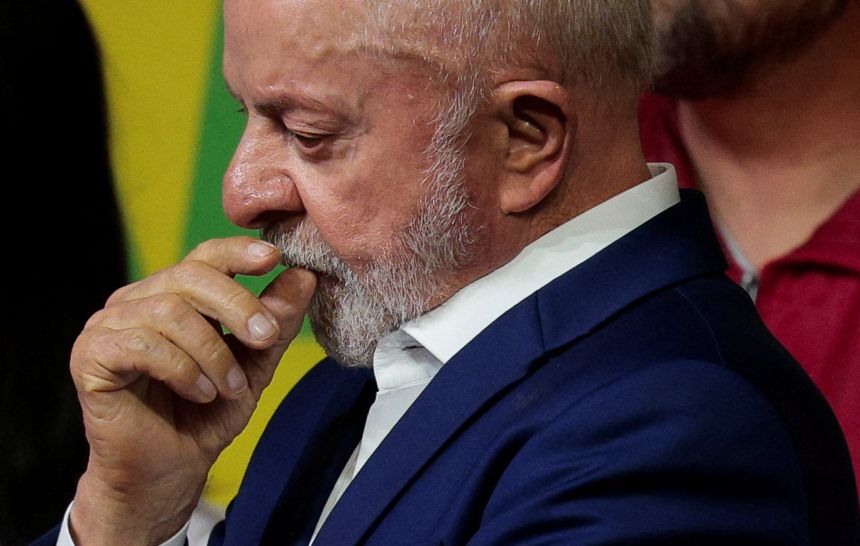
The Shameless Brazilian Administration
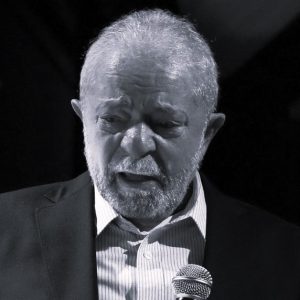
Brazil’s current administration under President Luiz Inácio Lula da Silva has once again demonstrated a pattern of governing by short-term political calculation rather than long-term national interest. Fresh from a questionable “re-election”, the government has already shown that the habits of the past—fiscal looseness, tolerance of influence networks, and a preference for narrative over accountability—have not been abandoned.
The country’s public finances remain in a precarious state. Debt has climbed past levels that once alarmed markets, mandatory spending continues to expand, and interest rates stay punishingly high. Instead of confronting the structural drivers of this deterioration, the administration has leaned on expanded social transfers timed for electoral effect and revenue measures that leave the underlying growth of obligatory outlays largely untouched. When modest spending restraints are finally proposed, they are immediately attacked from within the president’s own party as a betrayal of campaign promises. The result is a government that campaigns on expanded rights and then pretends surprise when the arithmetic no longer adds up.
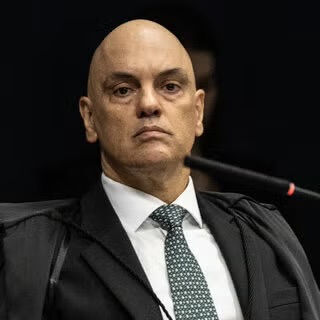
Corruption and influence-peddling have not vanished; they have simply changed form. The large-scale schemes of earlier Workers’ Party governments left a lasting stain, and the present term has produced its own set of uncomfortable associations. Close aides have been linked to payments from individuals with access to the president’s family. A major banking fraud has drawn in figures across the institutional landscape, including members of the Supreme Court whose appointments and subsequent conduct have repeatedly raised questions of proximity to power. The administration’s response has been largely defensive, treating such episodes as isolated or as the work of political enemies rather than symptoms of weak controls and selective oversight.
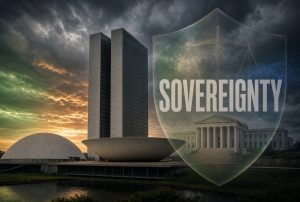
Institutional credibility has suffered in parallel. Decisions that alter electoral procedures, judicial appointments guided more by personal trust than by independent criteria, and the continued concentration of budget power in Congress have all contributed to a sense that rules are elastic for those who hold the right connections. Public security statistics remain grim, with police lethality at elevated levels, while environmental gains in the Amazon have been uneven and insufficient to offset other drivers of deforestation. Abroad, the government projects itself as a defender of democracy and multilateralism while at home the practical business of governing continues to involve the familiar bargains with centrist blocs and the management of damaging headlines.
None of this is new. What is striking is the absence of any evident break with the pattern. An administration that once promised a clean break from the practices of the past has, in its successive terms, normalized the very behaviors it once condemned. Brazilians are left with high debt, persistent distrust in institutions, and a political class that treats the public purse and public institutions as instruments of its own continuity. That is not governance. It is the predictable outcome of a political project that has long regarded restraint and accountability as optional.
if you read this and gets shocked, how can you explain the election results? HOW CAN YOU BELIEVE THAT THE PEOPLE VOTED FOR THIS?
TIME FOR THE WORLD AND BRAZIL TO SHOW THE TRUTH.
Sources
- Reuters coverage of post-election fiscal measures and debt levels.
- Human Rights Watch reports on public security and mixed human-rights record.
- Reporting on the Banco Master scandal and related institutional ties.
- Analyses of the 2026 election process and congressional dynamics.
#Brazil #Lula #PT #BrazilianPolitics #FiscalCrisis #Corruption #GovernmentAccountability #LulaAdministration