




COP 31: The Truth lula insists in hiding and some ignore By Hotspotnews
COP 31: The Truth Lula Insists on Hiding and Some Ignore
Brazil’s climate leadership is largely theatrical. Folha’s headline—“oil exploration aside, Brazil celebrates Lula’s protagonism at COP31”—perfectly captures the framing: treat the core contradictions as minor footnotes while elevating the president as a global green hero.
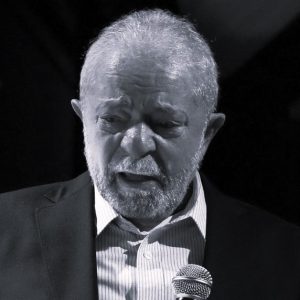
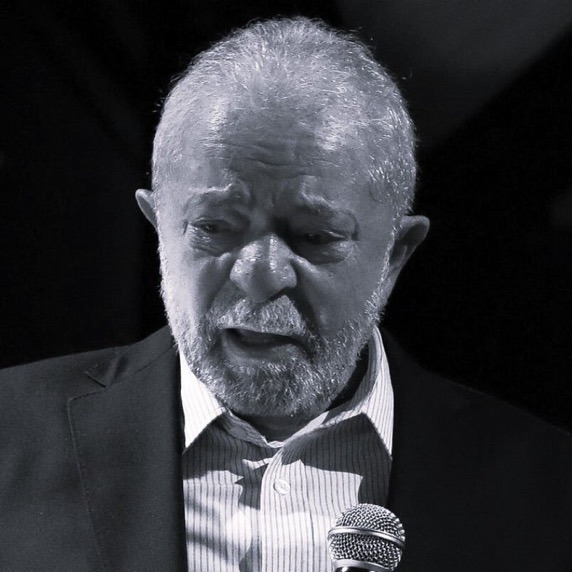
Lula is receiving pop-star treatment from activists in Antalya largely by default. The United States and much of the Global North are absent or disengaged, so a developing-country leader who delivers fluent multilateral rhetoric and can point to sharp drops in Amazon deforestation fills the vacuum. Officials and some European diplomats amplify this, citing record-low clearing rates and high expectations for a fourth term. The article itself notes he is hoarse, skipping interviews, and that Brazilian diplomats are carefully managing the message.
“The deforestation numbers are real” and measurable. Amazon deforestation fell roughly 71 percent and Cerrado clearing about 48 percent relative to 2022 levels; the most recent Amazon cycle reached its lowest point since the late 1990s. Brazilian officials repeatedly cite these gains as proof of leadership.
The oil reality undercuts the performance. The same government pushing “roadmaps” for a global fossil-fuel phase-out and zero deforestation continues expanding exploration in the Equatorial Margin, including near the Amazon mouth. Lula has repeatedly called these finds a “passport to the future.” Environment Minister João Paulo Capobianco and other officials denied any contradiction when questioned at COP31, stating that oil is a strategic resource Brazil will not forgo because demand still exists, while pointing to the country’s mostly renewable electricity mix and biofuels. On the sidelines, Brazilian officials met Venezuela’s leadership to discuss expanded oil-sector investments; Venezuela asserted its sovereign right to produce oil.
Infrastructure adds another layer. The government has advanced paving of the BR-319 highway linking Manaus to Porto Velho through a largely intact stretch of Amazon forest. Scientists and environmental groups warn that full paving will open the classic “fishbone” pattern of illegal side roads, land grabbing, logging, and ranching, with modeling projecting substantially higher long-term deforestation in the region. The administration created some sustainable-use reserves nearby as mitigation and has cited stronger enforcement, but the project proceeds without full environmental licensing under a legal exemption, and critics note that the mere announcement of roadworks has previously driven spikes in clearing. Lula has publicly supported moving the paving forward.
The proposed Ferrogrão railway, intended to carry grain from northern Mato Grosso to ports on the Tapajós, faces similar objections. Independent studies estimate it could trigger significant additional forest loss by lowering transport costs and making soy expansion viable over a wider area; the route affects Indigenous lands and protected areas. The government has pursued the project despite legal challenges over consultation and park boundaries, framing it as necessary for agricultural logistics.
This dual track is not new. Prior to and during COP30 in Belém, strong forest-protection results were paired with licensing for new offshore oil exploration and continued pressure for these infrastructure works. Greenpeace and other NGOs have called the combination of transition rhetoric and both oil licensing and road/rail expansion inconsistent. The revenue, connectivity, and energy-security arguments are straightforward for a middle-income country; the global phase-out and zero-deforestation language is largely for the stage. Developing nations with large reserves and agricultural exports routinely make this calculation. What stands out is the selective media celebration of the current deforestation declines while the hydrocarbon expansion and the infrastructure projects that risk reversing those gains are treated as secondary.
Conservative observers see a familiar pattern: climate summits function as political theater in which leaders who control forests and talk about equity receive applause, while actual energy production and the infrastructure that enables commodity expansion continue wherever geology, economics, and politics allow. Folha reports pieces of the oil and deforestation record but subordinates the contradictions to the narrative of Brazilian leadership. The recent deforestation gains are real and measurable. The claim that Brazil is leading a credible global transition away from fossil fuels and toward lasting forest protection—while expanding oil exploration, partnering on others’, and advancing major Amazon road and rail projects that scientists link to future clearing—is not.
#COP31 #Lula #Brazil #ClimateHypocrisy #OilExploration #BR319 #Ferrogrão #Folha #EnergyRealism #Amazon #FossilFuels #MediaBias
COP31 context and speech contradictions
- Agência Lupa fact-check, 11 November 2026: Labels portions of Lula’s COP31 remarks on fossil-fuel transition as “contraditório” specifically because of continued support for Equatorial Margin exploration.
- CNN Brasil, O Globo, Poder360, and Folha itself (11–12 November 2026): Coverage of Lula’s opening speech, the hoarseness that led to a minister reading parts of it, the emphasis on COP30 roadmaps (finance, fossil-fuel transition, zero deforestation), and the relative prominence created by absences of other major leaders.
Prior pattern (COP30 and exploration approvals)
- France 24, Mongabay, Dialogue Earth, and Brazilian reporting from late 2025: Documented the same dual track—forest-protection gains and COP30 presidency rhetoric alongside Ibama licensing for exploratory drilling near the Amazon mouth and political pressure to advance Equatorial Margin projects.
- Folha and other outlets (2025): Earlier coverage of oil-industry presence at COP30 and the tensions between Brazil’s international phase-out language and domestic production plans.
These are the contemporaneous primary and secondary reports that underpin the dual-track description (measurable deforestation reduction + ongoing and expanding oil exploration).


