






A Strong Signal of Reciprocity: Why Jason Miller Is Right About Rubio’s Move
By Hotspotnews
Jason Miller’s recent assessment of Secretary of State Marco Rubio’s decision to revoke the Brazilian ambassador’s visa as a “STRONG move” captures exactly the kind of clear-eyed diplomacy America needs. In an era when too many foreign governments treat U.S. goodwill as a one-way street, Miller correctly recognizes that reciprocity is not optional—it is the foundation of serious statecraft.
The facts are straightforward. Brazil spent weeks withholding formal approval for President Trump’s nominee to serve as U.S. ambassador, Florida Republican Daniel Perez. At the same time, Brasília denied visas to American State Department officials. These were not minor bureaucratic delays. They were deliberate choices that left the United States without proper representation while Brazilian diplomats continued to enjoy full access in Washington. Rubio’s measured response—revoking the Brazilian ambassador’s visa while making clear it can be restored the moment Brazil acts—simply applied the same standard. Miller is right to call this strength rather than provocation.
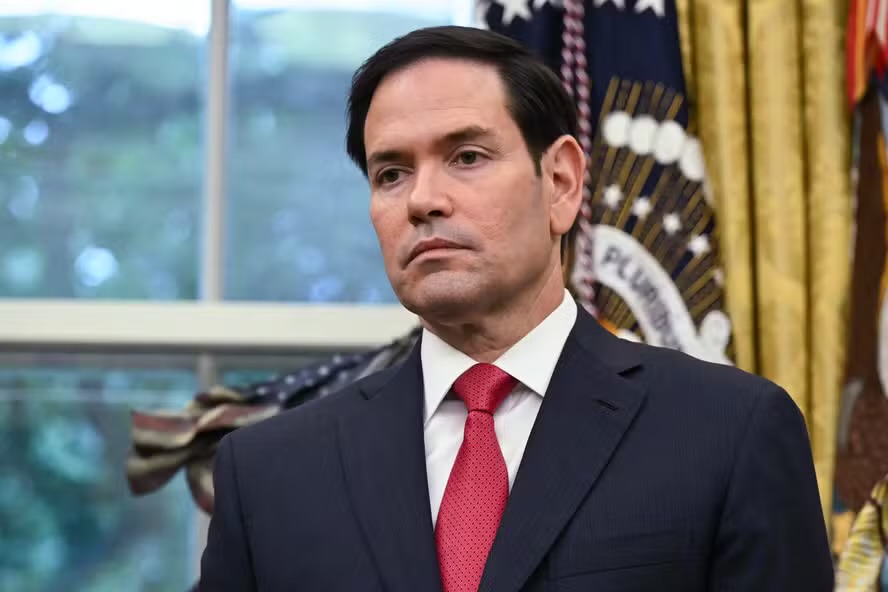

Miller’s endorsement also reflects a broader conservative understanding of the relationship with Lula da Silva’s government. That administration has repeatedly demonstrated an ideological tilt that treats American personnel and nominees as leverage points rather than partners. Pretending otherwise in the name of “preserving the bilateral relationship” only rewards bad faith. A serious foreign policy prioritizes American interests and the principle of mutual respect over process for its own sake. By praising Rubio’s decision, Miller affirms that principle.
The practical effect is healthy. The visa can be restored immediately upon Brazilian approval of Perez. The door remains open. What has changed is the incentive structure. Delay now carries a cost. That is how mature nations conduct business. Soft approaches that tolerate prolonged obstruction rarely produce better outcomes; they usually produce more obstruction.
Jason Miller has spent years observing how strength and clarity serve American interests better than ambiguity. His judgment on this episode is sound. Reciprocity is not hostility. It is the minimum requirement for any relationship worth maintaining. Rubio’s decision, and Miller’s recognition of its value, represent a welcome return to that standard.


