
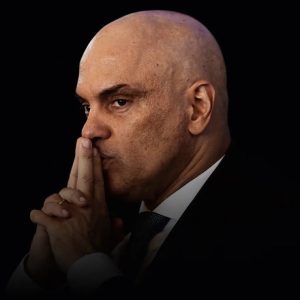


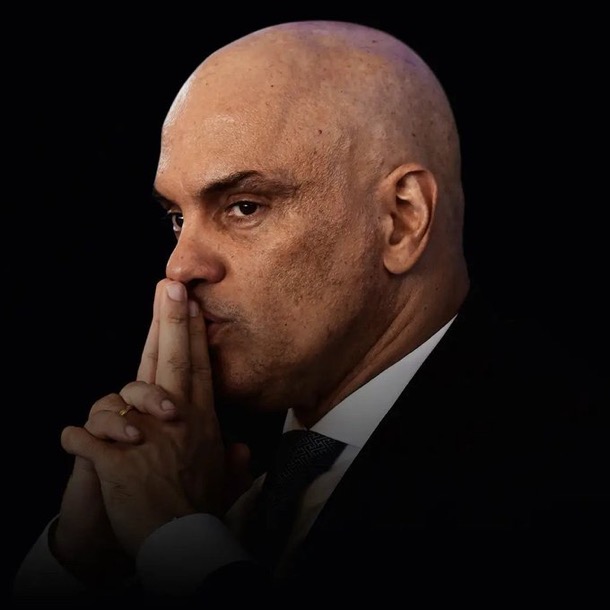
Alexandre de Moraes did not become Brazil’s most hated judge by accident. He built the role.
By Hotspotnews
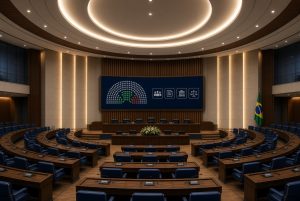
Since 2019 he has sat at the center of the Supreme Federal Court’s “fake news” inquiry, a case the Court opened on its own and handed to him without the normal random draw. In that file he has functioned, at once, as investigator, prosecutor, and judge in matters that often concern criticism of the Court itself. Two prosecutors-general asked for the inquiry to be closed. It was not. Major Brazilian papers that once treated it as an emergency measure later called it an instrument of personal power. In September 2026, only after a banking scandal touched the Court, the STF president finally took the inquiry away from him. The criminal cases, the digital-militias docket, and the January 8 files stayed in his hands.
The method is secrecy plus volume. A New York Times review of the fraction of his orders that were released found at least 340 accounts blocked since 2020. For more than half, the reason was under seal. Congressmen, journalists, and businessmen have been silenced with little public explanation and little practical appeal. Orders have demanded global takedowns, not merely blocks inside Brazil. The U.S. House Judiciary Committee has documented Brazilian demands that reached accounts and speech of people living in the United States. That is not domestic law enforcement. It is a foreign court trying to set the rules of American debate.
The X ban made the pattern impossible to ignore. When the platform refused to keep enforcing his lists and shut its Brazilian office, Moraes ordered the site blocked nationwide from late August to early October 2024, froze Starlink assets, and threatened heavy daily fines for anyone who used a VPN. Elon Musk called him an unelected pseudo-judge. Moraes called Musk an outlaw confusing free speech with aggression. Musk eventually paid and complied. The precedent remained: one justice can darken a major platform for an entire country.
Defenders say he saved democracy from election lies and the January 8 riot. Emergency powers are easy to claim and hard to retire. Seven years on, the same justice was still issuing sealed orders against political opponents, including Brazilians abroad, while the Court he sits on resisted giving the extraordinary tools back. That is why, on the Brazilian right and among free-speech critics outside the country, Moraes is not a side character. He is the case.
SOURCES:
• Inquiry 4781 (Fake News Inquiry), opened by the STF in March 2019 and assigned to Moraes without a random draw; later criticized for letting him act as investigator, prosecutor, and judge. Wikipedia summary and the September 2026 BBC Brasil account of Fachin removing him as rapporteur: https://en.wikipedia.org/wiki/Inquiry_4781 and https://www.bbc.com/portuguese/articles/c74k1gkl14eo
• New York Times review finding at least 340 accounts ordered blocked since 2020, with reasons under seal in more than half the cases: https://www.nytimes.com/2024/10/16/world/americas/brazil-supreme-court-expanded-powers-democracy.html
• Wall Street Journal on the scale of arrests, account blocks, and the single-justice model: https://www.wsj.com/world/americas/musks-latest-nemesis-a-brazilian-judge-risking-overreach-in-hate-speech-fight-dd6284b1
• X ban, 30 August–8 October 2024, including the Starlink freeze and VPN fines: https://en.wikipedia.org/wiki/Blocking_of_X_in_Brazil
• U.S. House Judiciary Committee staff report on Brazilian global takedown orders reaching U.S. speech (Monark and others cited): https://judiciary.house.gov/sites/evo-subsites/republicans-judiciary.house.gov/files/evo-media-document/brazil-part-iii-report-final.pdf
• Estado de S. Paulo editorial “Sete anos de exceção” (December 2025), noted in the Inquiry 4781 record, calling the inquiry an instrument of personal power.
#AlexandreDeMoraes #STF #Censura #LiberdadeDeExpressao #InqueritoDasFakeNews #Brazil #FreeSpeech #XBrasil #Lawfare #8deJaneiro


