




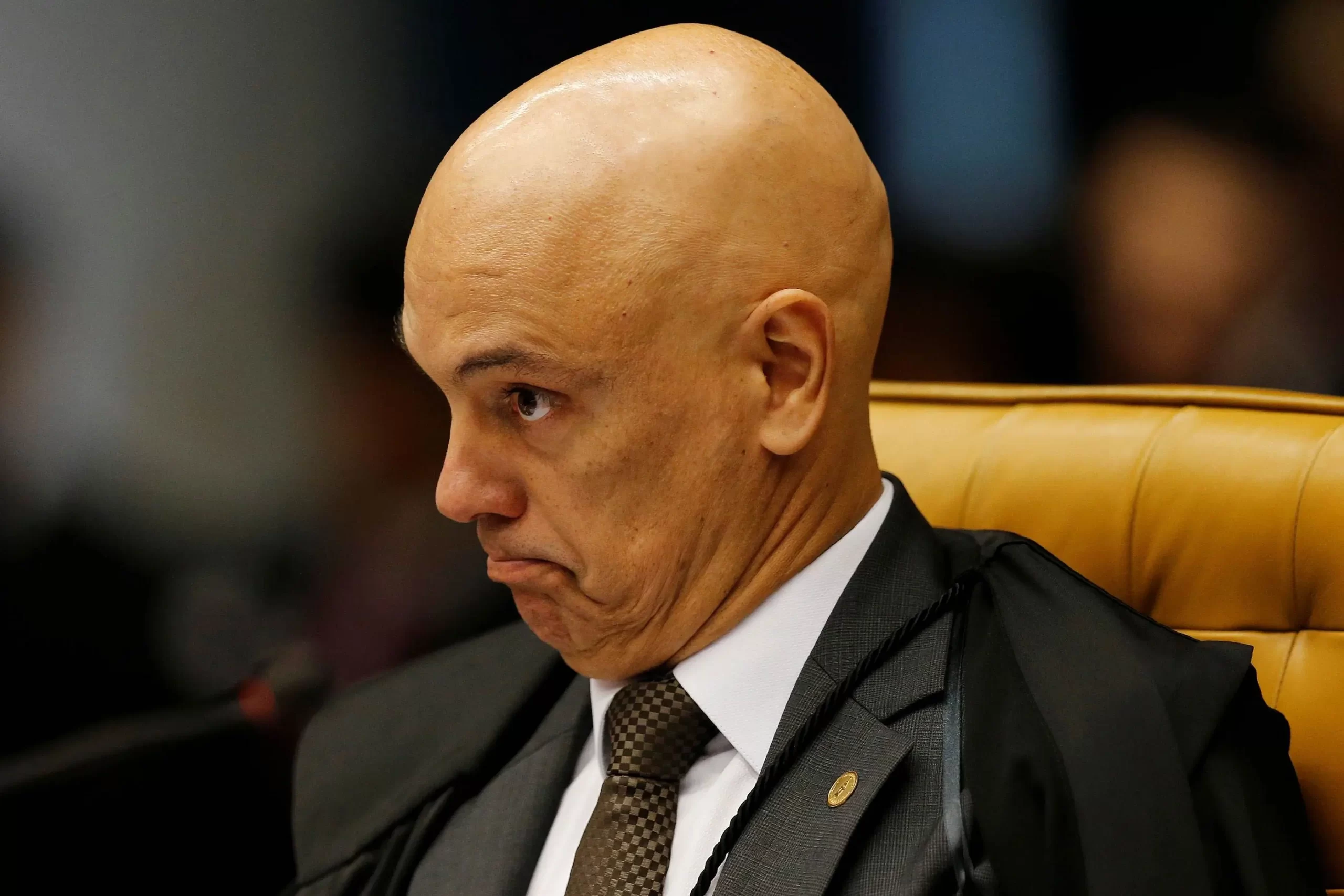
Alexandre de Moraes’ Review of COAF Suspensions: A Much-Needed Check on Judicial Overreach
In a development that conservative observers are hailing as a potential victory for due process and limited government, Supreme Court Justice Alexandre de Moraes has announced a review of the suspension of legal processes that rely on reports from Brazil’s Financial Activities Control Council (COAF). This move comes in response to an alert from Member of Parliament (MP) Luiz Philippe de Orleans-Bragança, who raised concerns about the blanket halting of investigations and prosecutions based on COAF intelligence. As Brazil grapples with ongoing political tensions and allegations of institutional bias, this review underscores the importance of safeguarding individual rights against what many see as an overzealous judiciary.
For those unfamiliar, COAF serves as Brazil’s financial intelligence unit, tasked with monitoring suspicious transactions to combat money laundering and corruption. It’s a vital tool in the fight against crime, and conservatives have long supported robust mechanisms to root out graft—especially when it implicates the entrenched political elite. However, the recent suspension of processes dependent on COAF reports, ordered amid broader debates over data privacy and judicial authority, has sparked alarm. Critics, including MP de Orleans-Bragança, argue that this decision effectively paralyzes anti-corruption efforts, allowing potentially guilty parties to evade scrutiny under the guise of procedural protections. It’s a classic case of the cure being worse than the disease: in trying to protect privacy, the courts risk shielding criminals.
From a conservative perspective, this situation exemplifies the dangers of unchecked judicial power in a democracy. Brazil’s Supreme Federal Court (STF), under figures like de Moraes, has faced accusations of overstepping its bounds, from censoring social media to intervening in legislative matters. Remember the 2023 controversies surrounding the STF’s handling of misinformation cases and the temporary suspension of platforms like X (formerly Twitter)? These actions, while framed as defenses of democracy, have often been viewed by conservatives as authoritarian tactics that stifle free speech and political dissent. The COAF suspension fits this pattern: by halting processes without individualized review, the court isn’t just slowing justice—it’s potentially enabling a culture of impunity that erodes public trust in institutions.
MP de Orleans-Bragança’s intervention is commendable and aligns with conservative principles of accountability and constitutional fidelity. As a vocal defender of traditional values and limited government, the MP has consistently pushed back against what he calls “judicial activism run amok.” His alert prompted de Moraes to reconsider the suspensions, signaling that elected representatives can still influence the judiciary—a reminder that separation of powers isn’t just a theory but a bulwark against tyranny. Conservatives should applaud this: it’s a step toward ensuring that financial oversight tools like COAF are used judiciously, targeting real threats without becoming blunt instruments of political vendettas.
Of course, de Moraes’ review isn’t a panacea. The justice, known for his hardline stance on issues like election integrity and public security, has a track record that raises eyebrows among those who prioritize individual liberties. Will this review lead to a full restoration of COAF-dependent processes, or will it devolve into more bureaucratic delays? Skeptics might worry it’s mere window dressing to appease critics without addressing root causes, such as the STF’s perceived alignment with leftist agendas. Yet, even a partial correction is progress in a system where conservative voices have often been marginalized.
Ultimately, this episode reinforces a timeless conservative truth: true justice demands balance. Brazil’s fight against corruption must continue vigorously, but not at the expense of due process or the rule of law. By reviewing these suspensions, de Moraes has an opportunity to restore faith in the system and prove that the judiciary can serve the people rather than rule over them. Conservatives will be watching closely, ready to support reforms that strengthen transparency, protect privacy where warranted, and ensure that no one—high or low—is above the law. In these turbulent times, such vigilance is not just prudent; it’s essential for preserving the republic.


