

America First, Practiced With Allies Who Still Act Like Allies
By Hotspotnews
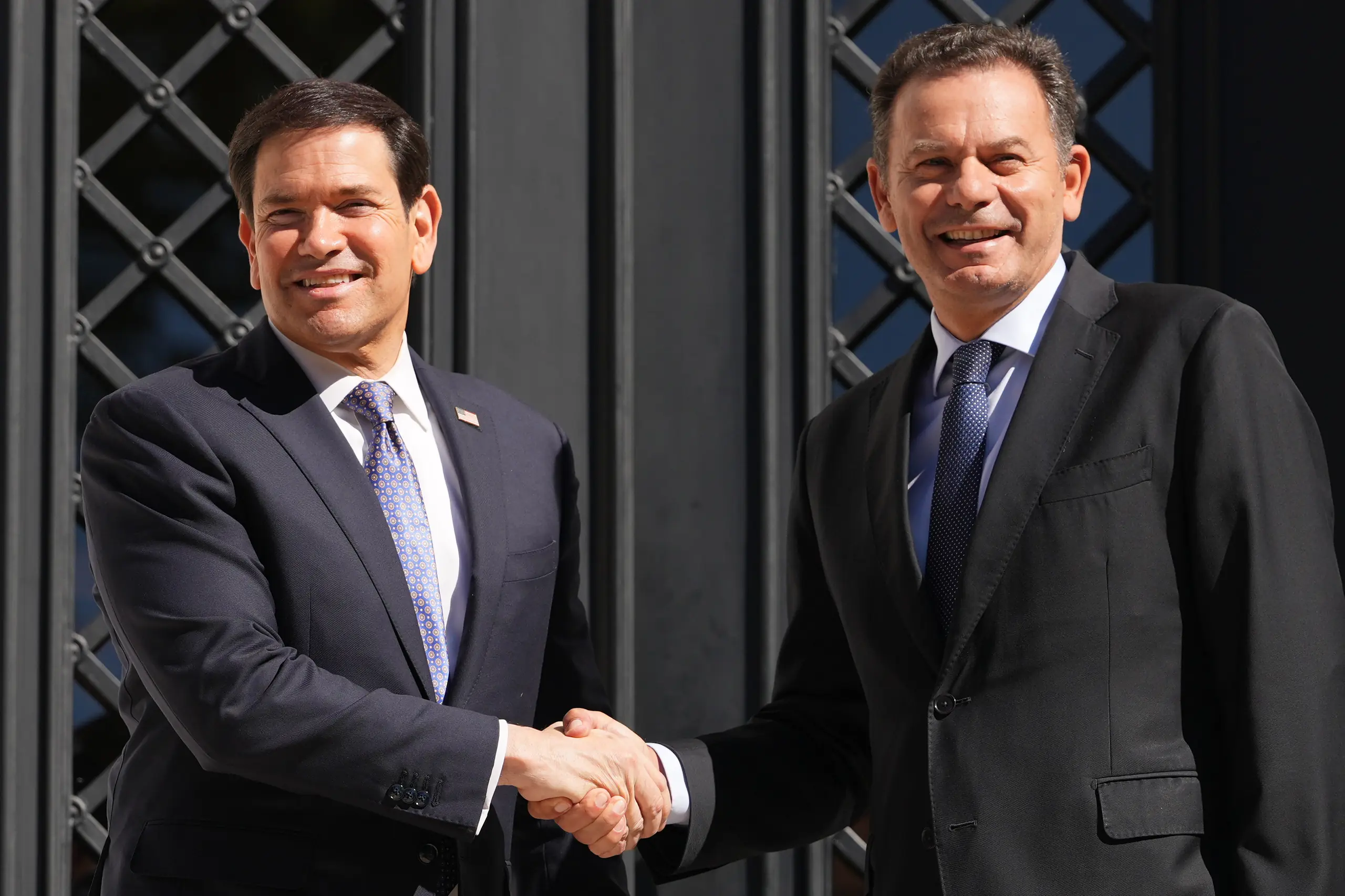
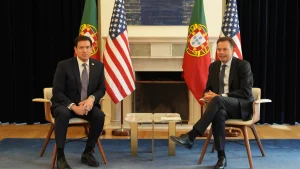
Secretary of State Marco Rubio’s stop in Lisbon this week was short, and that was the point. On the final leg of a three-country NATO tour that also took him through Iceland and Greece, Rubio sat down with Prime Minister Luís Montenegro and Foreign Minister Paulo Rangel, then stood at a joint press conference and described a relationship that still works the old way: capable partners, clear protocols, and mutual interest rather than sermons.
The contrast with the recent past is hard to miss. Under the previous administration, American diplomacy often treated allies as audiences for lectures on climate targets, gender ideology, and open-border norms. Rubio’s message, consistent with the Athens speech he delivered the night before on the foundations of Western civilization, is simpler. NATO is a defensive alliance. It deters hostility only if its members are strong—militarily, economically, and societally. “The stronger they are, the stronger we are collectively,” he said en route. Portugal has been moving in that direction. It has raised defense spending past the old 2 percent floor and is heading toward 3 percent. It cooperated when it mattered.

The same realism showed up on fighters. Portugal is deciding how to replace its F-16 fleet—an earlier joint program Rubio recalled as having strengthened both countries and the alliance. He did not arrive with an ultimatum. If Lisbon concludes the F-35 is the best choice, that decision is Portugal’s. Asked directly, he added the obvious: he thinks they should buy them because they are the best aircraft available, and he is not in the business of selling planes built in other countries. That is the difference between partnership and clientelism. Allies choose; the United States makes the case for its own technology and then lives with the answer.
The economic half of the visit matters as much as the military one. Rubio described Portugal as the ideal geographic and economic gateway for American firms into Europe—submarine cables, affordable energy, critical-mineral reserves, and large-scale data centers. U.S. investment in Portugal already runs past $20 billion, with Portuguese capital flowing the other way. The two sides are launching a U.S.-Portugal CEO Forum to cut bureaucracy and expand commercial ties in renewables, pharmaceuticals, technology, and logistics. In an era when China treats minerals, ports, and undersea infrastructure as strategic terrain, routing more of the transatlantic technology and energy relationship through a reliable NATO ally is not charity. It is supply-chain policy.
None of this requires Portugal to adopt an American domestic agenda. Rubio has been explicit on the broader tour: Washington is not demanding that allies photocopy “America First.” It is asking them to be strong enough that the alliance is more than an American security subsidy. Countries that invest in their own defense, control their borders, protect critical infrastructure, and prefer trade with fellow democracies make the collective stronger. Countries that free-ride, or that subordinate security cooperation to ideological fashion, do not.
The Lisbon stop will not dominate cable news. A functioning alliance rarely does. What it illustrates is the operating method of the current State Department: bilateral relationships with governments willing to spend, share bases under agreed rules, and treat energy, minerals, and data routes as matters of national interest rather than conference talking points. Portugal has been that kind of partner. The initiative is to deepen the pattern—more burden-sharing, more American technology where allies want it, and fewer illusions that multilateral bodies will do the work sovereign nations decline to do themselves.
#AmericaFirst #NATO #MarcoRubio #Portugal #TransatlanticAlliance #DefenseSpending #LajesField #EnergySecurity #CriticalMinerals #BurdenSharing
Sources
• State Department video of the joint press conference in Lisbon, October 8, 2026: FULL REMARKS: Secretary of State Marco Rubio Speaks at Joint Press Conference in Portugal
• Rubio’s remarks en route from Athens on stronger NATO members and the purpose of the Portugal stop, State Department, October 8, 2026.
• Euronews account of the Lisbon press conference: Portugal as geographic and economic gateway (submarine cables, energy, critical minerals, data centers), F-35 comments, defense-spending remarks, and the planned U.S.-Portugal CEO Forum.
• Associated Press / Newsday: Portugal’s conditional approval for Lajes Field use tied to Iran-related operations, contrast with Spain’s refusal, and Rubio’s description of Portugal as a “great ally.”
• Renascença: Rubio’s statement that U.S. use of Lajes follows agreed protocols and that Portugal “has been a great ally and always has been.”
• Jornal de Negócios: Rubio on the F-35 decision remaining Portugal’s, and on prior F-16 cooperation.
• Secretary Rubio’s October 5 departure note on the Iceland–Greece–Portugal trip focused on defense and energy security among NATO allies.