




America Strikes Back: Rubio’s Visa Crackdown on Cyber Predators Is Long Overdue
By Hotspotnews
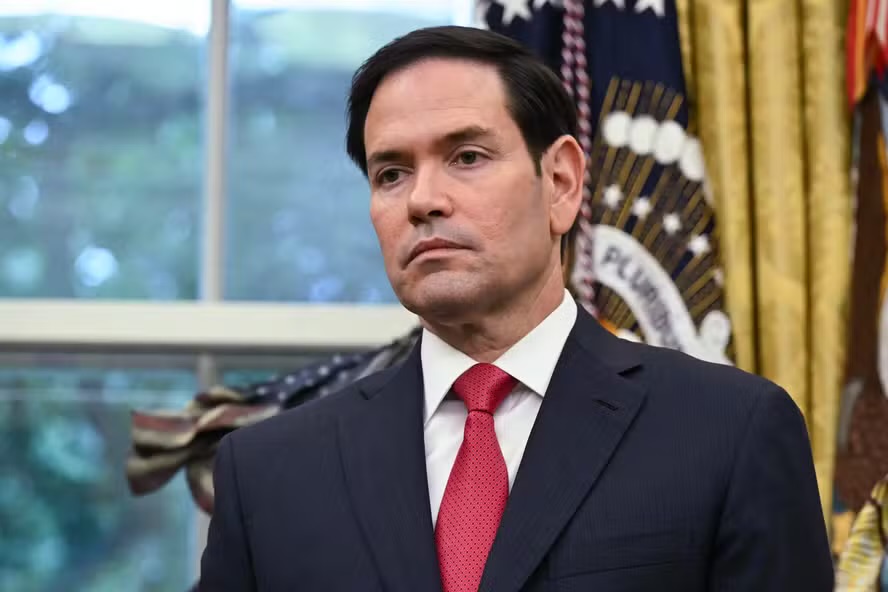
On July 23, Secretary of State Marco Rubio announced a new global visa restriction policy that should have been implemented years ago. Foreign nationals responsible for—or complicit in—cybercrime and cyber-enabled schemes that have devastated American families and children will now face barriers to entering the United States. Immediate family members of those involved may also be restricted. The message is clear and unapologetic: the United States will go after those who prey on our citizens.
This is not abstract policy. Online investment scams, frequently run by Chinese transnational criminal organizations operating industrial-scale compounds in Southeast Asia, defrauded Americans of at least $10 billion in 2024 alone. These operations fuel corruption, money laundering, and human trafficking. At the same time, financially motivated sextortion schemes have specifically targeted American children, destroying lives and terrorizing families. Overall reported cybercrime losses in the United States approached $21 billion in 2025. These are not isolated phishing emails—they are organized, predatory enterprises designed to extract wealth and innocence from ordinary Americans.
President Trump’s Executive Order 14390 on Combatting Cybercrime, Fraud, and Predatory Schemes Against American Citizens set the direction. Rubio’s announcement puts teeth into it by using Section 212(a)(3)(C) of the Immigration and Nationality Act. Visa access is a privilege, not a right. When foreign actors treat American families as open season for fraud and extortion, denying them and their enablers the ability to travel here is a basic act of national self-defense.
The U.S. Embassy in Brazil’s decision to translate and amplify the announcement in Portuguese is straightforward public diplomacy. Important policy changes should be communicated clearly to audiences that interact with the U.S. visa system. Brazil, like many countries, has its own cybercrime challenges, but the primary focus of this measure remains the large-scale Southeast Asian networks that have extracted billions from Americans. The translation simply ensures the warning is heard.
For too long, these networks operated with relative impunity, treating American victims as distant revenue streams while their operators and facilitators moved freely. Previous approaches often emphasized international cooperation and process while the losses mounted and children continued to be targeted. This administration is pairing the visa tool with sanctions, prosecutions, asset seizures, and extradition efforts. That is the correct posture: raise the personal cost for the people running and enabling these enterprises.
Protecting American citizens—especially the most vulnerable—from foreign predators is not radical. It is the core responsibility of any serious government. Rubio’s policy affirms that the United States will no longer treat the systematic fleecing and exploitation of its people as someone else’s problem. Those who build their livelihoods on American suffering should not expect a warm welcome at our borders. The United States is finally acting like a country that defends its own.


