


Analysis: Freedom of Speech as the People’s Alternative
By Hotspotnews
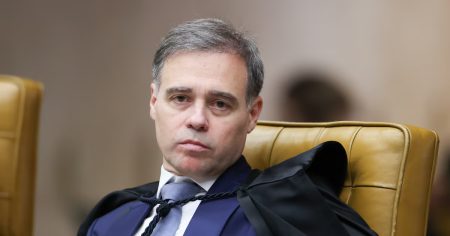
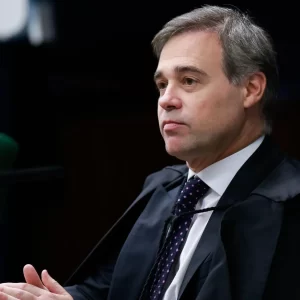
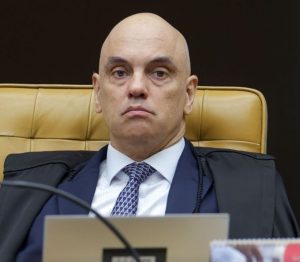
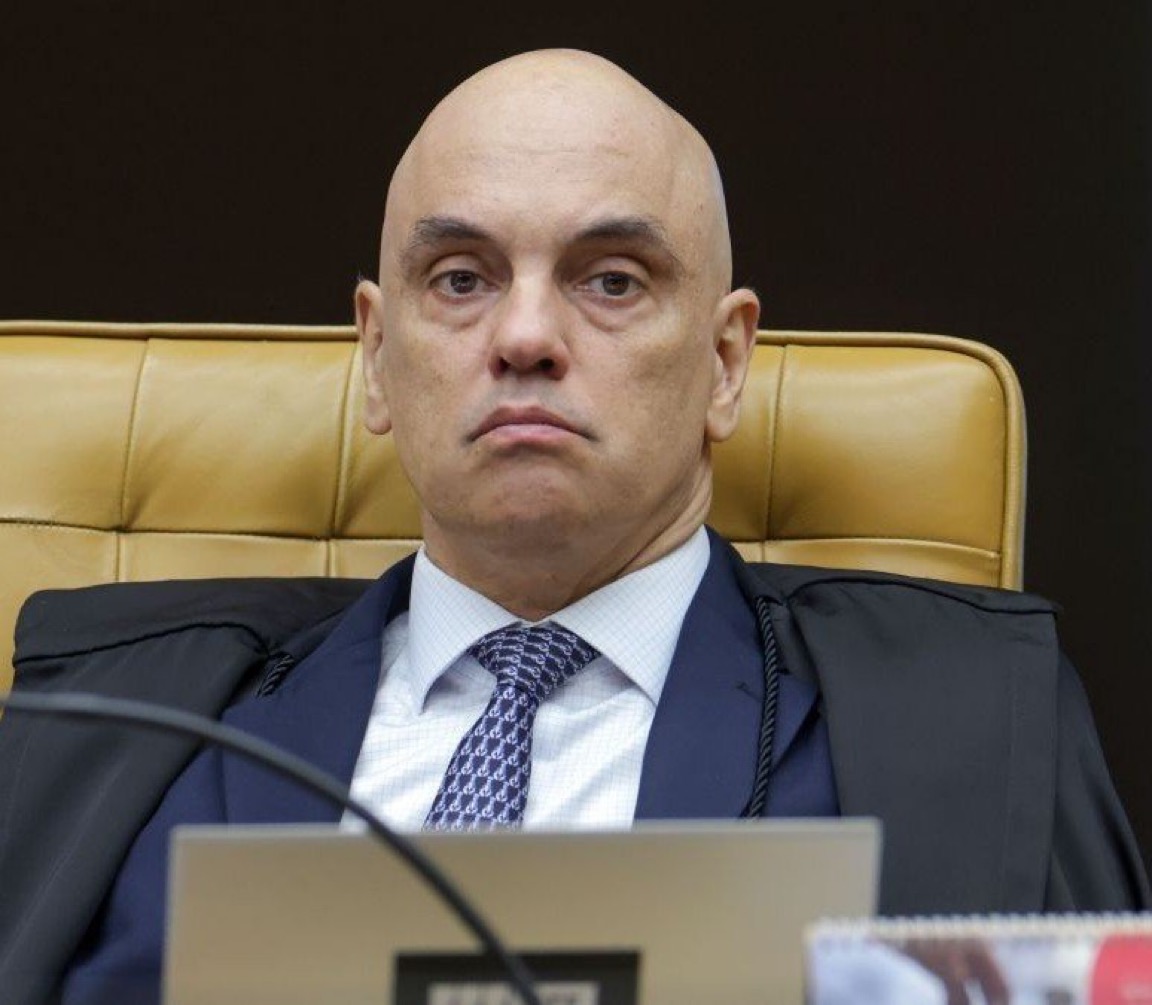
On 24 August 2026, during a lecture in São Paulo connected to the Congresso Nacional de Direito Público e Controle Externo and the Tribunal de Contas do Município, Minister Alexandre de Moraes addressed the decline of traditional media. He stated that unknown influencers with no specialized knowledge comment on everything from foreign wars to domestic soccer results, yet command larger audiences than the Jornal Nacional and other telejornais. He described this shift as something “worked to discredit” established media, with people following digital “bubbles” like a fanatical religion. He labeled the phenomenon “lavagem cerebral” — brainwashing.
This framing treats the public’s movement away from legacy outlets as pathology rather than choice. The core problem it overlooks is structural. A reporter on a traditional vehicle typically delivers copy prepared according to the outlet’s editorial line, ownership interests, commercial pressures, and political leanings. The audience receives a filtered product presented as authoritative summary. Over time, repeated instances of selective emphasis, calculated omissions, double standards on similar facts, and opinion sold as neutral reporting eroded trust. Citizens noticed. They began seeking alternatives that allow direct comparison of sources, full videos, documents, and unedited statements.
Freedom of speech is precisely the people’s alternative to that model. It does not require every speaker to be credentialed by universities, newsrooms, or the state. It does not demand that information pass through a single institutional filter before reaching the public. It protects the right of independent voices — journalists, analysts, and ordinary citizens — to gather facts, present evidence, and build audiences without prior permission. It also protects the public’s right to reject the old gatekeepers and form judgment by confronting competing versions of events.
Moraes’ remarks invert this dynamic. By dismissing large independent audiences as the product of brainwashing and fanaticism, the speech implies that distrust of traditional media is irrational and that the older monopoly deserved preservation. The language pathologizes disagreement instead of engaging specific claims. It suggests the problem is the multiplication of voices rather than the performance of the voices that once dominated. In practice, this stance aligns with broader efforts to elevate certain professional credentials and to treat digital speech as a special risk requiring heightened management.
Both systems contain failures. Traditional outlets have erred, manipulated framing, and protected institutional interests. Independent digital creators have spread falsehoods, pursued clicks over accuracy, and operated inside their own ideological silos. Freedom of speech does not guarantee quality or good faith from any side. What it guarantees is competition. When one set of institutions loses credibility, people retain the right to look elsewhere, to test claims against primary material, and to withhold trust. That process is not the destruction of democracy; it is democracy functioning through individual judgment rather than delegated authority.
The alternative is not chaos. It is accountability through open contestation. Citizens who can access complete records, unedited footage, and multiple analyses are better positioned to detect manipulation — whether it originates in a newsroom or on a digital platform — than citizens required to accept a nightly edited package as the authorized version of reality. Labeling the preference for that access as brainwashing protects the prior hierarchy more than it protects truth.
Freedom of speech remains the people’s alternative because no institution, media company, or state official holds a permanent monopoly on reliable information. When trust collapses in one channel, speech rights enable the creation and choice of others. The public’s rejection of scripted, tendency-driven reporting is not a crisis to be corrected by restoring gatekeepers. It is the exercise of the very freedom that democratic systems claim to defend. Attempts to reframe that exercise as collective delusion invert the relationship between authority and the governed.
#FreedomOfSpeech #FreeSpeech #MediaTrust #Democracy #IndependentVoices #PublicJudgment #InformationFreedom
Source: Public statements by Minister Alexandre de Moraes on 24 August 2026 during his lecture in São Paulo (TCM-SP / Congresso Nacional de Direito Público e Controle Externo), as reported in contemporaneous coverage and circulating video excerpts of the remarks on influencers, audience share relative to the Jornal Nacional, and “lavagem cerebral.”
video source TUMULTO BR