




Caiado: The Centrão Trojan Horse Poised to Enrich Elites and Trap Brazilians in Stagnation
By Hotspotnews
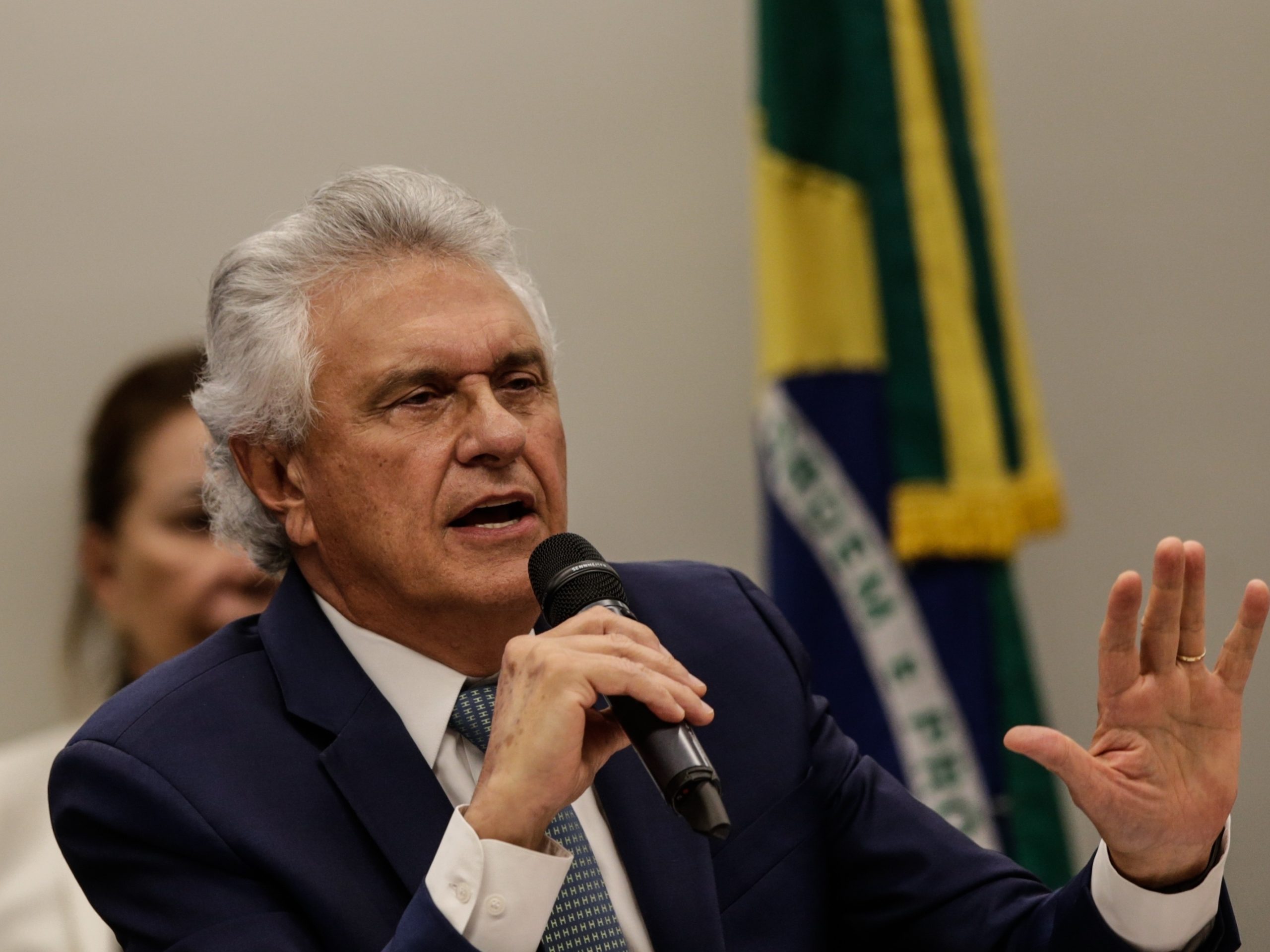
The Brazilian right is once again facing the oldest trick in the political playbook: the system anointing its preferred “moderate” savior while sidelining the candidates who truly threaten the status quo. Enter Ronaldo Caiado. Recent polls, amplified by convenient leaks and media buzz, position him as a strong contender against Lula in a second round. Businessmen are reportedly gathering in Rio lunches, tasking friendly lawyers with messages to inflate his numbers by a few decisive points. On the surface, it looks like pragmatic support for an electable conservative. In reality, it is the classic maneuver of the Centrão establishment — wheeling in a Trojan horse dressed in right-wing rhetoric.
Caiado is no outsider. He has navigated Goiás politics and national Congress for decades, mastering the art of alliances that keep the machine running smoothly. The Centrão — that bloc of professional deal-makers who swap amendments, ministries, and pork for votes — does not exist to transform Brazil. It exists to extract rents from whoever holds power. Caiado’s style fits this mold perfectly: tough speeches against the PT when convenient, followed by pragmatic coalitions that preserve insider privileges. This is not disruption. This is continuity with better marketing.
Record of vices and challenges that make him perfect for the system
As governor of Goiás, Caiado’s tenure revealed exactly why the elite would back someone like him despite (or because of) his baggage. Fiscal austerity helped markets and big players, but it came with cuts that hurt public services. The COVID-19 response drew sharp criticism for delays, hospital crises, and oxygen shortages. Security saw investments yet persistent violence, prison problems, and accusations of excessive force. Education and infrastructure lagged in poorer areas, with inequality remaining stubborn. Environmental concerns mounted over agribusiness expansion, land conflicts, and weak enforcement. Corruption probes, favoritism in contracts, lack of transparency in emergency funds, and confrontational tactics against critics painted a picture of a governor comfortable with the gray areas of Brazilian politics.
These are not deal-breakers for the elite. Quite the opposite. A candidate with these vices is predictable and containable. He knows how to play the coalition game, reward allies, and avoid radical breaks that could unsettle markets or powerful interests. The system does not want a saint or a revolutionary. It wants someone who will talk tough on Lula while quietly perpetuating the same structures of power, debt, and privilege.
The elite payoff
What happens when this model governs nationally? The big players — major contractors, financial institutions, large-scale agribusiness with privileged financing, and the regulatory insiders — secure their preferred outcomes. Tax reform that looks tough on paper but carves out exceptions for the connected. Fiscal “responsibility” talk that never touches the sacred cows of public spending on clientelist programs. Regulatory stability that protects incumbents while small businesses and informal workers continue to drown in bureaucracy and high costs. Public debt rolls over, interest payments flow to the same bondholders, and the economic pie grows just enough for the top to expand their slice while the bottom stays stuck.
Ordinary Brazilians — the small farmer fighting red tape and high input costs, the urban worker whose salary is eroded by inflation and taxes, the family dealing with urban violence that thrives under soft-on-crime policies — get the same Brazil as today. Perhaps with marginally better GDP headlines and friendlier international press, but without the structural breaks needed: genuine spending cuts, pension and administrative reforms that actually bite, judicial accountability that reaches the powerful, and a security approach that prioritizes law and order over negotiated truces. The people remain spectators to a refined version of the same game.
History provides the receipts. Previous centrist and “third way” experiments promised modernization and then dissolved into the usual coalition arithmetic. Ministries distributed to Centrão partners, amendments released to buy votes, and key reforms watered down until they become mere facades. Caiado’s trajectory suggests the same trajectory. The elites do not back him despite his moderation and record — they back him because of it.
The dubious messenger
Compounding the skepticism is the source feeding this narrative. Kakay, a criminal lawyer with longstanding ties to left-leaning circles and visible proximity to STF figures, claims he attended a meeting where 15 businessmen urged him to carry the message to boost Caiado. Who vouches for the accuracy, completeness, or intent behind this story? In Brazil’s polarized environment, information is weaponized. A story leaked or emphasized by someone embedded in the opposing camp can serve multiple purposes: manufacture momentum for the “viable” candidate, demoralize the conservative base, and create a self-fulfilling prophecy of inevitability.
Trust in such intermediaries is near zero among those who remember how narratives around institutions and “democracy” have been selectively applied. The STF has faced repeated criticism from the right for overreach, politicized decisions, and protection of allies. A messenger with those associations naturally raises red flags. Was this a genuine business discussion or a planted anecdote designed to shift the Overton window? Without independent verification, the conservative voter is wise to treat it as one more data point in the information war rather than gospel.
The real conservative alternative
The right’s strength has always come from its willingness to challenge entrenched powers rather than accommodate them. Jair Bolsonaro’s 2018 victory was fueled by exactly that rupture — voters tired of the old game. Names more aligned with that legacy, such as Flávio Bolsonaro, carry the potential to mobilize the base, demand deeper reforms, and resist easy co-optation. They make the establishment nervous because they are harder to control through the usual incentives of access and stability.
Polls and elite chatter are snapshots, not destiny. Early in the cycle, the system always tries to clear the field for its preferred option. The response must be vigilance. Conservatives should demand concrete commitments on spending caps, anti-corruption measures that apply to everyone, security policies that reduce crime rather than manage it, and economic opening that benefits the many, not just the connected few. Rhetoric alone is cheap. Track records and coalition choices reveal the truth.
Brazil cannot afford another cycle where the faces change but the results for the people stay depressingly familiar. A Caiado presidency, however polished, risks delivering exactly that: elite comfort, popular frustration, and a delayed reckoning with the structural problems that hold the country back. The Trojan horse is already inside the gates. The time to expose it is now — before the next election becomes just another rotation of the same elite carousel.


