




Brazilian Congress Exposes Deep Hypocrisy: Opposition Silenced While Corruption Allegations Vanish
By Hotspotnews
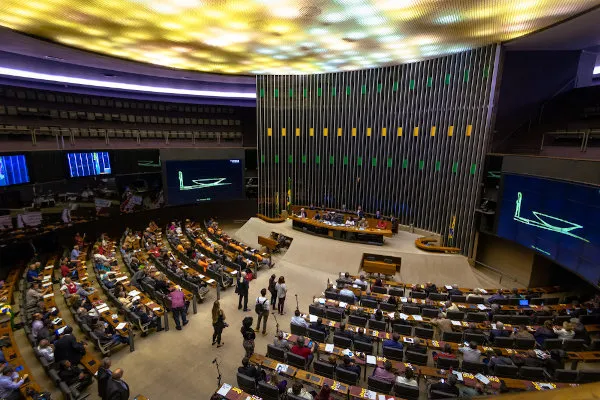
In a move that perfectly encapsulates the two-tiered “justice” system plaguing Brazil’s institutions, the Chamber of Deputies’ Ethics Council has suspended conservative deputy Marcel van Hattem for 60 days. His offense? Leading a peaceful protest in 2025 that occupied the plenary board to denounce controversial decisions by the Supreme Federal Court (STF) and to advocate for political prisoners. Meanwhile, the same council quietly archived serious allegations against leftist-aligned deputy André Janones involving “rachadinha”—the notorious scheme of demanding kickbacks from staff salaries—despite damning audio evidence.
This isn’t accountability; it’s selective persecution. Van Hattem, a vocal critic from the Novo party in Rio Grande do Sul, dared to challenge what many Brazilians view as judicial overreach by the STF. His protest highlighted legitimate grievances: perceived politicization of the courts, suppression of dissent, and the detention of individuals for their political beliefs. In a healthy democracy, such acts of legislative defiance against unelected judges would be protected speech. Instead, the Ethics Council treated it as a decorum violation worthy of punishment, effectively muzzling opposition voices.
Contrast that with the kid-gloves treatment for Janones of the Avante party. Audio recordings reportedly capture him pressuring staff to funnel portions of their salaries toward his 2020 campaign—a clear-cut case of public fund abuse that would trigger swift action against a conservative. Yet, in a 12-5 vote, the council chose to drop the proceedings entirely. No suspension. No real consequences. Just another day where allies of the establishment skate free while reformers pay the price.
This disparity isn’t accidental. It reflects a Brazilian political class where the rules bend depending on one’s alignment with powerful interests. The STF, long accused by critics of acting more like an activist super-legislature than an impartial court, faces growing pushback from lawmakers tired of its expansive rulings on censorship, elections, and individual liberties. Van Hattem’s stand represented that frustration—a cry against impunity and institutional capture. Punishing him while shielding Janones sends a chilling message: challenge the system at your peril, but play ball with the insiders and you’re untouchable.
Deltan Dallagnol, the former prosecutor renowned for his role in the Lava Jato anti-corruption operation, rightly called out this farce. His critique underscores a pattern where ethics enforcement serves as a political weapon rather than a guardian of integrity. Lava Jato itself was dismantled amid claims of bias, yet scandals involving government-friendly figures often evaporate in committee rooms.
Brazilians who voted for change in recent cycles have every right to feel betrayed by these optics. True conservatism demands consistent standards: robust free expression in the legislature, zero tolerance for corruption regardless of party, and checks on judicial power that threaten democratic balance. Suspending a deputy for protesting while archiving kickback evidence isn’t ethics—it’s establishment protectionism.
As Brazil grapples with economic pressures, security challenges, and eroding trust in institutions, episodes like this erode faith further. Lawmakers and citizens alike must demand reforms that restore impartiality. Until then, the message from the Chamber’s Ethics Council is loud and clear: some protests are more equal than others, and some scandals are meant to disappear. The fight for a freer, fairer Brazil continues—despite the obstacles thrown up by those clinging to power.


