




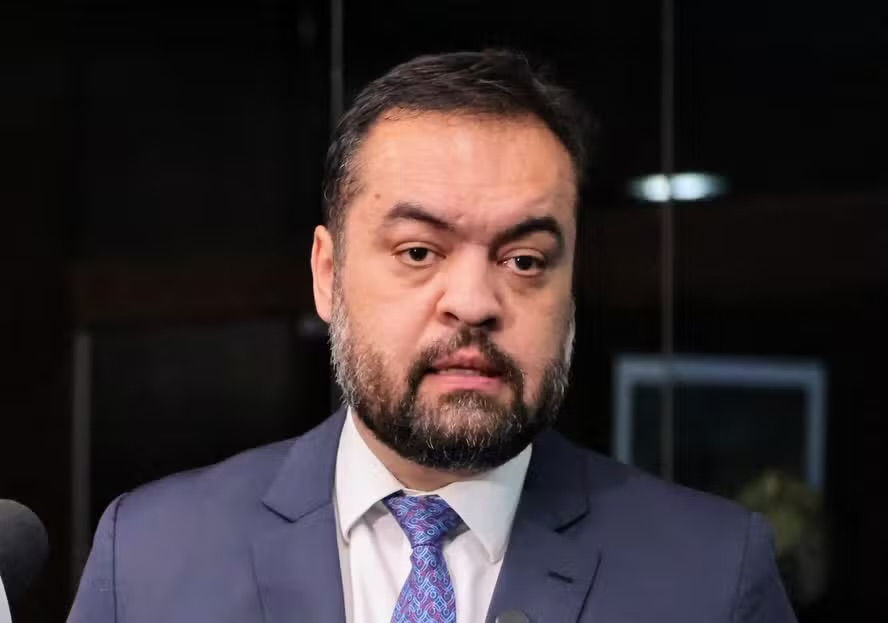
Brazilian Federal Police Launch Controversial Raid on Conservative Ex-Governor Cláudio Castro Amid Massive Tax Probe
By Hotspotnews
In a dramatic escalation of what critics are calling politicized justice in Brazil, federal authorities on Friday executed search and seizure warrants against former Rio de Janeiro Governor Cláudio Castro, a prominent conservative figure aligned with the PL party and former President Jair Bolsonaro’s political orbit. The operation, dubbed “Operação Sem Refino,” also targeted the privately owned Refit refinery group, ordering it to halt operations in an investigation centered on alleged tax evasion, money laundering, and related financial crimes.
Castro, who governed Rio from 2020 to 2026, cooperated with officers at his Barra da Tijuca residence as agents seized electronic devices. No immediate arrest was reported, but the move sends a chilling signal: even former elected leaders who challenged establishment norms can find themselves in the crosshairs of Brazil’s powerful federal institutions. The Supreme Court, through Minister Alexandre de Moraes — a lightning rod for conservatives who view him as wielding outsized influence — authorized the freezing of approximately R$52 billion in assets and suspended the refinery’s activities.
Refit, formerly linked to the historic Manguinhos refinery, has long been embroiled in disputes over massive tax debts stretching back years. Prosecutors claim the company used complex corporate structures to conceal assets and evade obligations, with the former governor accused of fostering a “favorable environment” through state policies during his tenure. Businessman Ricardo Magro, the group’s owner, is reportedly abroad and now subject to an Interpol Red Notice.
From a conservative standpoint, this operation raises serious red flags about selective enforcement and the weaponization of Brazil’s justice system. Brazil’s tax code is notoriously complex and punitive, burdening businesses with layers of federal, state, and municipal levies that many argue stifle growth and encourage creative — if sometimes questionable — compliance strategies. While no one defends genuine fraud, the timing and intensity of this raid against a center-right former governor, just as the country grapples with economic recovery under the Lula administration, invites skepticism. Why the heavy hand now, complete with asset freezes on a scale of billions, when similar issues in state-linked enterprises or leftist-aligned businesses often receive far less aggressive treatment?
Castro’s administration was marked by efforts to restore order in Rio, combat crime, and promote fiscal responsibility in a state long plagued by mismanagement and violence. His political base sees this not as impartial accountability, but as part of a broader pattern of “lawfare” aimed at sidelining conservative voices ahead of future elections. Bolsonaro supporters and free-market advocates have repeatedly warned that Brazil’s institutions, particularly under the influence of activist judges, risk becoming tools for political retribution rather than guardians of the rule of law.
Presumption of innocence must prevail. Castro has not been charged, and his team has expressed surprise at the operation while pledging full cooperation. True justice demands transparency, due process, and equal application of the law — standards that many Brazilians feel have been unevenly applied in recent years, especially against those who represent limited government, anti-corruption drives, and resistance to leftist economic policies.
This case underscores deeper challenges in Latin America’s largest economy: reconciling legitimate tax enforcement with the need to protect private enterprise from arbitrary state power. Overzealous regulators and courts risk damaging investor confidence at a time when Brazil desperately needs growth, jobs, and stability. Conservatives will be watching closely to ensure this investigation serves the public interest rather than settling political scores. In a nation still healing from polarization, the fair treatment of figures like Cláudio Castro will test whether Brazil’s democracy truly values all voices equally.