



Latin America’s Stand Against Evo Morales’ Chaos: Defending Democracy from Socialist Sabotage but Lula keeps very quiet
By Hotspotnews
In a rare display of regional backbone, eight Latin American nations have drawn a firm line against the leftist agitation tearing through Bolivia. Argentina, Chile, Costa Rica, Ecuador, Guatemala, Panama, Paraguay, and Peru issued a joint communiqué condemning the paralyzing road blockades that are choking off food, fuel, and medicine to ordinary Bolivians. These aren’t peaceful protests—they’re calculated disruptions aimed at destabilizing a democratically elected government.
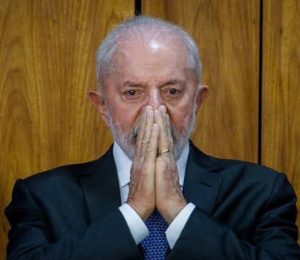
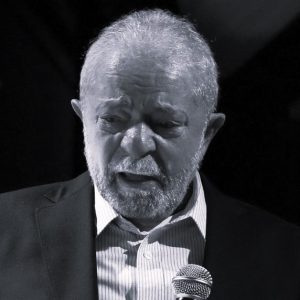
While much of South America condemns Evo Morales’ role in the crisis, Lula remains silent. Brazil’s leader, a longtime ideological ally of the former Bolivian strongman, has offered no public criticism of the blockades or Morales’ apparent power grab. This conspicuous silence from Brasília—along with similar quiet from Mexico and Colombia—exposes the selective outrage of the modern Latin American left. When socialist comrades are involved, humanitarian suffering and democratic norms suddenly take a backseat.
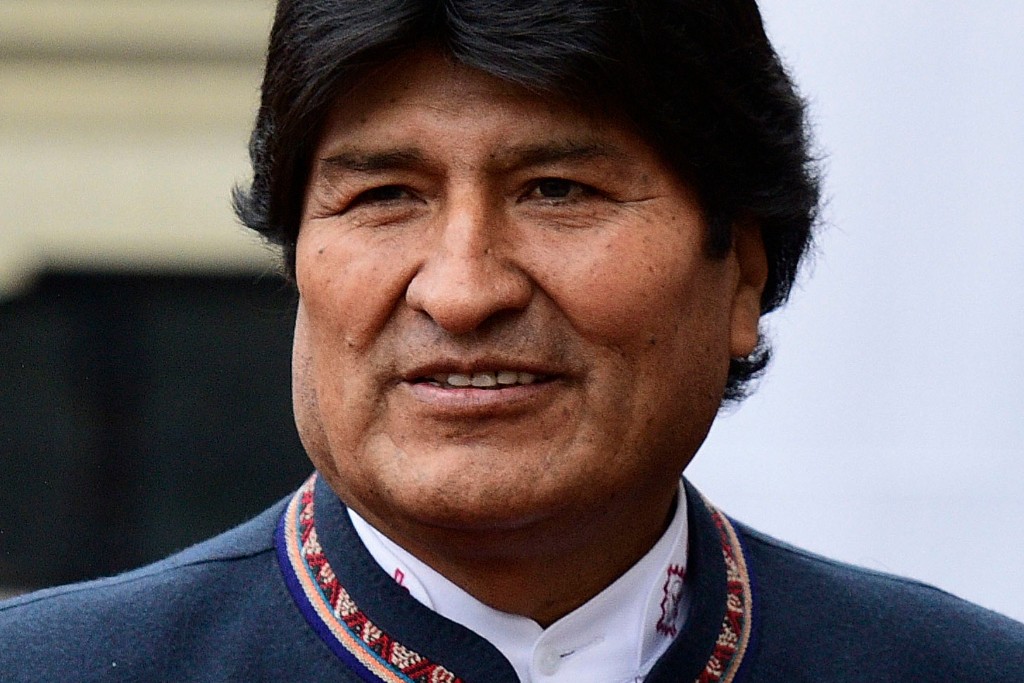
At the center of this turmoil sits Evo Morales, the former president and longtime socialist firebrand whose supporters are leading the blockades. Morales, facing serious legal charges including an arrest warrant for aggravated human trafficking involving a minor, appears determined to manufacture a crisis rather than face justice. Conservatives have long warned that unchecked populism and identity-driven socialism breed exactly this kind of entitlement to power. Morales’ playbook—stirring ethnic divisions, economic mismanagement, and now street-level coercion—exemplifies how leftist strongmen cling to influence long after their time has passed.
The statement from the eight nations rightly prioritizes humanitarian concerns. Bolivian families are suffering shortages while radicals play politics with road access. This isn’t governance; it’s extortion. By rejecting any attempts to undermine constitutional order, these countries are sending a clear message: democracy means respecting elections and the rule of law, not endless revolutionary theater when the results don’t suit you.
Bolivia’s situation underscores deeper failures of the socialist model that Morales championed during his years in power. Nationalizations, suppression of dissent, and alliances with regimes in Cuba, Venezuela, and Nicaragua delivered dependency and decline, not prosperity. Fuel shortages and economic protests today are the predictable harvest of those policies. When government controls the levers of the economy and tolerates—or encourages—disruptive allies, the people pay the price in empty shelves and closed highways.
Supporters of limited government, free markets, and democratic accountability should watch this closely. Latin America has suffered too many cycles of charismatic caudillos promising equality while delivering poverty and power grabs. Morales’ legal troubles, particularly the grave allegations of trafficking, add a moral dimension that cannot be ignored. No one, regardless of past popularity or indigenous symbolism, stands above the law—especially not when the charges involve the exploitation of the vulnerable.
The joint statement offers a glimmer of hope that parts of the region are rejecting the slide toward instability. True conservatives understand that sovereignty, secure borders, functioning institutions, and economic freedom form the foundation of any successful society. Bolivia deserves leaders who uphold these principles, not former rulers engineering chaos from the sidelines to evade accountability.
As this crisis unfolds, the choice remains stark: constitutional order and relief for suffering citizens, or another chapter in the left’s endless quest for perpetual revolution. The eight signatory nations have chosen the former. Their neighbors—especially those still clinging to outdated socialist solidarity—would do well to follow.


