



Senate Shield: Alcolumbre’s Refusal Tests Whether Congress Can Hide Who Walks Its Halls
By Hotspotnews
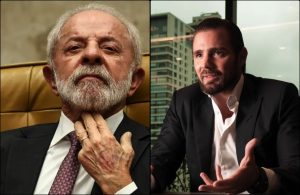
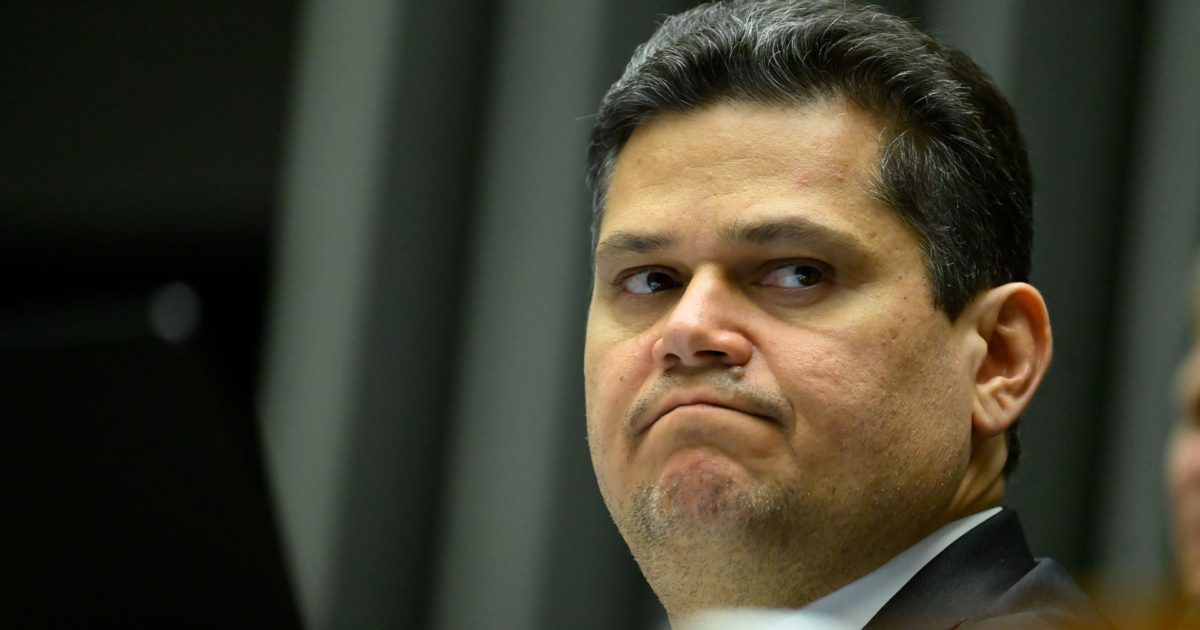
Senate President Davi Alcolumbre has answered Minister Luiz Fux with a flat no. The records of who entered and left the Senate — including Viviane Barci, wife of Justice Alexandre de Moraes; banker Daniel Vorcaro; Frei Chico, brother of President Lula; and Fábio Luís Lula da Silva, Lula’s son — will not be handed over. The Senate’s lawyers say disclosure would empty Article 53, §6 of the Constitution, the clause that frees deputies and senators from testifying about information received or given in the exercise of their mandate, and about the people who confided it.
That is the official line. The political reading is simpler. A city councilor from Curitiba, Guilherme Kilter, asked for visitor logs under the Access to Information Law after the Senate’s ombudsman refused them as personal data. The case reached the Supreme Court. Moraes stepped aside because his wife is on the list. Fux took the file, said he saw no privacy violation at first glance, and gave Alcolumbre ten days to explain. On October 7 the Senate did not explain the visits. It asked Fux to kill the case.
The consequences, so far, are institutional rather than personal. Alcolumbre has not defied a final judgment. Fux has not yet ruled on the merits, and the Public Prosecutor’s Office still has to give its opinion. Under the mandado de segurança statute, disobedience becomes a crime only after a writ is granted and then ignored. That line has not been crossed. What has been crossed is the expectation that a public building’s door logs are public. The Senate now claims that knowing who visited lawmakers can reconstruct agendas and sources, and that this reconstruction itself violates parliamentary secrecy. The same filing says the privilege would not block a formal request from prosecutors, the Federal Police, or audit courts. The wall is reserved for a private citizen using the transparency law.
That distinction is the tell. If the names on the list were ordinary lobbyists, the refusal would be a dry legal fight. They are not. Vorcaro’s bank collapsed under fraud allegations. The “Careca do INSS” sits inside the pension-fraud scandal. Barci is married to the justice who has become the face of the Court’s most contested cases. Lulinha and Frei Chico carry the president’s name into the building. A conservative reading does not need a conspiracy to find the problem: the people with the most reason to be asked about their access are the ones the Senate is most determined to shield.
Is this the proof Fux needs, and is Alcolumbre obstructing justice? Not in the criminal sense the phrase usually carries. Obstruction requires a pending duty and a deliberate block of it. Fux asked for a response; he received a legal brief. Treating that brief as obstruction would collapse every defense into a crime. The harder point is political. If Fux accepts the Senate’s theory, visitor logs of the upper house become a protected class of information whenever a private citizen asks, and the Access to Information Law stops at the Senate door for anyone connected to a sitting justice or the presidential family. If he rejects it and orders disclosure, Alcolumbre then faces a real order. Ignoring that order would be disobedience, and the claim of obstruction would finally match the statute.
Until then the consequence is precedent, not a cell. Congress is testing whether separation of powers can be stretched into a right to conceal who seeks its members. Fux can force the disclosure only by granting the writ and standing behind it. The Senate is betting he will not. That bet, more than any single visit, is what the case will decide.
#Alcolumbre #STF #Fux #SigiloParlamentar #Senado #Transparencia #Vorcaro #Lulinha
Sources: G1; CNN Brasil; Estadão; Congresso em Foco; Gazeta do Povo; Constitution of Brazil, Article 53, §6; Law 12.016/2009.