




Brazilian Taxpayers Forced to Bankroll Defense of Censorship in American Courtroom
By Hotspotnews
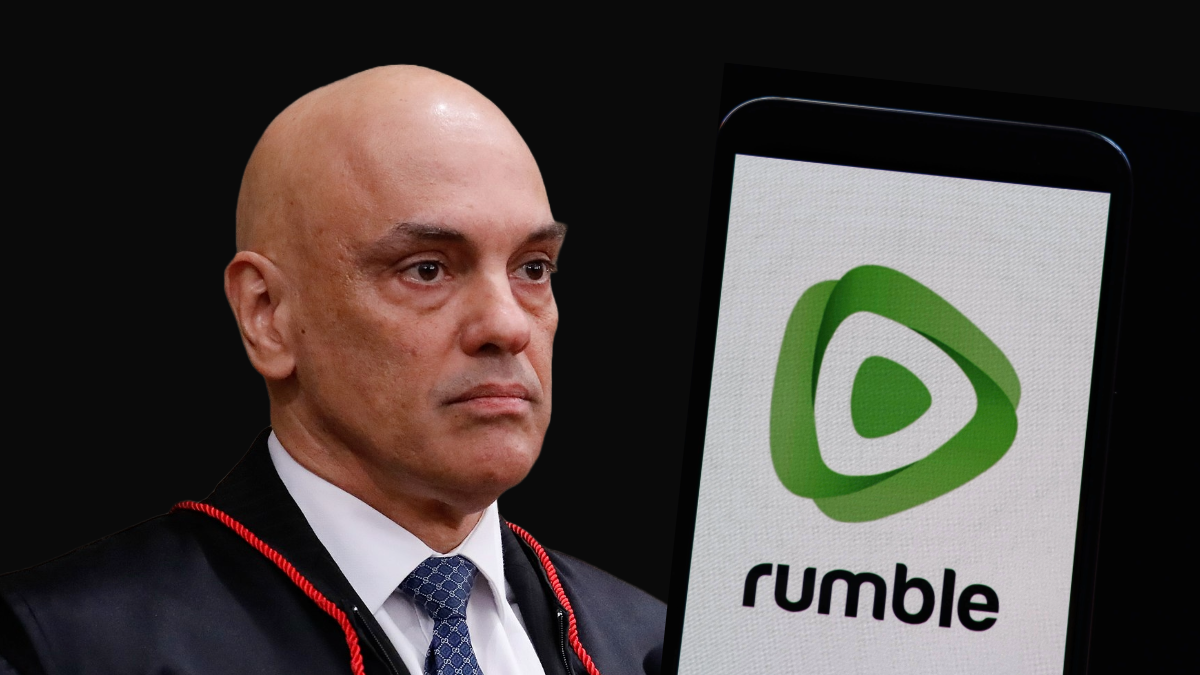
In a stark reminder of how judicial overreach burdens ordinary citizens, the Brazilian government is now spending public money to defend heavy-handed censorship orders in a United States federal court. The case, brought by free-speech platforms Rumble and Trump Media, challenges the extraterritorial reach of Brazilian Supreme Court Justice Alexandre de Moraes, whose directives have silenced dissenting voices, blocked accounts, and pressured American companies to enforce Brazil’s brand of political control.
What started as a lawsuit by American platforms asserting their First Amendment rights has taken a costly turn. A Brazilian newspaper initially hyped the development as a major victory for Moraes and the government. In reality, a U.S. judge simply allowed Brazil’s federal government — through its lawyers at the AGU — to formally intervene. This procedural move lets Brazilian officials argue in court that Moraes’ actions represent official state policy deserving of sovereign immunity. The core dispute remains unresolved: whether one judge’s orders can force U.S. companies to censor content for Brazilian users while undermining American free-speech protections.
The real losers here are the Brazilian people. Taxpayers are footing the bill for high-priced American legal talent. Recent contracts show the government has committed millions of dollars to U.S. law firms to handle these international fights, including matters tied directly to Moraes’ actions. This money does not come from some endless government slush fund — it comes from workers, families, and businesses already squeezed by high taxes and economic pressures. While elites in Brasília defend “sovereignty,” everyday Brazilians pay to export censorship abroad.
Conservatives have long warned about the dangers of concentrated judicial power. In Brazil, Moraes has become a symbol of activist judging: issuing sweeping orders to remove content critical of the establishment, targeting political opponents, and treating social media platforms as extensions of his courtroom. Supporters call it protecting democracy. Critics rightly see it as authoritarian overkill — punishing speech that challenges left-leaning narratives on elections, COVID policies, or cultural issues.
Rumble and Trump Media represent a vital counterweight. Unlike legacy Big Tech giants that often bend the knee to foreign censors, these platforms prioritize open discourse and American constitutional values. Their lawsuit highlights a growing global tension: Can unelected judges in one country dictate terms to U.S. companies and silence voices protected under the First Amendment? Allowing foreign governments to drag American platforms into endless compliance battles chills free expression everywhere.
This intervention shifts the financial burden squarely onto Brazilian taxpayers without resolving the underlying principles. Instead of reforming a system that lets one judge act as prosecutor, judge, and enforcer, the government doubles down and hires expensive foreign counsel. The message to citizens is clear: your taxes will subsidize the defense of policies that limit what you can read, watch, and say.
As the case proceeds, the stakes extend beyond Brazil. Free nations must decide whether digital sovereignty means shielding citizens from government excess or empowering bureaucrats to control information flows worldwide. For now, Brazilian families are paying the price for their government’s choice to prioritize courtroom victories over individual liberty. True accountability would mean reining in activist judges and respecting the fundamental right to speak freely — without sending the bill to the people who suffer most under censorship.


