



Brazil’s Critical Minerals Standoff: Lula Stalls Progress While Flávio Courts the Northeast and Trump Waits
By Hotspotnews
Brazil sits on the world’s second-largest reserves of rare earths and critical minerals—resources essential for defense, electric vehicles, semiconductors, and the energy transition. Yet under President Luiz Inácio Lula da Silva, the country has chosen delay over decisive partnership with the United States.
According to the U.S. Embassy’s economic counsellor speaking this week at a major mining fair, Brasília has left unanswered at least two formal American proposals: an earlier invitation to the Minerals Security Partnership and a February 2026 bilateral framework agreement. Washington has received no substantive reply. Lula’s public line remains consistent—Brazil welcomes investment from any nation provided processing stays on Brazilian soil and national sovereignty is never compromised. In practice, this has meant no signed federal deal with the United States while private U.S.-linked activity continues and China looms as the dominant processor of these materials.
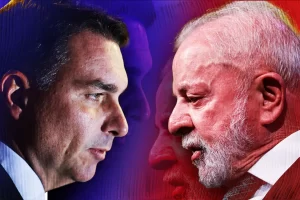
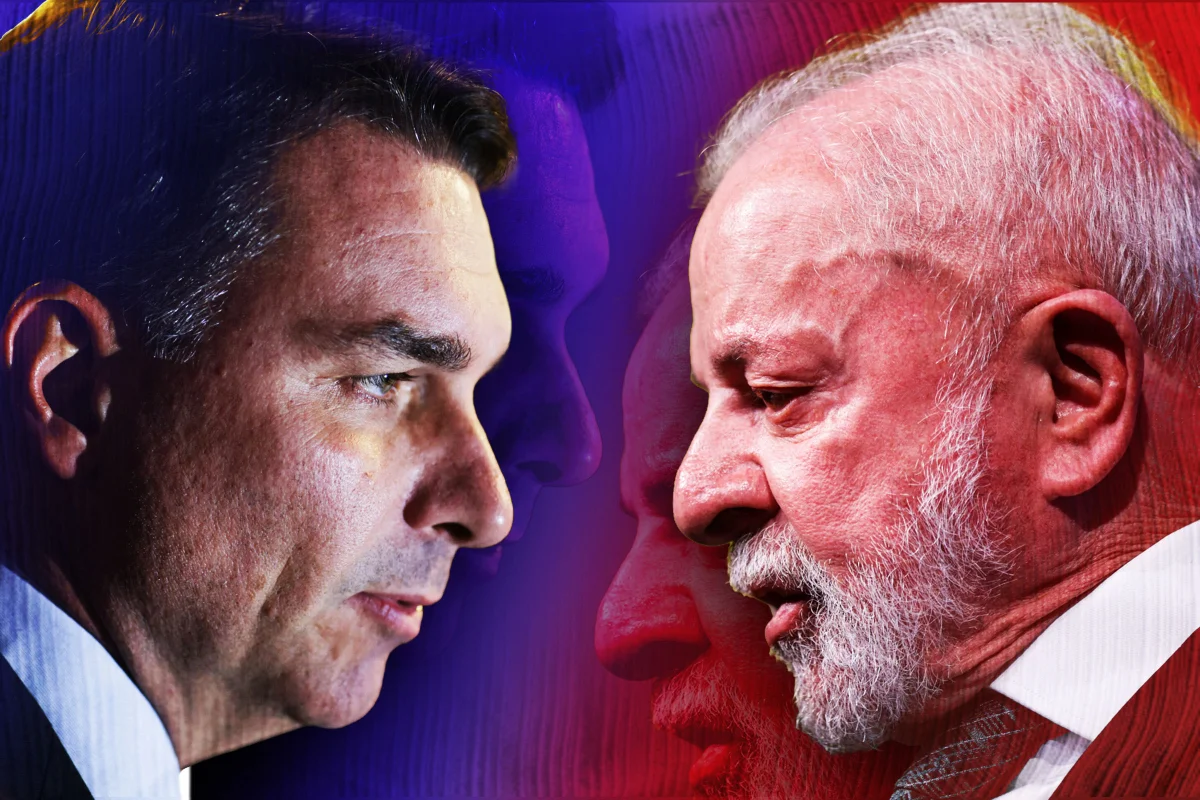
This posture comes as Brazil’s presidential race tightens ahead of the October 4 first round. Recent polling shows Lula leading Flávio Bolsonaro in the first round but locked in a technical or near-tie in a potential runoff. Flávio, son of former President Jair Bolsonaro, is not waiting. This week he launched his Northeast campaign swing in Alagoas—his running mate’s home state—with carreatas in Maceió and Arapiraca, meetings with business leaders and evangelicals, and concrete pitches: a regional rail line connecting Northeastern capitals, expanded agro and clean-energy investment, and a firm commitment to maintain Bolsa Família while improving security and opportunity. The Northeast remains Lula’s strongest region, yet Flávio is deliberately softening his message there to peel away voters who once backed the PT but now feel the cycle of high prices, slow growth, and ideological posturing has run its course.
U.S. President Donald Trump’s administration is responding with strategic patience. Officials have made clear they will not expend further political capital until after Brazil’s voters decide. Why negotiate a long-term minerals partnership with a government that may be on its way out? Better to wait for a potential partner more aligned with Western supply-chain security and less inclined to treat American proposals as threats to sovereignty.
Lula’s defenders call this sovereignty. Critics see missed opportunity. Brazil could accelerate domestic processing, attract capital and technology, create high-value jobs, and reduce global dependence on Chinese refining. Instead, the federal government has prioritized multi-alignment rhetoric while private deals move slowly and the election clock ticks. Critical minerals are not merely commodities; they are strategic assets in a contested century. Countries that lock in reliable partners early will shape the next industrial age. Those that hesitate risk remaining suppliers of raw material rather than manufacturers of finished strength.
Flávio Bolsonaro’s Northeast events signal a campaign that understands regional realities. Trump’s decision to hold fire signals a U.S. that prioritizes results over process. Brazil’s voters will soon decide whether the country continues on its current path or chooses a different course on resources that the world desperately needs.
#BrazilElections2026 #CriticalMinerals #RareEarths #Lula #FlavioBolsonaro #Trump #USBrazil #EnergySecurity #SovereigntyOrStagnation
Sources: Statements by U.S. Embassy Economic Counsellor Matthew Lowe at Exposibram (August 2026); reporting on Flávio Bolsonaro’s Alagoas campaign events (August 25–26, 2026); recent Brazilian presidential polling from Nexus/BTG and Datafolha.


