




Castles of Sand: Brazil’s Addiction to High-Risk Gambles
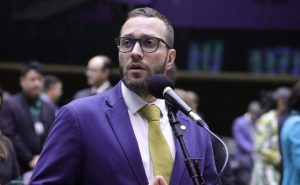
In November 2025, Brazil witnessed the dramatic downfall of Banco Master, a mid-sized bank whose meteoric rise and spectacular collapse exposed the perils of building empires on shaky foundations. Controller Daniel Vorcaro, arrested at an airport while attempting to flee on his private jet, saw his institution liquidated by the Central Bank amid allegations of over R$12 billion in fraudulent credit securities sold to state-owned BRB. What began as an aggressive growth strategy—offering sky-high yields to attract deposits—ended in the largest intervention in Brazilian banking history, with massive losses borne by the Credit Guarantee Fund and ordinary investors.
Vorcaro’s playbook was classic high-stakes lobbying: lavish sponsorships of international legal forums attended by Supreme Federal Court (STF) ministers, lucrative contracts with law firms connected to judicial figures, and a bipartisan network spanning politicians from across the spectrum. Contacts in his phone included STF ministers like Dias Toffoli (who assumed oversight of the case, imposed secrecy, and traveled privately with a lawyer linked to the bank) and ties to the family of Alexandre de Moraes through a R$129 million contract. These relationships bought temporary shields—delaying scrutiny, shifting probes to friendlier venues—but ultimately failed when the fraud became undeniable.
This wasn’t partisan favoritism; Vorcaro courted power wherever it resided, from previous administrations to the current one. Yet the episode highlights a deeper malaise: a system where aggressive influence-peddling substitutes for sound governance, allowing fragile institutions to balloon until they burst, harming the public.
The parallels to Brazil’s broader economy under President Lula are striking. Just as Vorcaro promised unsustainable returns to fuel growth, the government has pursued expansive fiscal policies—boosting social spending, minimum wage hikes, and benefits—that deliver short-term gains like employment growth and consumption booms. But the costs are mounting: public debt projected to climb toward 82% of GDP by 2026, persistent deficits, and interest rates at punishing levels to combat lingering inflation.
Critics warn this is another castle of sand: stimulus now for political capital in 2026 elections, but a looming reckoning with higher borrowing costs, crowded-out private investment, and potential credit downgrades. True conservatism demands fiscal responsibility, transparent institutions, and rules that prevent both private fraudsters and public spendthrifts from gambling with the nation’s future.
The Banco Master saga is a cautionary tale. Brazil cannot afford endless high-risk bets—whether by ambitious bankers courting judges or governments expanding debt without restraint. Restoring trust requires binding ethics codes for the judiciary, stricter banking oversight, and a return to fiscal prudence. Only then can the country build on solid ground, not shifting sands that collapse when the tide turns. The republic’s stability depends on it.


