




Why Nearly Half of Brazilians Miss Bolsonaro’s Economy
By Hotspotnews
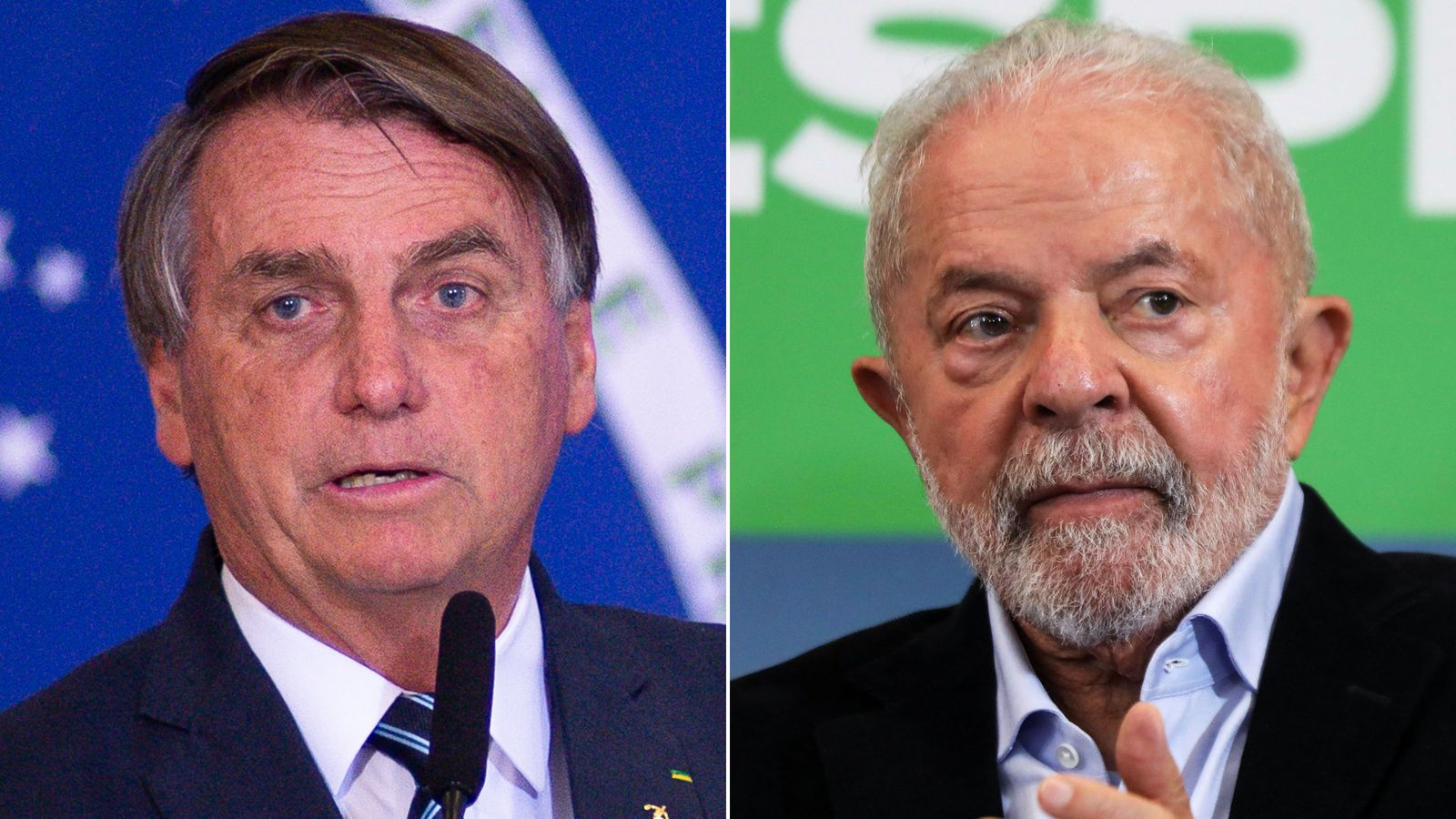
As Brazil heads into another pivotal election year, a striking poll has laid bare the disconnect between government spin and everyday reality. Nearly half the population—48 percent—now believes the economy was better under former President Jair Bolsonaro than under Luiz Inácio Lula da Silva’s current administration. This comes despite no global pandemic crippling supply chains, record levels of congressional pork-barrel spending, and historically high oil prices that should be filling government coffers.
The numbers are uncomfortable for the left. With the Centrão power brokers fully integrated into the governing coalition and billions in emendas parlamentares flowing to favored projects, Lula’s team had every structural advantage. Yet families across Brazil are tightening their belts and remembering the pre-Lula years with growing fondness. Bolsonaro’s simple warning—“Vocês vão sentir saudade da gente”—is proving prophetic.
The reasons are rooted in pocketbook pain that no official unemployment statistic can erase. Brazilian households are drowning in debt. Overdue payments have skyrocketed, and sky-high interest rates have turned loans into shackles. Even as some wages rose nominally, the money stops stretching when most of it goes to servicing old obligations rather than buying groceries or investing in the future. Working- and middle-class families feel the squeeze daily, and they remember a time when emergency aid arrived without the heavy hand of permanent dependency programs.
Food prices tell the same story. The cesta básica—the basic basket of rice, beans, meat, and staples—has become a source of constant frustration. Inflation may have moderated on paper, but the volatility in beef, coffee, and everyday essentials has eroded purchasing power. Supermarket receipts don’t lie, even if government press releases do. Brazilians are buying less with their income than they did a year ago, and they know it.
Meanwhile, restrictive monetary policy has cooled growth precisely when dynamism was needed. After an initial post-pandemic rebound, GDP forecasts have sagged. Businesses face punishing borrowing costs. Informality remains stubbornly high. The result is a classic case of “good numbers, bad vibes”—low headline unemployment paired with widespread anxiety about the future.
Conservatives have long warned about this pattern. Big-government redistribution, expansive social spending, and alliances of convenience with the old patronage machine rarely deliver lasting prosperity. They create dependency, inflate public debt (now marching toward dangerous territory), and punish the very productivity that lifts people out of poverty. Bolsonaro’s approach, for all its imperfections, emphasized opportunity, energy-sector strength, and a skepticism of endless fiscal gimmicks. High oil prices, which should have been a blessing, have instead highlighted the contrast: revenue flows in, yet the streets feel poorer.
Political polarization plays a role, of course. Lula voters see progress through the lens of expanded welfare programs. But the breadth of dissatisfaction—cutting across regions and income groups—suggests something deeper than partisanship. It is the lived experience of millions who wake up every day wondering why life feels harder despite promises of a return to greatness.
As 2026 approaches, this poll is more than a data point. It is a warning. When nearly half the country looks back at the Bolsonaro years with economic nostalgia—despite the unprecedented challenges of a global health crisis—they are signaling that flashy spending and political theater cannot substitute for sound policy, personal responsibility, and real growth.
The Brazilian people are practical. They remember who delivered results they could feel in their wallets. And they are increasingly willing to say it out loud.


