




Colombia’s New President Delivers a Long-Overdue Punch Against Narco-Terrorism
By Hotspotnews
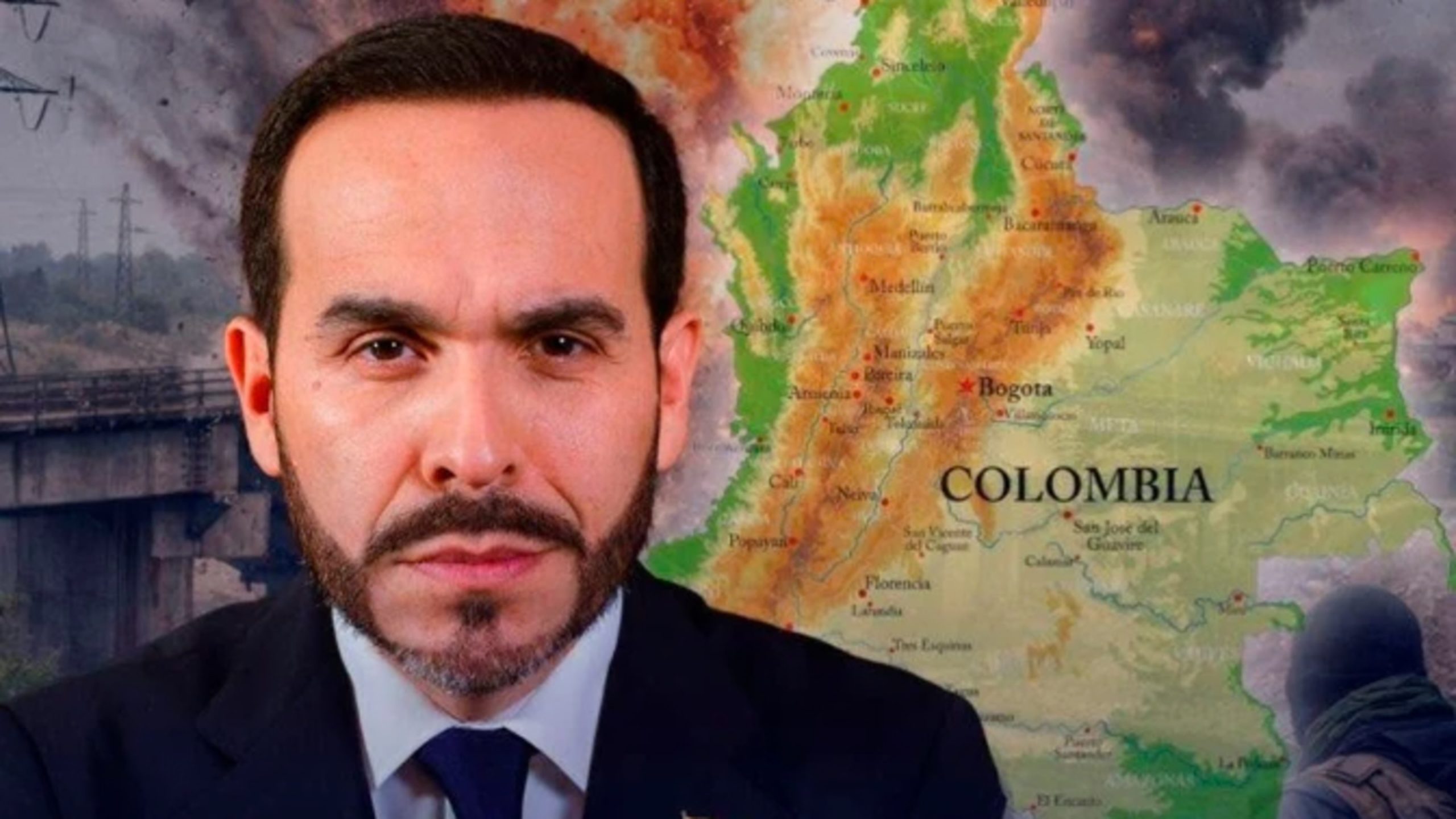
The incoming president of Colombia has just announced a clear, unapologetic return to serious law-and-order policies against the drug cartels that have plagued the country for decades. On August 8, the day he takes office, Abelardo de la Espriella pledged to issue immediate orders for the aerial fumigation of more than 330,000 hectares of coca crops—the raw material behind the cocaine flooding streets across the Americas. He also vowed to resume bombings of narcoterrorist camps, shoot down drug-laden aircraft leaving Colombian airspace, and sink smuggling boats operating in the Caribbean, Pacific, and Gulf of Urabá.
This is not vague campaign rhetoric. It is a direct declaration that the era of half-measures and endless negotiations with criminals is over.
For years, Colombia suffered under the soft-handed approach of the previous leftist administration. Emphasis on “total peace” talks, reduced eradication efforts, and reluctance to confront armed groups head-on coincided with record-high coca cultivation and surging cocaine production. The result was predictable: more violence, more territory controlled by narco-terrorists, and greater harm to ordinary Colombians and neighboring countries. Crop substitution programs and dialogue sounded noble in theory but delivered little in practice when facing well-armed criminal organizations that have no interest in peace.
De la Espriella’s plan cuts through the excuses. Fumigation of coca fields has a proven track record of reducing illegal cultivation when applied consistently and without endless legal delays. Bombing camps and interdicting air and sea routes targets the infrastructure of the cartels directly. Promising to take personal responsibility for downing drug planes and sinking boats shows the kind of decisive leadership that prioritizes results over political correctness or environmental hand-wringing from distant critics.
Conservatives have long understood that drug trafficking is not merely a “public health” issue or a symptom of poverty. It is a criminal enterprise that funds terrorism, corrupts institutions, destabilizes borders, and destroys lives on both ends of the supply chain. Effective policy demands confronting it at the source with the full authority of the state—precisely what the new Colombian leader is signaling.
This shift also strengthens regional security cooperation, particularly with the United States, which has a direct stake in reducing cocaine flows. Strong borders and strong enforcement at the production end matter more than empty gestures. De la Espriella’s willingness to use military and police power aggressively, while taking responsibility for tough decisions, stands in refreshing contrast to leaders who prefer photo-ops and concessions to armed groups.
The announcement has already resonated with those tired of watching their countries undermined by narco-violence and weak governance. It represents a rejection of failed progressive experiments in favor of proven principles: sovereignty, security, and the rule of law applied without apology.
Colombia’s new president is not promising utopia. He is promising to fight. That alone marks a significant improvement over the status quo. If he follows through with the resolve shown in this announcement, the results could reshape the security landscape of the region for the better—starting on day one.


