



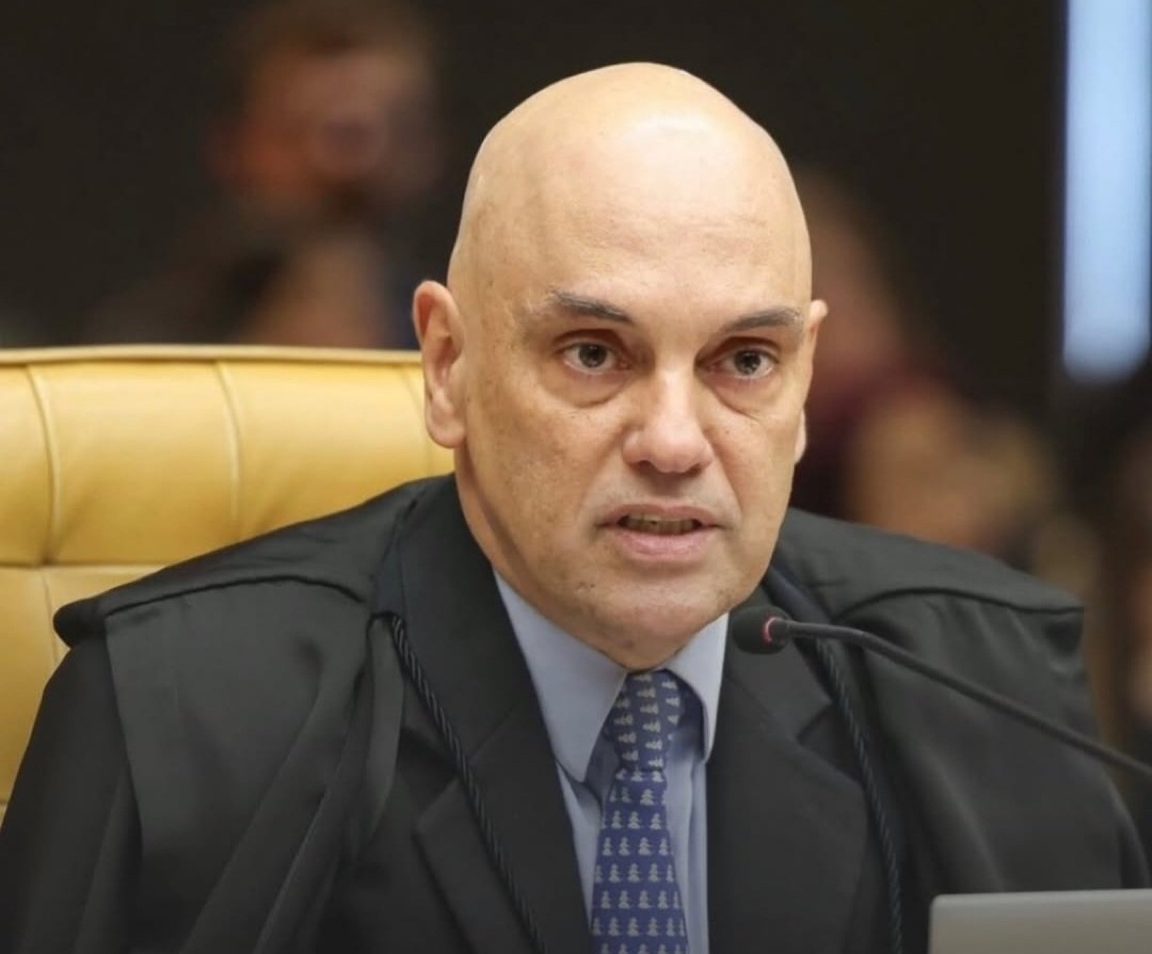
From Censor-in-Chief to Suspect-in-Chief: The Banco Master Case Exposes Moraes’ Conflict of Interest
By Hotspotnews
The Banco Master scandal has exposed what many conservatives have long warned about: a dangerous concentration of power in Brazil’s Supreme Federal Court (STF), where Justice **Alexandre de Moraes** stands as a central figure. What began as a massive financial fraud—potentially the largest in Brazilian history—has now revealed troubling ties between Moraes, the bank’s owner Daniel Vorcaro, and a web of influence that smells of cronyism, conflict of interest, and possible obstruction of justice.
At the heart of the controversy is a staggering contract worth approximately **R$129 million** (around $25 million USD) awarded by Banco Master to the law firm owned by Moraes’ wife, Viviane Barci de Moraes. This deal, spanning multiple years, raises immediate red flags. How can a sitting Supreme Court justice—who wields enormous authority over legal and political matters—remain impartial when his own household benefits so handsomely from a banker now accused of orchestrating a multibillion-dollar fraud scheme involving fake credit securities and risky operations that ultimately led to the bank’s collapse and liquidation in late 2025?
Even more alarming are the revelations from Federal Police forensic analysis of Vorcaro’s seized phone. Messages exchanged via WhatsApp on the very morning of Vorcaro’s November 2025 arrest show the banker urgently asking Moraes if he had managed to “block” something—possibly referring to impending legal action or regulatory intervention. Moraes reportedly replied with disappearing messages (using ephemeral features to evade permanent records), a tactic that only fuels suspicion of attempts to conceal improper contact. While Moraes has denied receiving or sending such communications—dismissing reports as fabrications—the forensic evidence linking the exchanges to his number cannot be easily waved away.
This is not isolated. Reports indicate Vorcaro and Moraes met personally at least twice in 2025, including at the banker’s residence, and that Vorcaro had contacts saved under names tied to the Moraes family. Additional scrutiny has fallen on documents, including a compliance code allegedly drafted by a relative of Moraes for the bank, which critics describe as poorly written, plagiarized in parts, and suspiciously lenient on reporting irregularities—hardly the rigorous ethical standard one would expect from such a lucrative arrangement.
Conservatives see this as the latest chapter in a broader pattern. Moraes has built a reputation for aggressive use of judicial power—censoring speech, blocking platforms, and targeting political opponents—often under the banner of defending democracy. Yet when personal or familial financial interests appear intertwined with a fraud case shaking Brazil’s financial system, the selective application of accountability becomes glaring. The same justice who demands transparency and swift action against others now faces credible questions about his own conduct, yet the institutions he influences seem reluctant to pursue full scrutiny.
Calls for impeachment are growing louder. Opposition figures, including governors and lawmakers from parties like Novo, have filed formal requests citing crimes of responsibility, influence peddling, and clear conflicts of interest. Public outrage is mounting as Brazilians witness yet another example of elite impunity: while ordinary citizens face harsh consequences for far lesser offenses, those at the pinnacle of power appear shielded.
This scandal is bigger than one judge or one failed bank. It strikes at the core of trust in Brazil’s institutions. When a Supreme Court justice’s family profits enormously from a fraudster, when urgent messages fly back and forth on the day of an arrest, and when disappearing messages obscure potential wrongdoing, the rule of law itself is undermined.
True conservatives demand accountability without exception. No one—not even those who cloak themselves in the robes of justice—should be above investigation. The Brazilian people deserve a judiciary that serves the Constitution, not personal networks. Anything less erodes the foundations of a free and fair republic. The time has come for the Senate and the Attorney General’s Office to act decisively. Impartial justice must prevail, or the credibility of Brazil’s highest court may never recover.