


By the Hotspotorlando news
As of February 20, 2025, the political situation in Brazil is complex and tense, marked by deep polarization, institutional challenges, and ongoing legal and economic pressures. While it is not on the brink of collapse, several factors contribute to a situation that many observers view as grave, though the severity depends on one’s perspective—whether focusing on democratic stability, economic consequences, or social unrest.
The country remains sharply divided between supporters of President Luiz Inácio Lula da Silva, who returned to power in January 2023 after a narrow victory in the 2022 election, and those of former President Jair Bolsonaro, whose influence persists despite legal setbacks. Lula’s administration faces significant hurdles: his approval ratings have reportedly declined amid rising inflation and economic strain, with the Brazilian real weakening significantly in 2024 due to concerns over public finances. Efforts to stabilize the economy through spending cuts and fiscal reforms have met resistance in a fragmented Congress, where Lula struggles to build coalitions. This economic unease amplifies political friction, as public discontent grows over issues like unemployment and cost of living.
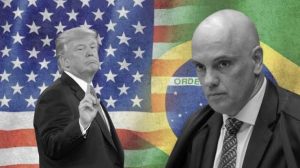
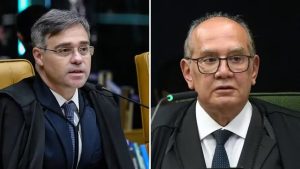
Bolsonaro, barred from running for office until 2030 due to electoral court rulings over his unfounded attacks on Brazil’s voting system, faces fresh charges as of February 19, 2025, for allegedly plotting to overturn his 2022 election loss. This follows a two-year federal police investigation into his role in the January 8, 2023, storming of government buildings by his supporters—an event echoing the U.S. Capitol riot. Over 1,600 people have been charged in connection to this, with 284 convicted, though a congressional push for amnesty highlights lingering divisions. The Supreme Court’s expected ruling on these coup allegations in 2025 could further inflame tensions, especially if Bolsonaro’s allies rally around him, bolstered by Donald Trump’s recent U.S. victory energizing Brazil’s far-right.
Democratic institutions, while resilient in rejecting overt authoritarian moves, are under strain. Lula’s government has taken steps to restore stability—reducing Amazon deforestation and asserting Brazil’s global role via BRICS leadership—but faces accusations of overreach, such as the temporary suspension of X in 2024 over content moderation disputes. Critics, particularly Bolsonaro supporters, argue that opposition figures are being unfairly targeted, likening Brazil to Venezuela. Meanwhile, political violence remains a concern, with 338 cases, including 33 killings, reported before the 2024 municipal elections.
On the flip side, some argue the situation, while serious, reflects a functioning democracy grappling with its challenges. The peaceful 2022 power transition, robust judicial response to the January 8 riots, and competitive municipal elections suggest institutional strength. Polarization, though intense, has calmed somewhat since 2022, with leaders like Lula and São Paulo Governor Tarcísio de Freitas showing pragmatic cooperation.
Search AI, X, TELEGRAM