





London Court Puts Brazilian Judicial Overreach in Its Place
By Hotspotnews
A British judge has delivered a quiet but firm rebuke to Brazil’s Supreme Court, ruling that evidence from the landmark Lava Jato anti-corruption investigation can still be used in a United Kingdom asset recovery case despite efforts by Brazilian justices to erase it.
Judge Mark Weekes of the Southwark Crown Court decided that the Serious Fraud Office may continue relying on materials shared years ago under a formal mutual legal assistance treaty. The case involves Mario Ildeu de Miranda, a former Petrobras engineer whose accounts holding roughly $8 million were frozen after evidence linked the funds to the massive bribery and money-laundering scheme that once rocked Brazil’s political and business establishment.
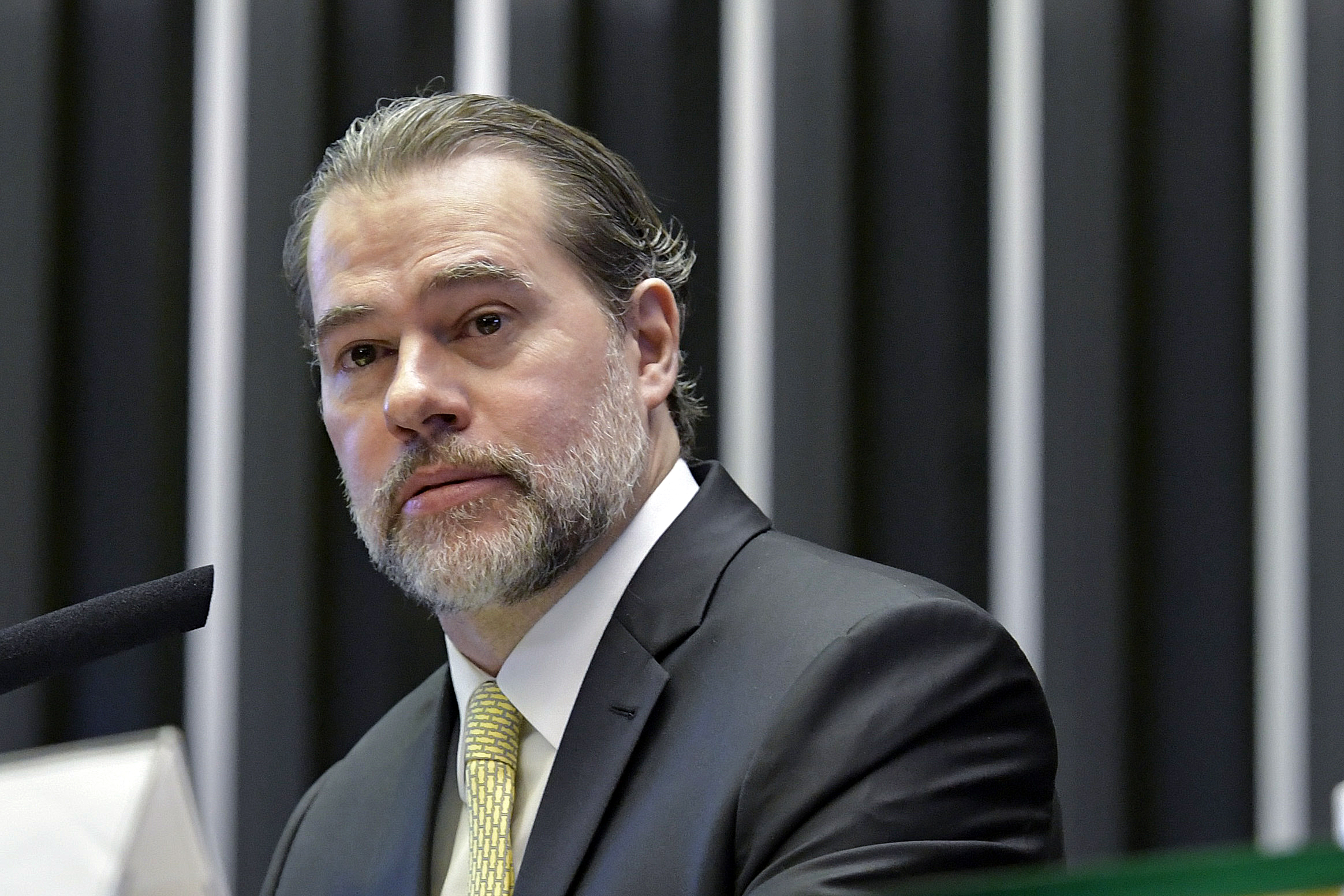
The Brazilian Supreme Court had previously annulled Miranda’s convictions, citing jurisdictional issues with the original Curitiba court. In March of this year, Justice Dias Toffoli went further, nullifying the very authorization that had allowed Brazilian authorities to share the case file with British investigators. Toffoli’s move was part of a broader pattern in which the Court has dismantled key elements of Lava Jato, an operation that recovered billions, secured dozens of convictions, and exposed how state-owned enterprises were systematically looted to finance political machines.
Judge Weekes was unimpressed. He described the retroactive revocation of lawfully shared evidence as “highly unusual” in the experience of his court and of the lawyers involved. The material had been provided and received in good faith under an international treaty. Britain, he noted, has clear domestic and international obligations to combat money laundering. The substantial sums at stake and the public interest in preventing dirty money from finding safe harbor outweighed arguments that the Brazilian nullification should force British authorities to abandon the evidence.
This ruling matters. Lava Jato was never perfect—no large-scale investigation is—but it represented one of the most serious efforts in Latin American history to confront entrenched corruption. It revealed how construction giants paid politicians and Petrobras executives for contracts, how campaign finance was polluted with stolen public money, and how ordinary Brazilians ultimately footed the bill through higher costs and weaker institutions. The subsequent campaign to unwind those results, often through creative jurisdictional arguments and sweeping nullifications, has sent a clear signal: powerful interests can expect relief if they wait long enough and cultivate the right connections in Brasília.
Foreign courts are under no obligation to rubber-stamp that outcome. The United Kingdom’s Proceeds of Crime Act exists precisely to stop criminals from parking illicit gains in London banks, regardless of what happens later in the source country. By refusing to treat a unilateral Brazilian revocation as binding on British proceedings, Judge Weekes upheld a basic principle of sovereignty and reciprocity. Countries share evidence in good faith; they should not later be able to yank the rug out from under foreign investigators simply because domestic politics have shifted.
Critics of Lava Jato will claim the British decision ignores due process concerns or alleged abuses in the original Brazilian probes. Those concerns deserve scrutiny where evidence supports them. But nullifying entire categories of evidence years after the fact, and then demanding that foreign partners discard what was already lawfully transferred, looks less like careful correction and more like selective amnesia. Money laundering does not become clean simply because a domestic court changes its mind about procedure.
The Southwark ruling will not restore Lava Jato’s full legacy inside Brazil. That fight continues in Brazilian institutions. What it does demonstrate is that the international system still contains courts willing to prioritize the fight against corruption over the latest domestic judicial fashion. For anyone who believes that public money belongs to the public rather than to connected elites, that is a welcome development.
Accountability does not stop at the border. London has reminded Brasília of that fact.


