


Lula’s Alliance with Moraes Threatens Brazil’s Freedom in the Final Stretch ‘
By Hotspotnews
As Brazil heads into the decisive October 25 runoff, the warning from ordinary citizens has grown sharper: another term for President Luiz Inácio Lula da Silva risks locking in a deeper erosion of institutional independence and individual liberty. The latest flashpoint is the ongoing Banco Master scandal surrounding Supreme Federal Court Justice Alexandre de Moraes, which Flávio Bolsonaro has used to argue that Lula’s political machine is actively shielding a justice already under intense scrutiny.
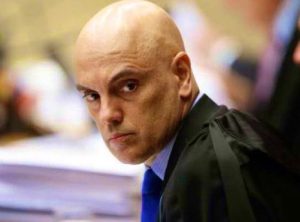
Moraes, long criticized by the right for expansive inquiries into online speech and opposition figures, faces questions over contacts with banker Daniel Vorcaro. Federal Police materials have shown messages between the two, a multimillion-real contract with the law firm of Moraes’s wife, and indications that Moraes reviewed or edited related drafts. The Supreme Court itself has been paralyzed by internal disputes over whether and how to investigate one of its own members. Lula’s appointees, including Justice Flávio Dino, have been accused by the opposition of delaying proceedings, a dynamic Flávio has labeled a “shock troop” defense of Moraes.
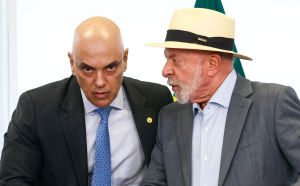
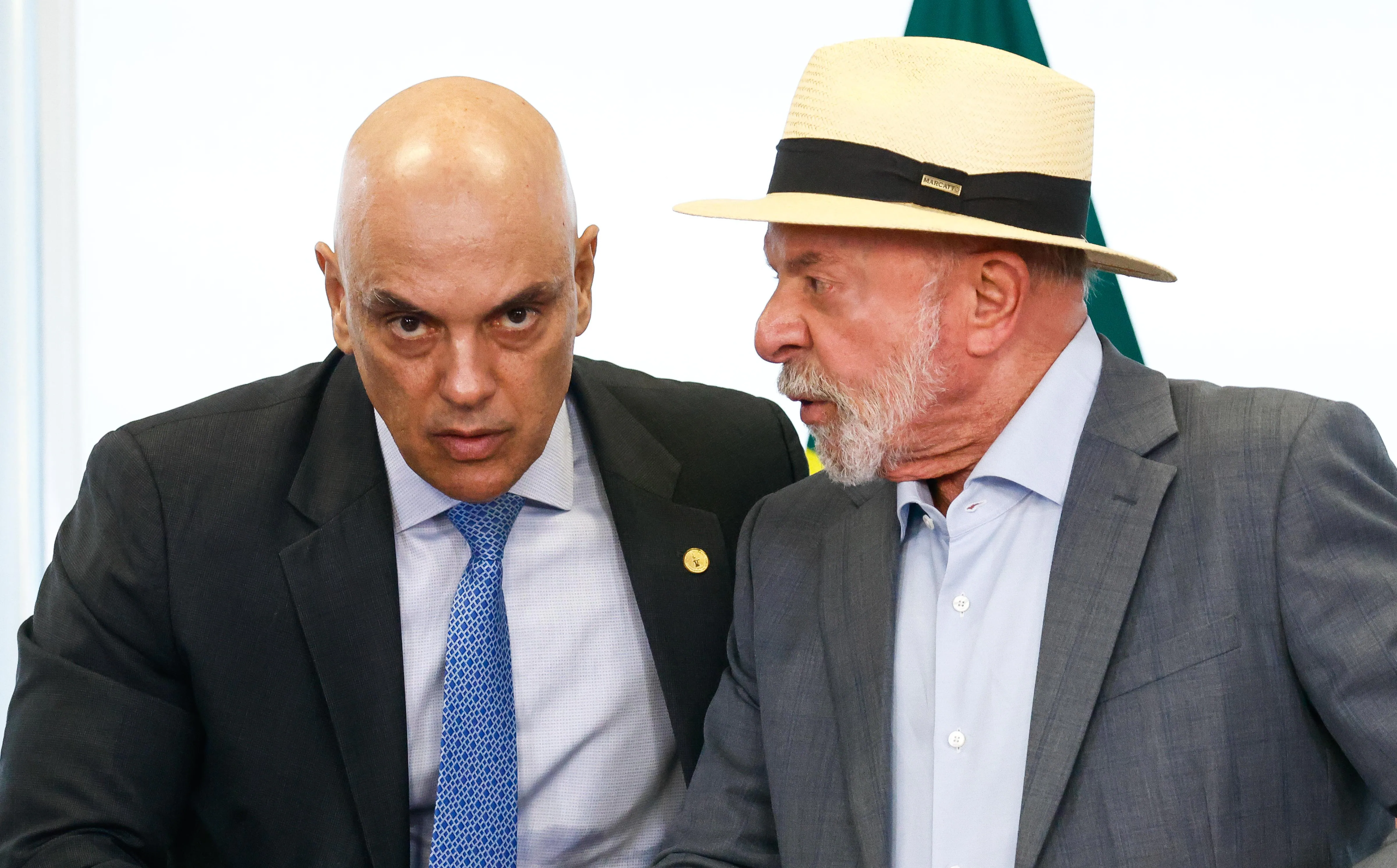
Lula has responded by praising Moraes for his role in cases involving former President Jair Bolsonaro and the January 8 events, while insisting he did not appoint the justice and that any wrongdoing should be investigated. Critics view the praise as confirmation of a symbiotic relationship: the executive relies on the court for political outcomes, and the court expects protection from electoral consequences. In campaign appearances, Flávio has repeatedly framed the choice as “who votes for Lula votes for Moraes,” promising that a change in government would allow new appointments and restore credibility to the judiciary.
The first-round results—Flávio ahead by roughly two points—showed that these institutional concerns resonated with a large share of the electorate. Supporters of the opposition argue that continued concentration of power between the presidency and a justice viewed as activist threatens free expression, due process, and the separation of powers. They point to years of content removals, account suspensions, and high-profile investigations as evidence that the current equilibrium already constrains open debate. For them, the Master scandal is not an isolated financial matter but further proof that personal and political interests have blurred the lines between the branches of government.
Whether these warnings amount to an irreversible loss of freedom remains a matter of political judgment. What is clear is that the runoff will test whether voters prioritize continuity with the existing institutional arrangement or a decisive break aimed at rebalancing power. In the final weeks, the opposition is betting that the combination of the Moraes controversy and broader frustration with judicial overreach will prove decisive.
#BrazilElections2026 #LulaMoraes #FlavioBolsonaro #STFCrisis #BancoMaster #FreedomOfSpeech #BrazilPolitics
Sources: InfoMoney reporting on Flávio’s Joinville remarks (September 2026); O Globo and Valor coverage of Lula’s statements defending Moraes while calling for investigations (September 2026); CNN Brasil and Reuters accounts of Flávio’s campaign linkage of Lula to Moraes (September 2026); Wikipedia summary of the 2026 Brazilian general election first-round results; Gazeta do Povo and related reporting on Moraes-Vorcaro contacts and contracts.


