



Lula’s Awkward G7 Moment Exposes the Limits of Leftist Global Theater
By Hotspotnews
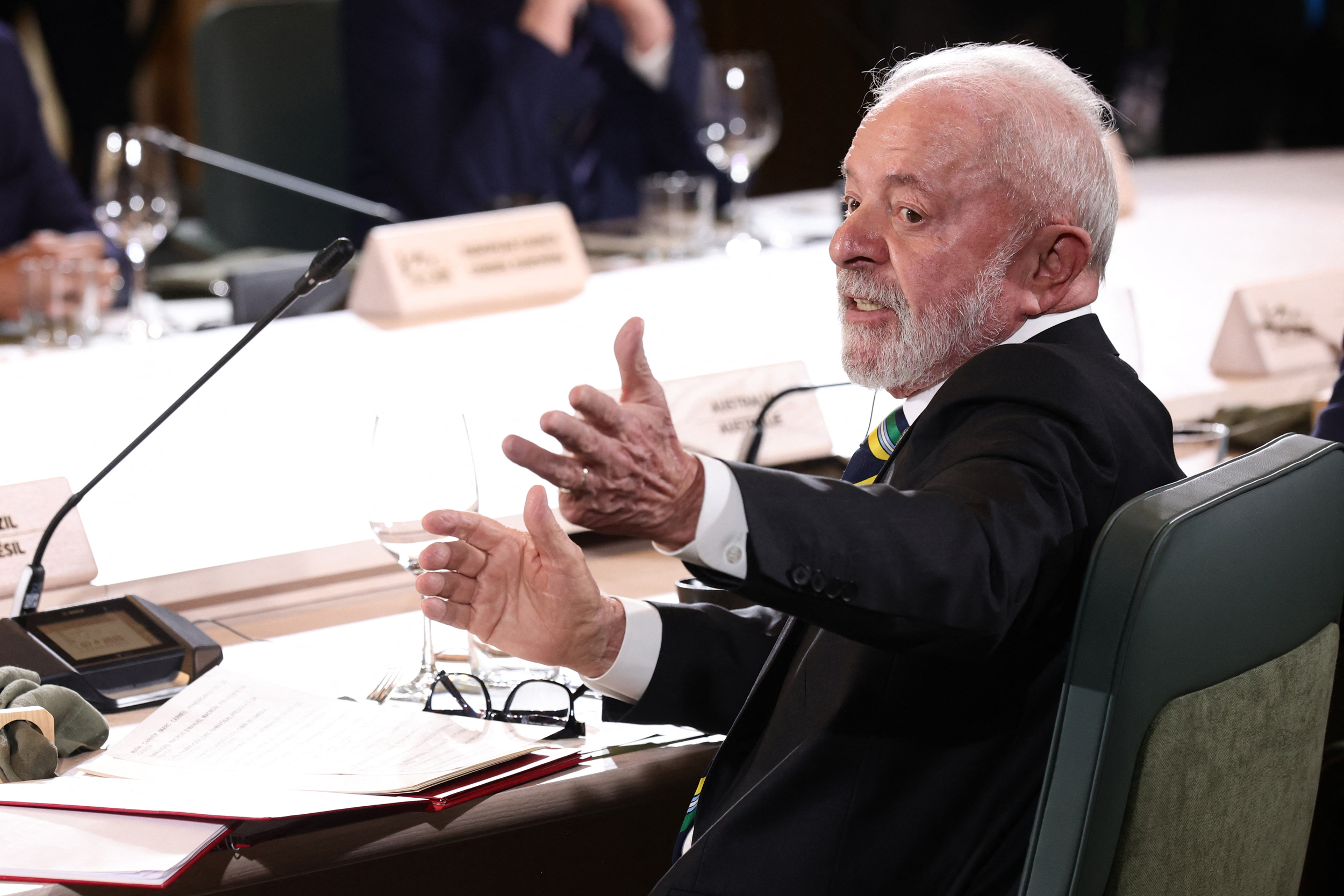
At the 2026 G7 Summit in Évian-les-Bains, France, Brazilian President Luiz Inácio Lula da Silva delivered a performance that perfectly encapsulated why so many view him as a relic of outdated socialist diplomacy. Caught on a hot mic scolding his own foreign minister and aides for arriving too early to a nearly empty meeting room, Lula fumed and waved papers like an irritated school principal. Watch the viral clip here: https://x.com/FranciscoJ63/status/2067248817334878253
The 80-year-old leader looked small—not just in physical stature, but in relevance—amid the gathering of the world’s leading economies. While the core G7 leaders—Trump, Macron, and their counterparts—commanded the main stage with discussions on trade wars, security threats, and real power plays, Lula hovered on the periphery as an invited guest. Brazil’s economy matters, no doubt, but Lula’s presence felt like an afterthought. Standing shoulder-to-shoulder (or rather, shoulder-to-chest) with taller, more imposing figures, the optics were unflattering. In group photos and session footage, he appeared diminished—a “midget” in the metaphorical sense, dwarfed by leaders tackling substantive global challenges rather than grandstanding for domestic applause.
This isn’t mere appearance. Lula’s petulance in the leaked moment reveals a man accustomed to deference in Brazil’s polarized politics but out of his depth on the world stage. After years of pushing for more foreign aid, UN reforms, and anti-Western rhetoric from BRICS platforms, his contributions at Évian amounted to recycled talking points on Global South grievances. European hosts like Macron rolled out the red carpet for diplomatic reasons—commodities, climate optics, and Mercosur trade ambitions—but few illusions exist about Lula’s domestic baggage. Corruption scandals from the Petrobras era, economic mismanagement, and a habit of cozying up to authoritarian regimes have left him a divisive figure at home, where approval ratings hover in the middling range and voters eye the 2026 election with fatigue.
Contrast this with Jair Bolsonaro’s tenure. Snubbed by G7 outreach invites amid Amazon disputes and climate clashes, Bolsonaro focused on bilateral deals with like-minded partners, especially the United States under Trump. No hot-mic tantrums or desperate relevance-seeking. Bolsonaro’s approach prioritized sovereignty over supranational photo-ops, a stance conservatives recognize as more aligned with national interests than Lula’s multilateral begging.
The broader lesson from Lula’s G7 showing is clear: leftist icons thrive on narrative and nostalgia—lifting millions via social programs in his earlier years—but falter when results demand accountability. High debt, fiscal recklessness, and identity-driven foreign policy don’t impress in rooms where leaders discuss tariffs, energy security, and deterring real adversaries. Lula’s early arrival blunder and diminished frame symbolize a fading ideology: one that lectures the West while delivering uneven governance at home.
As the summit wraps with concrete outcomes from the heavyweights, Lula returns to Brasília with the same problems he arrived with. In an era of renewed national realism, gestures and grievances aren’t enough. Voters and allies alike are noticing—and the optics don’t lie.
Video Source Metropoles


