




TSE Takes a Step Toward Fairness: Restoring Due Process in Brazil’s Electoral Court
By Hotspotnews
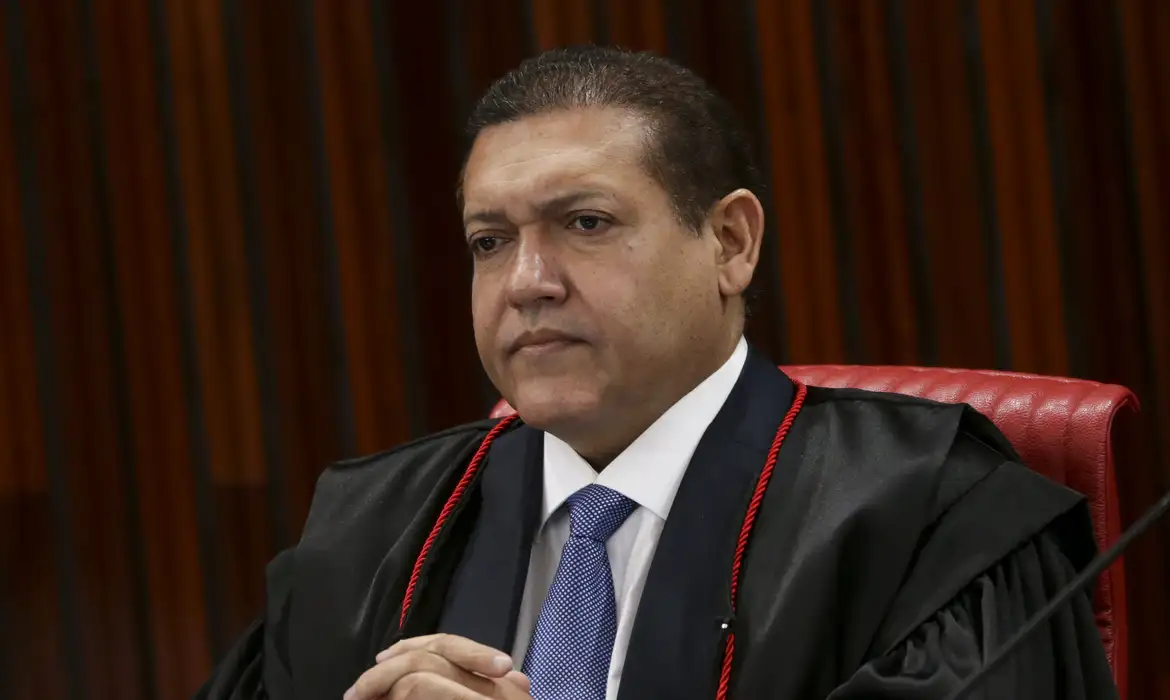
In a quiet but significant move, Brazil’s Superior Electoral Court (TSE) has begun correcting some of the excesses of the past. Minister Kassio Nunes Marques, the current president of the TSE, has reversed a 2022 restriction imposed under then-President Alexandre de Moraes that had effectively silenced lawyers during the review of individual, monocratic decisions. The full bench approved the change on June 9, 2026, during a session addressing a contentious public opinion poll.
This procedural adjustment is more than bureaucratic housekeeping. It represents a welcome return to basic principles of adversarial justice in a court that, in recent years, has too often operated through one-man rulings that bypassed robust debate. Under the previous rules, attorneys were largely barred from oral arguments when the plenary reviewed urgent decisions made by a single minister. That limitation tilted the scales toward rapid, centralized power—precisely the kind of judicial activism that drew widespread criticism during the 2022 election cycle.
The timing of this reform is telling. It occurred amid discussion of a request by Senator Flávio Bolsonaro (PL) to suspend dissemination of an Atlas/Bloomberg poll that his campaign argued contained biased question sequencing. The poll allegedly primed respondents with negative stimuli before measuring voting intentions, a common tactic critics say distorts results and influences public perception. Minister Nunes had issued a monocratic injunction halting the poll’s release, citing concerns over methodological neutrality. When the matter reached the full court, the restored right to oral argument allowed Flávio’s legal team to present its case directly.
This is exactly how an impartial electoral body should function. Candidates and parties—especially those challenging establishment narratives—deserve the opportunity to contest what they view as manipulative polling practices in real time. Supporters of greater transparency see this as a defense of electoral integrity rather than censorship. In an era where public opinion polls can shape momentum, funding, and voter psychology months before an election, ensuring they meet minimum standards of fairness is not authoritarianism; it is responsible oversight.
A Shift Away from Moraes-Era Centralization
The 2022 restriction under Minister Moraes had become emblematic of a broader pattern: swift monocratic orders on content, investigations, and electoral matters with limited immediate recourse. Critics across the political spectrum, but particularly on the right, argued that such practices concentrated disproportionate power in one or two justices and chilled legitimate political speech. Restoring oral arguments does not eliminate the TSE’s authority—it simply ensures that when individual decisions are examined by the full court, both sides have a meaningful voice.
President Nunes, alongside Vice President André Mendonça, has signaled a more measured and collegial approach to the court’s work. This stands in contrast to the high-profile, often confrontational style that defined the previous administration of the TSE. While mainstream media outlets have been quick to frame poll suspensions as attacks on “freedom of expression,” conservatives rightly point out that true freedom includes protection against deceptive or weaponized research designed to damage specific candidates.
The Atlas/Bloomberg case highlights the issue. If a poll introduces loaded references—such as controversial audio recordings—before asking about voting preferences, it risks functioning more as persuasion than measurement. Allowing legal teams to challenge such methods in open session strengthens public confidence that the electoral process is not being gamed.
Implications for the 2026 Campaign
With Brazil heading into another presidential election season, this procedural reform could have ripple effects. It may encourage more challenges to questionable polling practices, social media restrictions, and campaign regulations. That is a net positive for democratic competition. Parties on the right, long skeptical of institutions perceived as tilted against them, may find greater room to maneuver and defend their positions without facing summary judgments.
Of course, not everyone welcomes this development. Those accustomed to the previous model of swift judicial intervention have already begun portraying the change as opening the door to chaos or delay. Yet experience shows that genuine due process rarely harms fair outcomes; it usually prevents abuses. A slower, more deliberate TSE that hears arguments from all parties is far preferable to one that issues sweeping orders with minimal scrutiny.
This decision does not solve every problem in Brazil’s polarized political environment. Deep questions remain about judicial overreach, the balance between regulation and liberty, and the role of big tech and polling firms in shaping democracy. But restoring the right of lawyers to speak when the court reviews its own urgent decisions is a constructive first step—one that prioritizes procedure, fairness, and institutional humility over raw power.
In a country still healing from years of institutional tension, small corrections like this matter. They signal that the rules can evolve toward greater balance rather than permanent centralization. For supporters of limited government and electoral integrity, Minister Nunes’ move deserves measured applause. Brazil’s democracy functions best when its institutions remember they exist to serve the voter—not to steer the vote.


