


The Master Scandal Reaches the Heart of Lula’s Government
by Hotspotnews
What began as a financial collapse at Banco Master has now exposed a web of influence that stretches deep into the highest circles of President Luiz Inácio Lula da Silva’s administration. Recent Federal Police findings, released after secrecy was lifted, show that even the Advogado-Geral da União, Jorge Messias, has been drawn into the orbit of this unfolding case. For Brazilians who value accountability and limited government, this is not just another episode of alleged wrongdoing. It is further confirmation that power under the current Workers’ Party leadership continues to blur the lines between public duty and private favor.
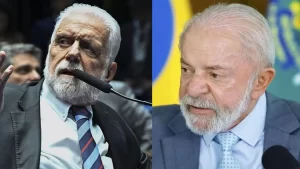
At the center stands Senator Jaques Wagner of Bahia, long regarded as one of Lula’s most trusted allies and a former government leader in the Senate. Police documents detail an extensive pattern of contacts between Wagner and figures linked to the failed Banco Master, including its former controller Daniel Vorcaro and ex-partner Augusto Ferreira Lima. Investigators point to dozens of phone calls, the use of private aircraft, discussions around luxury real estate, and legislative efforts that aligned with the bank’s interests. One particularly striking detail involves Vorcaro’s own messages instructing extreme discretion around a flight that may have carried the senator—language that included orders not even to shut off the engines and to use an obscure hangar.
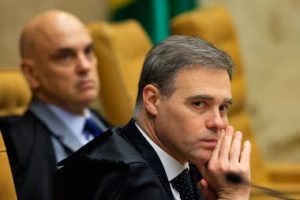
Now the reports go further. In April 2024, Wagner is recorded arranging a discreet meeting in his Senate office involving Lima and a person he referred to as “Messias.” Federal Police investigators interpret this as a reference to Jorge Messias, the current head of the Advocacia-Geral da União. Wagner’s audio message discusses adjusting the schedule because the president had summoned Messias and emphasizes the need for a protected, low-profile location. After the proposed time, records indicate contact information involving Messias was added in a relevant chat. Messias has denied ever attending any such meeting. That denial must be taken seriously, yet the mere appearance of the nation’s top government lawyer in these materials raises legitimate questions about the reach of influence networks surrounding the Master group.
Conservatives have long warned that concentrated political power invites exactly this kind of entanglement. When a government treats key institutions as extensions of party loyalty rather than independent guardians of the public interest, the incentives for favoritism grow. The Master affair illustrates the problem: a bank with aggressive political outreach across the spectrum, yet particularly damaging revelations involving a senior figure close to Lula and now a possible link to one of his highest appointees. Ordinary Brazilians who lost savings or watched institutions strained by the bank’s failure deserve clear answers, not carefully worded denials and institutional stonewalling.
This is not about criminal guilt, which only courts can determine. It is about patterns of behavior and the erosion of public trust. When a senator treated as a government leader maintains such intensive private contacts with executives of a troubled financial institution, and when those contacts appear to extend toward the Advocacia-Geral da União, citizens have every right to demand transparency. The lifting of secrecy was a necessary step. Full and swift investigation, free of political interference, must follow.
Brazil needs institutions strong enough to resist the gravitational pull of power and money. The current revelations around the Master case, Wagner, and the naming of Messias serve as a reminder that vigilance remains essential. Those who hold high office should welcome the light of scrutiny rather than treat it as an inconvenience. Only then can the country move closer to the standards of integrity that a free people deserve.


