

Lula’s Disapproval Hits a New Low: A Sign of Brazil’s Fractured Future
By Hotspotnews
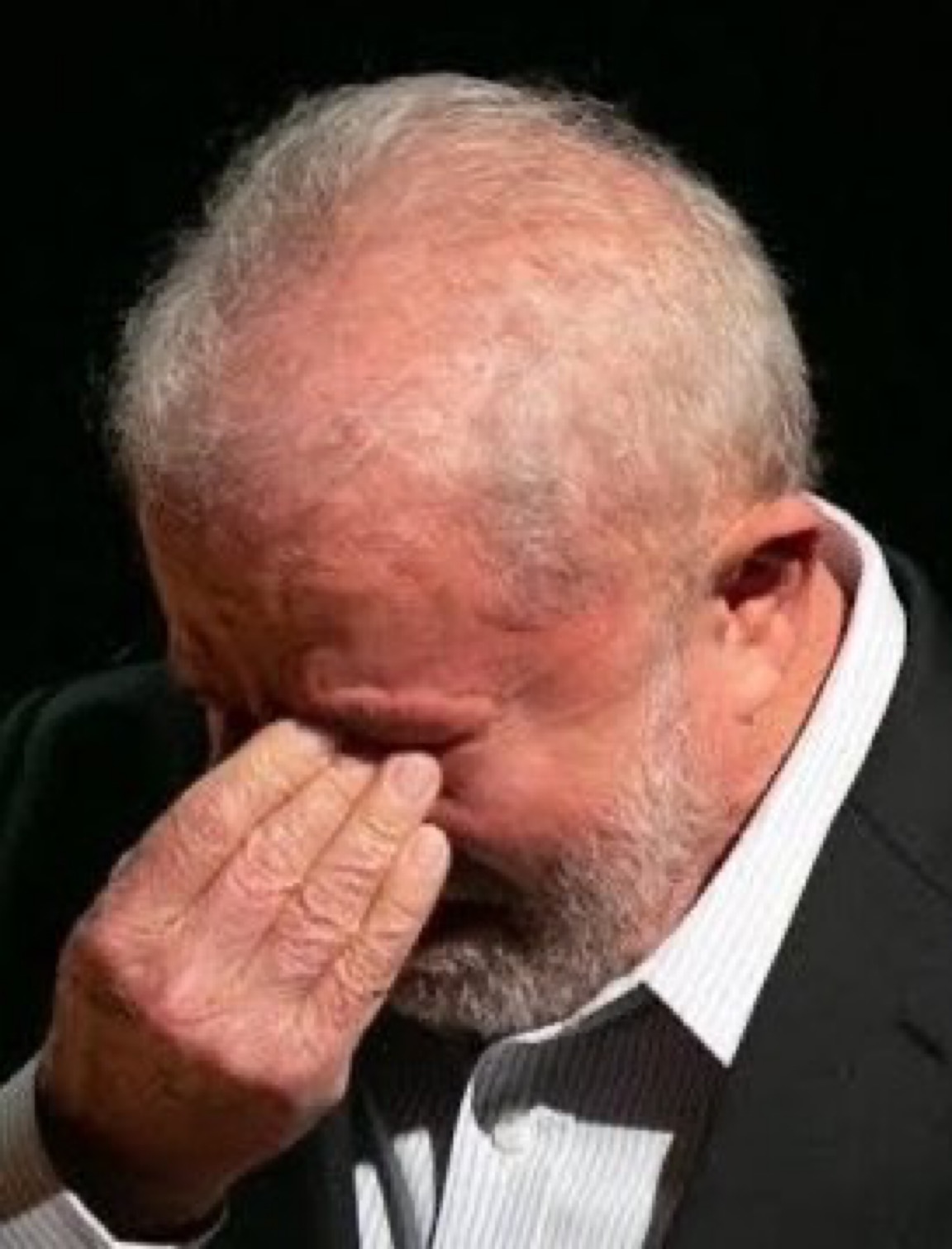
As of this morning, September 8, 2025, the political landscape in Brazil has taken another sharp turn, with reports indicating that President Luiz Inácio Lula da Silva’s disapproval rating has plummeted to a staggering 56% in São Paulo, according to the latest Paraná Pesquisas poll. This marks a troubling new low for a leader once hailed as a champion of the working class, reflecting a nation increasingly disillusioned with his leadership. The image of Lula, hands clasped in what appears to be a gesture of desperation, paired with a cracked Brazilian flag, paints a vivid picture of a country on the brink—divided, strained, and teetering under the weight of failed policies.
For conservatives who have long questioned Lula’s return to power, this development is hardly surprising. His administration, now in its third non-consecutive term, has struggled to deliver on promises of prosperity, instead presiding over an economy battered by external shocks and internal mismanagement. The recent imposition of 50% tariffs by the United States on Brazilian exports—targeting key industries like beef and manufacturing—has dealt a severe blow to jobs and livelihoods. This economic fallout, tied in part to the lingering legal troubles of Jair Bolsonaro, has only intensified scrutiny on Lula, whose government seems ill-equipped to navigate the crisis. For many, the tariffs are a wake-up call, exposing the fragility of Brazil’s global standing under his watch.
The roots of this discontent run deeper than recent trade disputes. Lula’s legacy is marred by the shadow of Operation Car Wash, a sprawling corruption scandal that exposed systemic graft within his Workers’ Party. While the left may argue these are old wounds, the public’s memory is long, and the perception of unaddressed corruption continues to erode trust. São Paulo, a powerhouse state with a third of Brazil’s voters, has turned its back on Lula with a 63.1% disapproval rate in May’s polling, a figure that the new 56% suggests has held or worsened. This rejection in a region known for its industrious spirit is a clear signal that the tide has turned against the socialist policies that once defined his appeal.
Commentary on social platforms reflects a growing frustration, with citizens decrying Lula as out of touch and ineffective. Remarks likening his decline to a melting popsicle or calling for even higher disapproval rates—up to 70%—underscore a sentiment that his leadership is crumbling. Conservatives see this as validation of their long-held view that Lula’s return in 2023 was a step backward, reviving an era of big government and economic stagnation. The cracked flag imagery circulating online is a powerful metaphor: a nation fractured by policies that prioritize ideology over practical governance.
Looking ahead, this disapproval surge could reshape the 2026 election landscape. With Lula’s popularity at its lowest ebb, the opposition has a golden opportunity to rally around a platform of economic renewal and accountability. The conservative movement must seize this moment to advocate for free-market reforms, reduced government overreach, and a return to the principles that once made Brazil a rising power. Lula’s faltering tenure serves as a cautionary tale: when leaders cling to outdated ideologies, the people eventually demand change. For Brazil, that change cannot come soon enough.
—
*Opinion piece written by a conservative perspective, reflecting the mood as of 10:48 AM EDT, September 8, 2025.*