


Lula’s “Lead” in a Poll Already Obsolete: Selective Polling Fuels Skepticism on the Right
By a conservative commentator | June 10, 2026
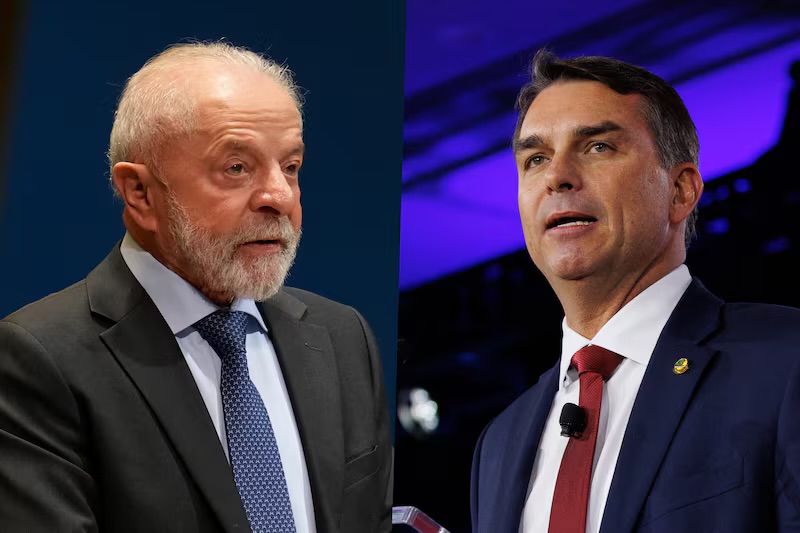
A new Genial/Quaest poll, released today by Poder360, claims President Lula holds a 44% to 38% advantage over Senator Flávio Bolsonaro in a hypothetical second-round matchup. On the surface, it looks like a win for the PT. But dig deeper, and the numbers tell a different story — one rooted in a snapshot taken during the height of a media-driven scandal that no longer fully reflects today’s reality.
The fieldwork for this survey ran from June 5 to June 8. That means the data was captured at the peak of negative coverage surrounding the so-called “Vorcaro affair.” Mainstream outlets hammered the story for days, and the poll inevitably absorbed that temporary noise.
The Real Issue: Selective Timing and Standard Procedure
Here’s the deeper concern many conservatives rightly raise: Why do institutes so often schedule and highlight head-to-head tests precisely when negative stories hit the right-wing candidate? Quaest openly announced they would measure reactions to the Vorcaro leaks — a routine “procedure” that conveniently focuses on the main matchup (Lula vs. Flávio) during moments of opposition vulnerability.
Yet when scandals or controversies involving Lula and the PT surface — economic discontent, allied corruption cases, or governance failures — the coverage and polling response often feels more diffuse, spread across monthly approval ratings rather than immediate, high-profile head-to-head shocks. This isn’t conspiracy, but it creates a clear perception of imbalance: the procedure itself tends to amplify declines for one side while treating the other’s challenges more gradually. A different institute’s poll (Gerp, early June) showed Flávio ahead, underscoring how sensitive these snapshots are to the exact window chosen.
Since the interviews ended, much has changed on the ground. Flávio and the broader conservative movement have continued mobilizing. Events like the Marcha para Jesus and joint appearances with figures like Tarcísio de Freitas signal real efforts to broaden appeal. These dynamics — plus ongoing base enthusiasm — are what short, event-timed polls simply cannot capture.
A Frozen Picture in a Fast-Moving Race
Look at the trend line: Flávio had been gaining ground earlier in 2026, closing the gap. The dip here coincides precisely with the media storm. Meanwhile, Lula’s government approval remains precarious (47% approve vs. 48% disapprove), with fertile ground for erosion as voters focus on the economy, security, and international pressures.
Rejection numbers matter too, but with four months until the first round, history shows Brazilian elections are volatile. Third-way candidates remain weak, pointing to a polarized contest where turnout and enthusiasm will decide everything.
This Quaest poll isn’t a verdict on 2026 — it’s a time capsule from a selectively timed news cycle. The real campaign is just beginning, and the Brazilian people are increasingly tired of the same old faces and broken promises from the left.
The momentum is shifting back where it belongs. Stay tuned.


