





Lula’s One-Card Proposal Exposes a Gap Between Reality and his Practice

By Hotspotnews
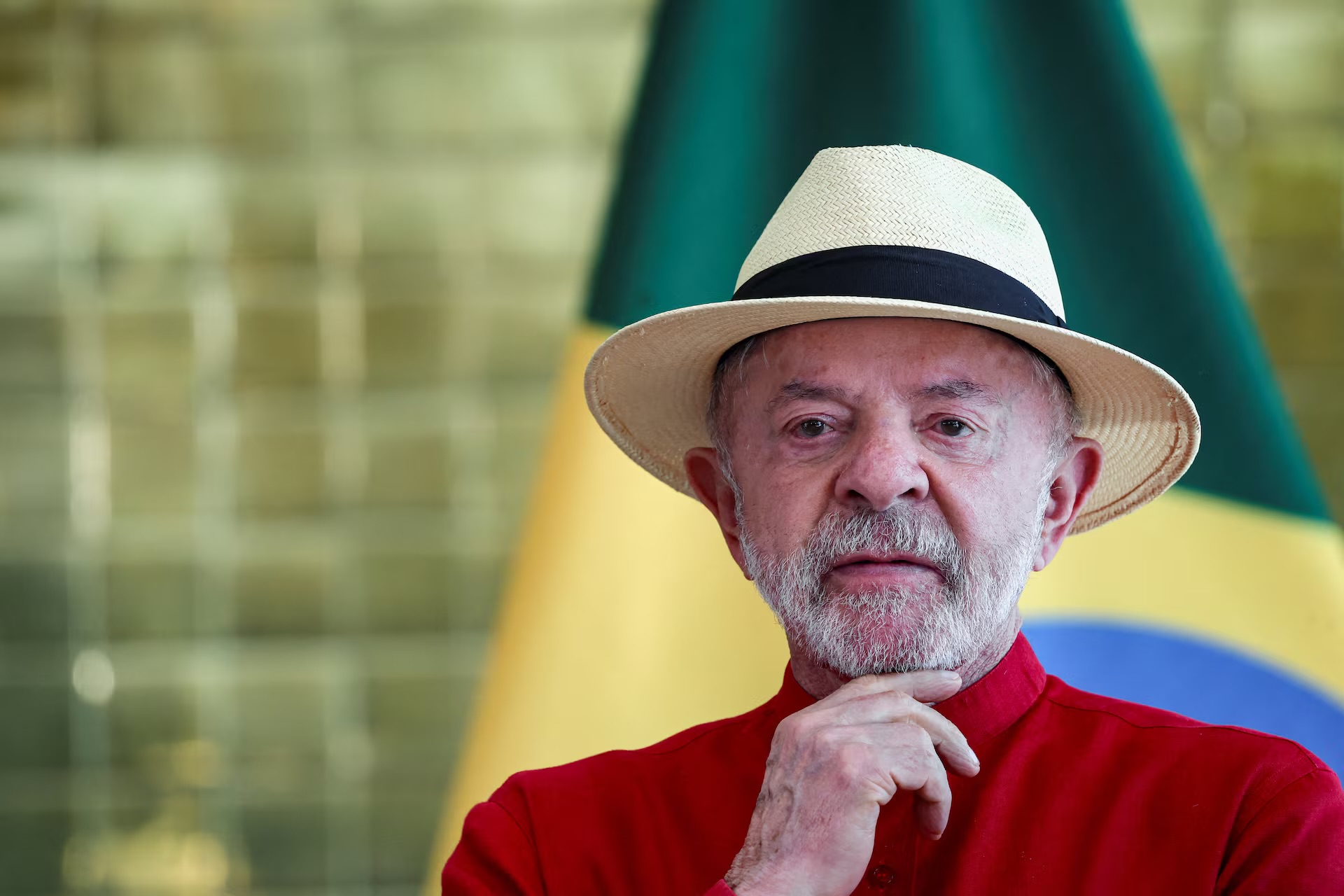
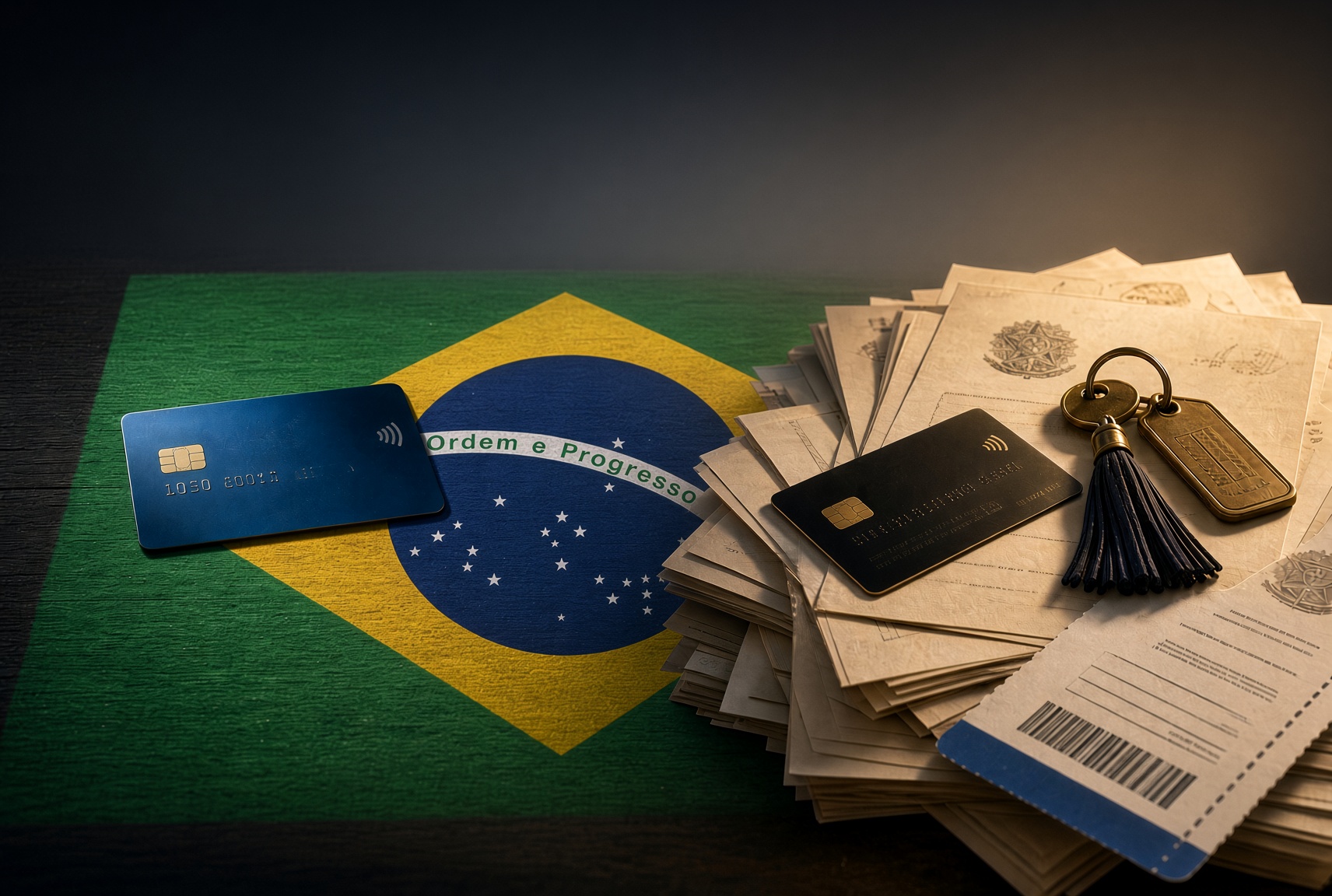
President Luiz Inácio Lula da Silva told the Flow Podcast on October 1, 2026, that his government is discussing with the Central Bank a ban on banks issuing more than one credit card per person. He described revolving credit interest rates near 450 percent a year as a “crime,” criticized institutions for mailing cards without request, and cited a case of four cards generating an R$80,000 debt. He framed the idea as part of an effort to “moralize” credit and stop irresponsible family indebtedness, days before the first round of the presidential election and alongside the Desenrola 3.0 debt-relief program.
The statement is narrower than some social-media versions claim. Lula did not announce the abolition of credit cards or the cancellation of cards already held. No draft rule, timeline, or Central Bank regulation has been published. He also left unspecified whether the limit would apply per bank or across the system, and what would happen to people who already hold multiple cards.
The sharper criticism concerns consistency. A president who urges restraint on private borrowing invites scrutiny of how public resources are used for official travel, hospitality, and support for the presidential household. Presidency corporate-card spending in the current term has reached tens of millions of reais by mid-2026 figures audited and reported from Transparency Portal data; inflation-adjusted comparisons place earlier Lula administrations higher, but the absolute sums remain large. International missions have included sizable delegations, premium flights, and high-end hotels. A 2025 trip to Japan involving Lula, Janja, and more than 200 people was reported at a minimum of R$4.5 million, with some accounting still incomplete weeks later. Early in the term the couple spent 36 days in a Brasília hotel at a cost of roughly R$217,000 while the official residence was renovated.
Claims that first lady Rosângela da Silva personally spent R$63 million have been rated misleading by fact-checkers. Those totals folded in full-delegation costs, a G20-related cultural event sponsored by state companies, and palace furniture that remains Union property. Specific individual outlays are smaller, yet transparency gaps persist: responses to information requests on certain trips, including New York in 2024, clarified air tickets and insurance but left lodging and meals incompletely documented.
Legal challenges continue. Popular actions filed by opposition figures question the public funding of Janja’s international travel to New York, Rome, Paris, and Russia, both with and without the president. A federal judge in September 2026 ordered the Attorney General’s Office to produce the legal basis for representing her. The Federal Court of Accounts has archived at least two representations, concluding that the missions examined showed no deviation of purpose and that the first lady’s role can be treated as one of public interest under existing norms and a 2025 decree. Those archival decisions do not erase the political question of whether the scale and opacity of official spending undercut lectures on private thrift.
The timing adds weight to the objection. The credit-card remarks arrived in the final stretch of a reelection campaign, paired with other high-visibility measures on betting and household debt. Voters can reasonably ask why limits on consumer credit are presented as moral necessity while official hospitality standards remain generous and, in places, poorly itemized. Supporters answer that institutional representation requires public funding and that prior governments followed similar practices. The records available so far show neither proven personal embezzlement nor a fully transparent accounting that would settle the consistency debate.
#Lula #CartaoDeCredito #GastosPublicos #Janja #BancoCentral #Eleicoes2026 #Transparencia
Sources: O Globo, Valor Econômico, Estadão, and UOL reports on the October 1, 2026 Flow Podcast interview; Estadão Verifica and Aos Fatos reviews of the “Janjômetro” figures (December 2024); Gazeta do Povo compilation of Presidency corporate-card data (July 2026); Lupa fact-check on aggregate travel totals (September 2026); CNN Brasil and court reporting on the popular action and AGU order (2025–2026); TCU archival decisions reported July 2026; Estadão reporting on the Japan mission costs (May 2025).


