



PF Director’s Rejection of Vorcaro’s Delation Raises Serious Questions About Transparency and Protection in the Master Bank Scandal
By Hotspotnews
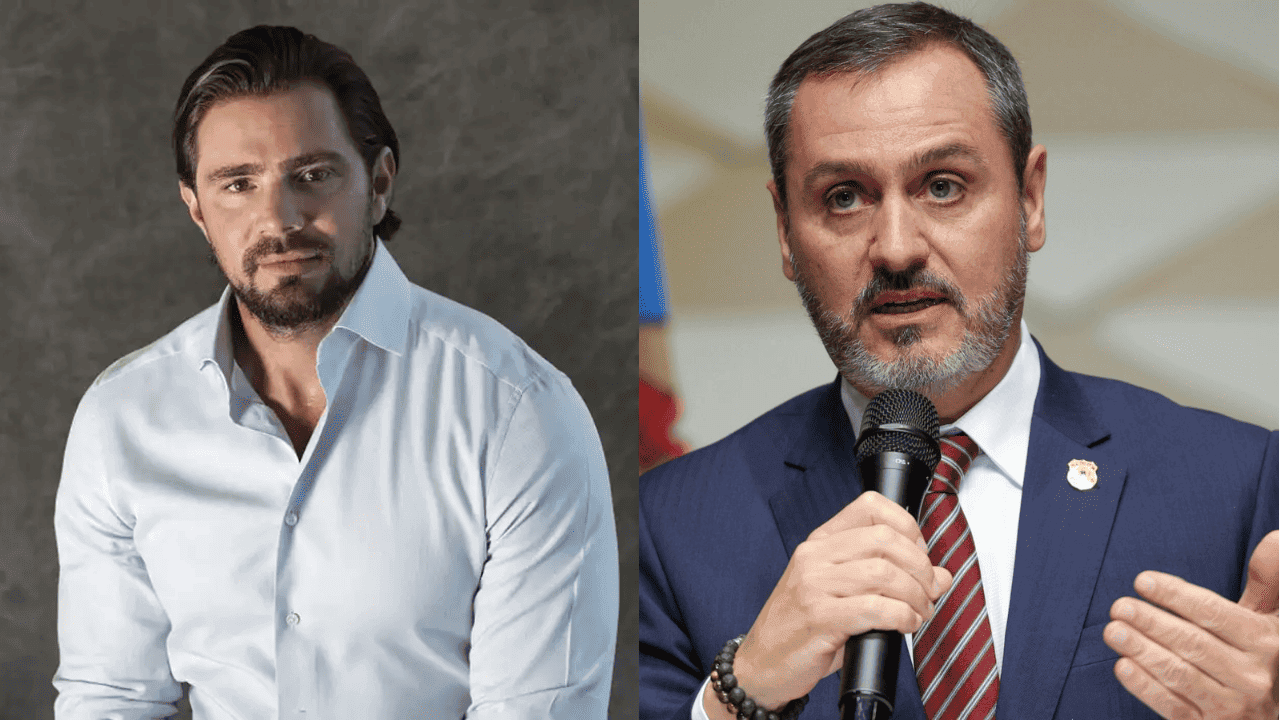
In a move that has fueled widespread skepticism across Brazil, the Director-General of the Federal Police (PF), Andrei Rodrigues, publicly declared on July 3, 2026, that there is “no technical interest” in accepting a plea bargain (delação premiada) from Daniel Vorcaro, the imprisoned former owner of Banco Master. Speaking during a meeting with journalists, Rodrigues emphasized that Vorcaro’s proposals fail to provide new elements or legal justification for collaboration, claiming much of the information is already known to investigators. This latest rejection—following earlier dismissals by both the PF and the PGR—comes amid one of the largest financial fraud investigations in Brazilian history and raises profound concerns about accountability, selective justice, and potential protection of powerful interests.
The Scale of the Master Scandal
Operação Compliance Zero, launched in late 2025, has exposed an alleged scheme of monumental proportions at Banco Master. Investigators accuse the institution of issuing fake credit titles, manipulating markets, laundering money, and diverting billions of reais through irregular operations involving pension funds, political figures, and possibly elements within the public sector. Vorcaro, arrested multiple times and currently held in Brasília, sits at the center of this web. The case has touched politicians from various parties, including allies of the current Lula administration, and has spotlighted troubling connections between finance, politics, and even the judiciary.
Vorcaro’s defense has attempted on multiple occasions to negotiate a leniency deal, offering details of his relationships with authorities across the three branches of government. Reports indicate these proposals referenced caixa dois (off-the-books) contributions, including substantial sums allegedly directed to campaigns of Lula government ministers such as Alexandre Silveira, as well as interactions involving congressional leaders, opposition figures, and at least one Supreme Court (STF) minister. One version of the proposal reportedly even addressed—and partially insulated—Minister Alexandre de Moraes regarding certain aspects of the investigation.
Repeated Rejections and the “Technical” Excuse
Despite revisions to his proposals, both the PF and the Attorney General’s Office (PGR) have rejected them. The official rationale: the information lacks novelty, sufficient corroboration, and concrete proof beyond what was already seized from Vorcaro’s devices and documents. Authorities stress the need for “added value” under Brazilian law—new evidence capable of advancing the probe, identifying fresh targets, or recovering significant assets.
Critics, however, see this as a convenient shield. Why, after months of negotiations and amid a massive fraud case, does the PF leadership declare “no technical interest” precisely when the delation touches sensitive political and judicial circles? The timing is particularly noteworthy following an internal PF scandal involving a perito (criminal expert) accused of leaking data from Vorcaro’s phone, including files labeled with the names of prominent STF ministers. This leak compromised the investigation’s integrity and exposed the handling of highly sensitive material.
Patterns of Protection?
Under the current administration, the Federal Police has faced repeated accusations of politicization. While the operation has targeted figures across the spectrum—including PT-linked politicians—the apparent reluctance to pursue Vorcaro’s full collaboration invites legitimate questions. Is the PF truly uninterested in deeper revelations, or is there institutional caution (or pressure) to avoid detonating scandals that could implicate high-level allies in the executive or judiciary?
Vorcaro’s side maintains that the proposals contained inéditos and pathways for further investigation. His defense has pointed to confessions and connections that, if fully explored, could illuminate the “ciranda financeira” (financial merry-go-round) allegedly used to mask losses and funnel resources. Yet authorities counter that much was already known, and the proposals fell short on specifics and asset restitution—requirements for any credible delação.
This episode echoes past controversies in Brazilian justice, where plea bargains have been powerful tools for uncovering systemic corruption but also weapons in political warfare. When deals involving influential names are sidelined, public trust erodes. The Brazilian people deserve full transparency: either Vorcaro has nothing more to offer, or the institutions are choosing not to hear it.
4dd
With the delação path closed for the foreseeable future, the focus returns to traditional investigative methods—analysis of seized materials, new operational phases, and eventual charges. Vorcaro remains imprisoned, facing the full weight of the accusations without the benefits (or protections) of collaboration. The broader case will likely proceed to the courts, with Minister André Mendonça as relator in key STF aspects.
However, the rejection does not erase the underlying issues. The Master scandal represents far more than one banker’s downfall; it exposes vulnerabilities in Brazil’s financial system and the intertwining of money and power. Conservatives have long warned about the risks of concentrated authority in institutions perceived as aligned with the government of the day. Cases like this reinforce the urgent need for reforms: greater independence for investigators, stricter oversight of leaks and internal conduct, and mechanisms ensuring that justice serves the nation rather than shielding elites.
As details continue to emerge, one thing remains clear: the Brazilian public is watching closely. In an era of eroded confidence in institutions, half-measures and “technical” dismissals only deepen suspicions. Full accountability—not selective narratives—is the only path forward if Brazil is to confront corruption at its roots.


