


Senate Confirms Trump’s Ambassador to Brazil — Now Lula Must Decide
By Hotspotnews
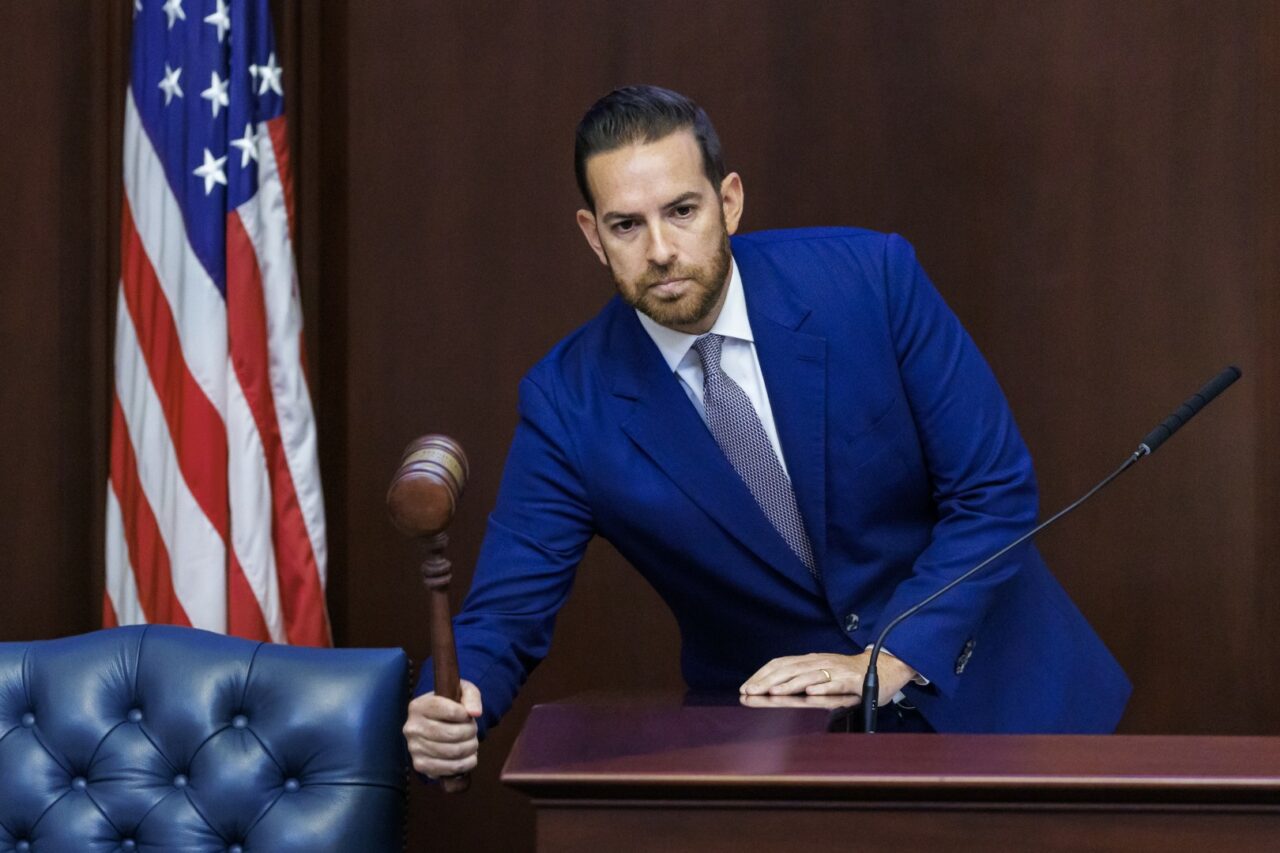
The U.S. Senate has done its job. By a 51-47 vote, it confirmed Daniel Perez, the Cuban-American Speaker of the Florida House, as America’s next ambassador to Brazil. The nomination clears the last domestic hurdle in Washington. The ball is now firmly in Brasília’s court.
Perez is a solid, experienced choice. A Republican legislator who rose to lead the Florida House, the son of Cuban immigrants, and an ally of Secretary of State Marco Rubio, he understands both American interests and the realities of the Western Hemisphere. During his confirmation process he correctly identified the stakes: Brazil’s vast critical minerals, the threat of transnational criminal organizations that feed the U.S. drug crisis, and the growing influence of outside powers competing for leverage in South America. These are not abstract talking points. They are concrete national security and economic priorities.
Yet President Lula’s government has chosen delay. Officials in Brasília have signaled they will not grant the formal diplomatic approval — the agrément — until after Brazil’s October presidential election. This is not standard diplomatic caution. It is political calculation dressed up as process. The United States followed its constitutional procedures. Brazil is holding the appointment hostage to its own electoral calendar and, apparently, to its discomfort with a Trump-appointed envoy who prioritizes American interests over progressive talking points.
The friction has already escalated. The Trump administration revoked the visa of Brazil’s ambassador in Washington after months of stonewalling. Reciprocity is a basic principle of diplomacy. When one side refuses to accept the other’s duly nominated representative, consequences follow. Leaving the U.S. Embassy in Brasília without a confirmed ambassador for this long weakens American influence at a moment when China continues to expand its economic and political footprint across Latin America.
Critics will claim this is merely a procedural dispute or that the original nomination somehow violated protocol. In reality, the United States has the sovereign right to choose its ambassadors. Brazil has the right to grant or withhold agrément. What it does not have is a blank check to turn a routine diplomatic step into a prolonged political weapon, especially when the delay conveniently benefits the incumbent government facing voters in a few months.
A strong U.S.-Brazil relationship serves both countries. Brazil is the largest economy and most populous nation in South America. Cooperation on trade, energy, security, and counter-narcotics is essential. But cooperation cannot be one-sided. America should not accept indefinite delays simply because the Brazilian left prefers a different kind of American ambassador — or none at all until the political winds shift.
Daniel Perez is ready to serve. The Senate has confirmed him. The question now is whether the Lula government will put the bilateral relationship ahead of short-term political maneuvering. Hemispheric security and American interests should not be held hostage to Brazilian electioneering. The sooner Brasília grants the agrément, the sooner both nations can get back to the serious business of managing a consequential partnership.