


Shadows Over Justice: Lula’s PF Chief Eyes Meeting with Mendonça Amid Master Case Turmoil
By Hotspotnews
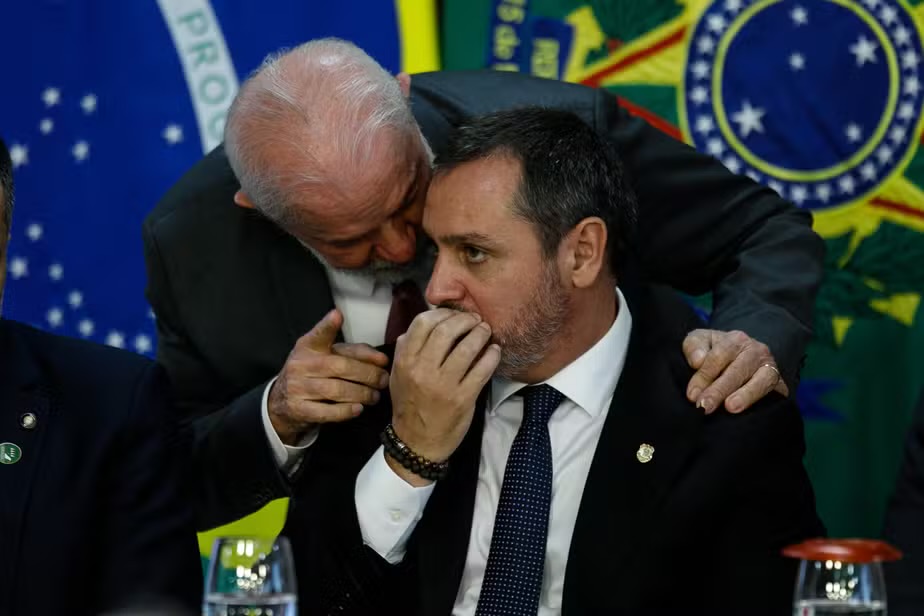
In a move that has sent ripples through Brazil’s conservative circles, Federal Police Director Andrei Rodrigues is set to convene with Supreme Federal Court (STF) Minister André Mendonça upon his return from an overseas jaunt with President Luiz Inácio Lula da Silva.
This impending tête-à-tête, ostensibly to discuss updates on the explosive “Master Case”—the STF’s pivotal inquiry into alleged anti-democratic acts—raises serious red flags about potential executive overreach and undue pressure on one of the court’s few remaining voices of reason.
Mendonça, a steadfast conservative appointed by former President Jair Bolsonaro and known for his evangelical principles and commitment to constitutional integrity, recently assumed the role of rapporteur in this high-stakes investigation. The case, which probes actions perceived by many on the right as legitimate protests against electoral irregularities, has already been marred by controversy. Rodrigues’ absence from a prior briefing called by Mendonça—opting instead to send a deputy while accompanying Lula on diplomatic escapades in Asia—only amplifies suspicions. Why the delay? And why now, fresh off a trip with the leftist leader whose administration has been accused of weaponizing institutions against political opponents?
Conservatives are understandably alarmed. Whispers in Brasília suggest this meeting could be a veiled attempt to exert influence on Mendonça, pressuring him to steer the inquiry in a direction favorable to the current regime. After all, the Federal Police under Lula’s watch has been criticized for selective enforcement, often targeting Bolsonaro supporters while turning a blind eye to scandals involving allies. Recent reports from central banking circles even document unprecedented political pressure surrounding the Master Case, with fears of intimidation tactics that could chill independent investigations. Is Mendonça, a bulwark against judicial activism, now in the crosshairs?
This isn’t mere paranoia. The STF has increasingly leaned left under influences like Alexandre de Moraes, whose aggressive oversight of “anti-democratic” probes has drawn ire for curtailing free speech and due process. Mendonça’s predecessors in similar roles have faced immense scrutiny, and Toffoli’s recent recusal amid personal ties to the case only heightens the drama. If Rodrigues, handpicked by a government hostile to conservative values, uses this meeting to push narratives that criminalize dissent, it could spell disaster for Brazil’s fragile democracy.
True patriots must remain vigilant. Mendonça’s integrity is a rare commodity in today’s polarized judiciary, and any hint of coercion from Lula’s entourage threatens the separation of powers that conservatives hold sacred. As the meeting looms, one can’t help but wonder: Will justice prevail, or will the shadows of executive interference darken the halls of the STF once more?


