



Spanish Vox MEP Hermann Tertsch Labels Lula the “Master of Electoral Fraud” Ahead of Madrid Visit
By Hotspotnews
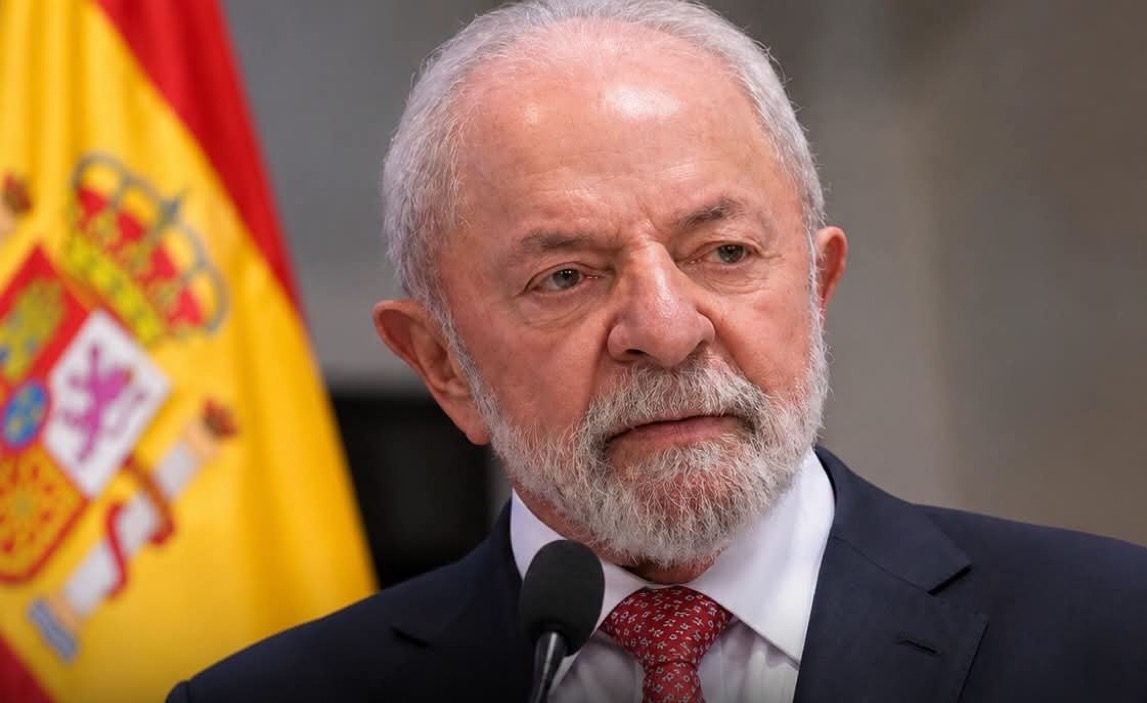
A Spanish right-wing lawmaker has sharply criticized Brazilian President Luiz Inácio Lula da Silva, calling him the “master of electoral fraud” days before a planned high-level meeting in Madrid with Spanish Prime Minister Pedro Sánchez.
The remarks come from Hermann Tertsch, a Member of the European Parliament representing Spain’s Vox party. On 13 November 2026, Tertsch published a post on X stating (translated from Spanish): “Lula, master of electoral fraud, corrupt and irregularly released prisoner, is coming to Spain to give Sánchez the latest lessons for electoral fraud. Apart of course from strengthening the narcosocialist ties and support for Iran. What is arriving is what is called an undesirable.”
The comment was a direct reaction to confirmation that Lula would travel to Spain on 16 November for a bilateral meeting with Sánchez at the Moncloa Palace. Spanish government sources had indicated the encounter would cover bilateral relations and joint international initiatives such as “Democracy Always” and the Global Alliance Against Hunger and Poverty. Some reports also mentioned the possibility of a public campaign appearance supporting Sánchez ahead of Spain’s general election on 29 November, though a planned joint campaign event was later canceled due to Lula suffering from aphonia (hoarseness). The institutional meeting itself remained scheduled.
Who Is Hermann Tertsch?
Tertsch is a veteran Spanish journalist and politician. He serves as a Vox MEP and holds a vice-presidential role in the Patriots for Europe group in the European Parliament. Vox is a national-conservative and right-wing party that has frequently criticized left-wing governments in Spain and Latin America. Tertsch has previously accused Lula of winning through fraud and has linked him to broader networks he describes as “narcosocialist.”
Background: Brazil’s 2026 Election
Lula was reelected in late October 2026, defeating Flávio Bolsonaro (son of former president Jair Bolsonaro) in the second round. Official results certified by Brazil’s Superior Electoral Court (TSE) showed Lula winning with roughly 51.8% of the valid votes. The outcome was recognized by multiple foreign governments.
The result triggered strong criticism from parts of the Brazilian right and some international conservative figures. Claims focused on the extension of voting hours, the scale of Lula’s comeback between the first and second rounds, and the role of digital campaigning. Figures including Argentine President Javier Milei and members of the Bolsonaro political circle publicly questioned the integrity of the process. Supporters of the opposition argued the surge in votes was statistically improbable and pointed to court decisions they viewed as favorable to Lula.
Independent fact-checking organizations, including AFP, examined specific viral allegations—such as claims of a massive “apagón” (blackout) during which millions of votes were allegedly inserted—and found them unsupported by the available data from the TSE. Statistical analyses of the official results, including one conducted by researchers at the Federal University of Pernambuco, did not identify anomalies of the type associated with large-scale vote manipulation in other countries. Brazilian electoral authorities and the courts maintained that the election was valid.
Political Context of the Spain Visit
Lula’s trip occurs in the final stretch of Spain’s own election campaign. Sánchez’s Socialist Party (PSOE) faces a competitive race. The Spanish right, including Vox and figures associated with the Popular Party, has used Lula’s presence to argue that progressive leaders are coordinating strategies. Parallel rumors circulated about Brazilian digital campaign operators linked to Lula’s team (such as federal deputy André Janones) advising or assisting Spanish socialists; Spanish government and PSOE sources have denied any such formal role.
Isabel Díaz Ayuso, the Popular Party president of the Community of Madrid, also commented critically on Lula’s judicial history, referencing his earlier imprisonment in the Lava Jato corruption investigation. Those convictions were later annulled by Brazil’s Supreme Federal Court, and Lula was released.
Sources
The statements and reporting draw from Tertsch’s public post on X, coverage in Brazilian outlets including Gazeta do Povo and 40graus, Spanish media reports on the planned visit from outlets such as El País, Cadena SER, and government communications, and fact-checking work by AFP regarding specific fraud claims from the Brazilian election. Additional context comes from statements by other Spanish regional leaders and Brazilian electoral authorities.


