


STF Justice Boasts: Supreme Court Shielded Globo from Accountability Under Bolsonaro
By Hotspotnews
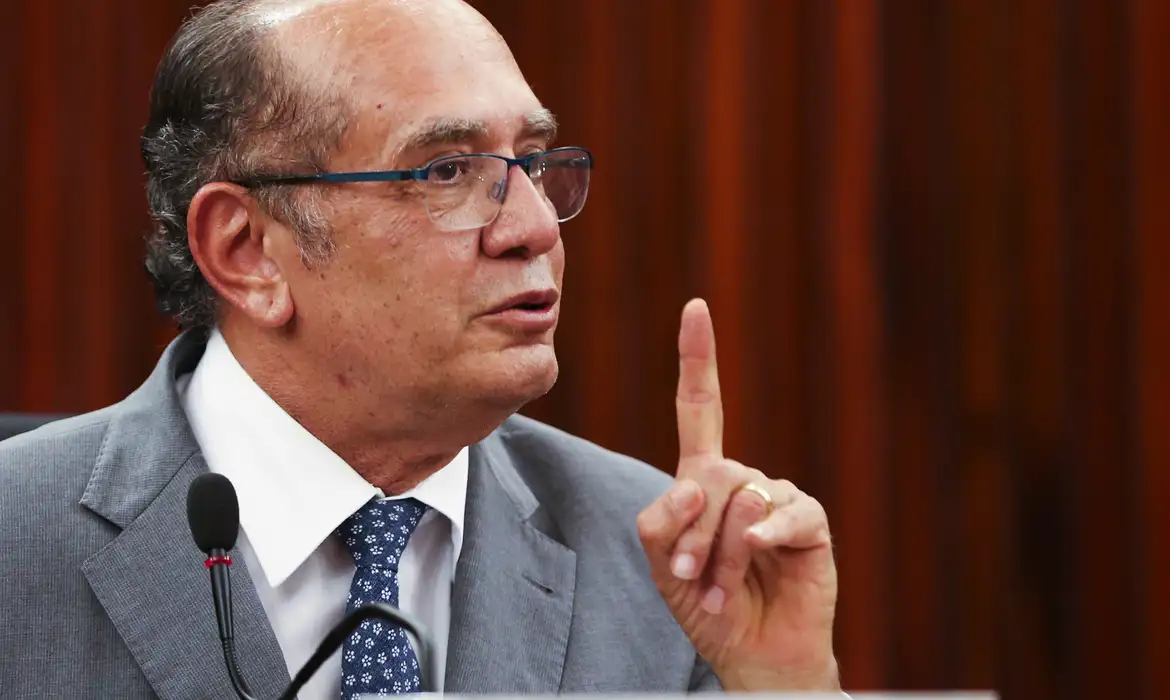
In a stunning display of institutional arrogance, Brazilian Supreme Federal Court (STF) Minister Gilmar Mendes openly declared that his court prevented the revocation of TV Globo’s public broadcast concession during the administration of former President Jair Bolsonaro. Speaking during a session of the STF’s Second Chamber on April 14, Mendes framed the survival of Brazil’s largest media empire not as a matter of law or merit, but as a personal favor from the judiciary.

“How many times did I hear during the previous government the idea that it was easy to liquidate Globo, to revoke Globo’s concession?” Mendes asked rhetorically. “Why didn’t this happen? It didn’t happen thanks to the Supreme Federal Court, due to the possibility of a writ of security being granted here.”
The remark came as Mendes lashed out at Globo journalists for their enthusiastic coverage of Operation Lava Jato, the massive anti-corruption investigation that exposed systemic graft under leftist governments. He accused the network’s reporters of acting as “ghost writers” for figures like then-Judge Sergio Moro and prosecutor Deltan Dallagnol, supporting aggressive measures that allegedly curtailed rights while the STF positioned itself as the true defender of press freedom.
This is not mere judicial commentary—it’s a revealing admission of power dynamics in Brazil. For years, conservatives have argued that the STF operates as an unelected super-authority, wielding tools like “mandados de segurança” (emergency injunctions) to block executive actions, influence policy, and protect allies. Mendes’ words confirm what many suspected: when Globo faced scrutiny over its broadcast license—a public concession subject to renewal and regulatory compliance—the Court stepped in as a shield. Bolsonaro’s government had voiced frustrations with what it saw as biased, activist journalism from the network, including threats of a rigorous review process. Yet no revocation occurred, and now a senior justice claims credit for ensuring Globo stayed on air.
The irony is thick. During Lava Jato, Globo aggressively amplified the operation, helping expose billions in stolen public funds tied to the Workers’ Party (PT) and its allies. Mendes and other STF ministers have long criticized the probe as overreach, even as it enjoyed broad public support for tackling endemic corruption. Now, with tensions rising—amid debates over STF accountability, CPI investigations, and shifting political winds—Mendes appears to be demanding loyalty from a media giant his court allegedly protected.
This episode highlights a deeper problem in Brazilian democracy: the concentration of power in a Supreme Court that increasingly inserts itself into political and media matters. Public broadcasting concessions exist to serve the public interest, not to create indebted media empires beholden to judicial whims. True press freedom thrives under transparent rules, competitive markets, and accountability—not under the selective protection of robed guardians who lecture others on ethics while insulating favored institutions.
Mendes’ outburst isn’t just a jab at Globo; it’s a window into how Brazil’s institutions have intertwined. Conservatives have long called for reforms to limit judicial activism, restore balance among branches of government, and ensure media operates without fearing or courting judicial overlords. When even a sitting justice publicly tallies favors owed, it underscores the urgent need for greater transparency, checks on STF overreach, and a return to constitutional limits.
The Brazilian people deserve a free press that holds power accountable—whether in Planalto Palace or the STF—without hidden debts or protected monopolies. Gilmar Mendes has issued the receipt. The question now is whether Brazil will finally demand reform before the bill comes due for everyone else.
video by Auriverde