





Streaming Taxes: The Latest Assault on Brazilian Families and Freedom
By Hotspotnews
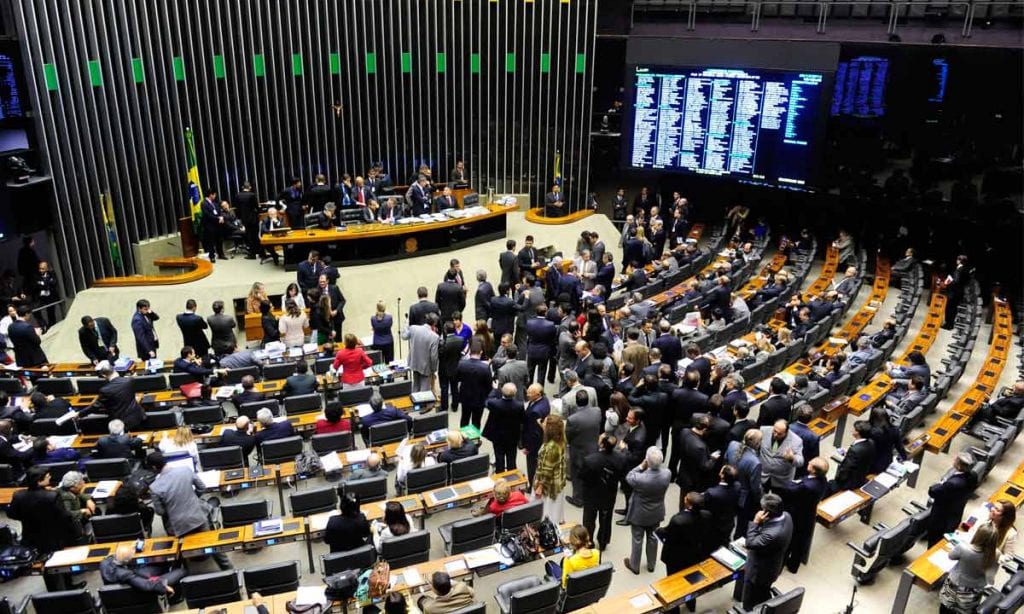
In a move that reeks of the same old statist playbook, Brazil’s Chamber of Deputies has rammed through yet another tax grab, this time targeting the one modern lifeline many hardworking families cling to: streaming services like Netflix and Disney+. Approved on November 4, 2025, Project of Law 8889/17 slaps a Condecine contribution—up to 4% of gross revenue—on these platforms, all in the name of “funding national audiovisual production.”
The tally was a lopsided 330 yes votes to 118 no and 3 abstentions, a stark illustration of how the left-wing PT, its allies like PSOL and PCdoB, and the opportunistic Centrão machine—PP, MDB, Republicanos, União Brasil, PSD, Solidariedade, Podemos, and more—rallied to impose this burden. Meanwhile, true conservatives in the PL and Novo stood firm against it, with leaders like Carol de Toni and the Novo bloc decrying the overreach. It’s a classic case of politicians playing Robin Hood with other people’s money, and as always, it’s the little guy who gets robbed blind.Let’s cut through the bureaucratic fog: this isn’t about nurturing Brazilian culture; it’s about fattening government coffers and empowering the same media elites who’ve long peddled propaganda under the guise of journalism.
Rede Globo, that exaggerates in biased broadcasting, stands to gain the most. With its iron grip on 80% of the TV market, Globo has a history of twisting narratives to suit the powerful—remember the selective outrage during the 2016 impeachment circus? Now, with this tax funneling cash into “local content,” expect more of the same: sanitized stories that glorify big government while sidelining the values of faith, family, and fiscal responsibility that anchor true conservatism.
The PT-sponsored bill, backed by the rapporteur from the Centrão’s PP, pulled in broad support from the government base, but the principled no votes from PL deputies like Daniel Freitas and Mario Frias highlight the growing resistance to this fiscal folly.The real victims? The very families this policy pretends to help. In Brazil, where over 40% of households scrape by on less than R$2,000 a month, every real counts. Streaming isn’t a luxury—it’s an affordable escape from the drudgery, a window to wholesome entertainment and unfiltered information that Globo’s echo chamber can’t touch. But here’s the rub: these tech giants don’t pay taxes out of the goodness of their hearts.
They’ll hike subscription fees by 5-10%—that’s R$5 to R$10 more per month on your Netflix bill—passing the buck straight to consumers. Suddenly, the single mom juggling two jobs or the retiree on a fixed pension has to choose between binge-watching a family-friendly show and putting food on the table. It’s regressive taxation at its worst, hitting the poor hardest while the elite in Brasília sip caipirinhas and pat themselves on the back.
This bill is just the latest symptom of a deeper rot: an addiction to intervention that chokes innovation and crushes personal choice. Why punish success? Streaming services have democratized entertainment, bringing global stories to Brazilian doorsteps without the middleman of corrupt broadcasters. They’ve created jobs, sparked creativity, and even boosted local talent through that pesky 10% content quota already in place. But no—the left-leaning architects of this law can’t stand a free market thriving outside their control. It’s the same mindset that birthed endless regulations and entitlements, eroding the self-reliance that built nations.
The Centrão’s yes votes, from PDT’s Duda Salabert to Republicanos’ Euclydes Pettersen, betray any pretense of fiscal conservatism, trading principles for pork-barrel promises.Conservatives have warned for years: government meddling in markets leads to higher costs, less competition, and a populace more dependent on the state. Look at Europe, where similar “cultural levies” on digital services have jacked up prices without delivering promised jobs or quality content. In Brazil, they will get the same: bloated funds siphoned by cronies, mediocre productions that pander to progressive pieties, and families priced out of progress.It’s time for a reckoning.
Lawmakers should scrap this nonsense and focus on real solutions: slash red tape for local creators, enforce antitrust on media monopolies like Globo, and offer tax credits—not penalties—for investments in Brazilian stories that celebrate our heritage, not undermine it. Above all, protect the working class from these predatory policies that masquerade as populism. With the Senate next, let the PL and Novo hold the line—Brazil’s families are counting on it.Brazil deserves better than a government that taxes away dreams. Let’s demand freedom over fiat, choice over coercion, and prosperity for all—not just the connected few. The ballot box awaits; use it wisely.


