



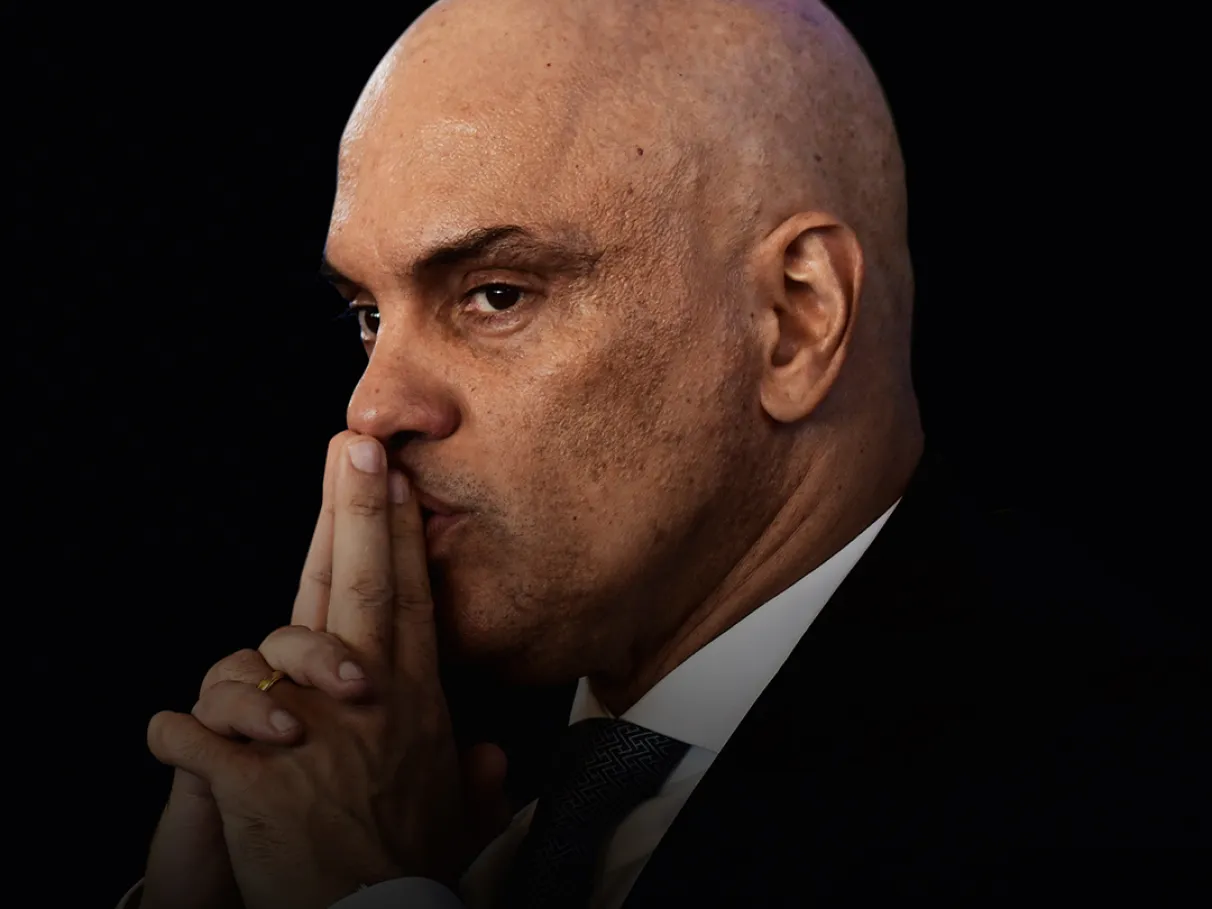
The Death of Democracy: Brazil Falls to Tyranny Under Moraes’ Iron Fist
By Laiz Rodrigues
As the clock ticks toward an uncertain future on this dark day, September 11, 2025, Brazil stands at the edge of a precipice, its once-vibrant democracy crucified by the ruthless ambition of Alexandre de Moraes and his judicial cronies. The people, betrayed by a Supreme Court that has morphed into a kangaroo court, are left to fend for themselves, abandoned to the whims of a regime that silences truth with the gavel. This is not justice—it’s a travesty, a deliberate dismantling of the voice of the people, and a chilling warning to the free world.
The recent conviction of Jair Bolsonaro, a man who dared to challenge the leftist stranglehold, on baseless charges of plotting a military coup, is the final nail in the coffin. Three out of five judges—led by the unhinged Moraes—have sentenced a patriot to a potential 40-year prison term, all while a fourth, Luiz Fux, stood alone with the courage to call out the lack of evidence. But courage is a rare commodity in Brasilia these days, where Gilmar Mendes lurks in the shadows, his non-voting presence a sinister symbol of a judiciary united not for justice, but for power. This is the same Mendes who once blocked reforms to check judicial overreach, a man whose legacy is stained by cronyism and contempt for the will of the people.
Moraes, a former politician turned judicial tyrant, has turned the Supreme Court into his personal fiefdom. His actions—targeting Bolsonaro with electronic tags and home confinement, imposing sanctions under foreign pressure, and branding dissenters as terrorists—reek of authoritarianism. The Trump administration’s outrage, with sanctions and visa bans, only underscores the global alarm at this descent into despotism. Yet, the Brazilian left cheers, blind to the fact that their hero’s victory is a pyrrhic one, built on the ashes of free speech and fair trials.
The people of Brazil, once proud and resilient, are now voiceless. Those who speak truth—conservative voices, patriots, everyday citizens—are crushed under the weight of censorship and persecution. The streets, once alive with the spirit of liberty, are quiet, save for the echoes of a betrayed electorate. This is not the Brazil of old, a nation of hope and opportunity; it is a land where the rule of law has been replaced by the rule of Moraes, where the Constitution is a mere prop for his power plays.
Where is the outrage from the international community? Where are the champions of democracy who decry tyranny elsewhere but turn a blind eye when it suits their narrative? The silence is deafening, and it emboldens the oppressors. Brazil’s fate is a stark reminder: when the judiciary becomes a weapon of the elite, the people lose everything. There is no hope left unless the silent majority rises, reclaims its voice, and demands accountability from those who have stolen their freedom. For now, Brazil bleeds, and the world watches—impotent or indifferent—as a great nation falls.