



The Endless “Fake News” Inquiry: A Threat to Brazilian Liberty and the Rule of Law
By Hotspotnews
For nearly seven years, a single investigation has cast a long shadow over Brazil’s democratic institutions: the so-called “inquérito das fake news,” opened in 2019 under the then-presidency of the Supreme Federal Court (STF) and placed under the rapporteurship of Justice Alexandre de Moraes.
What began as a response to alleged threats against the Court has morphed into an open-ended mechanism of surveillance, censorship, and selective prosecution that many conservatives view as one of the gravest assaults on free speech and due process in recent Brazilian history.
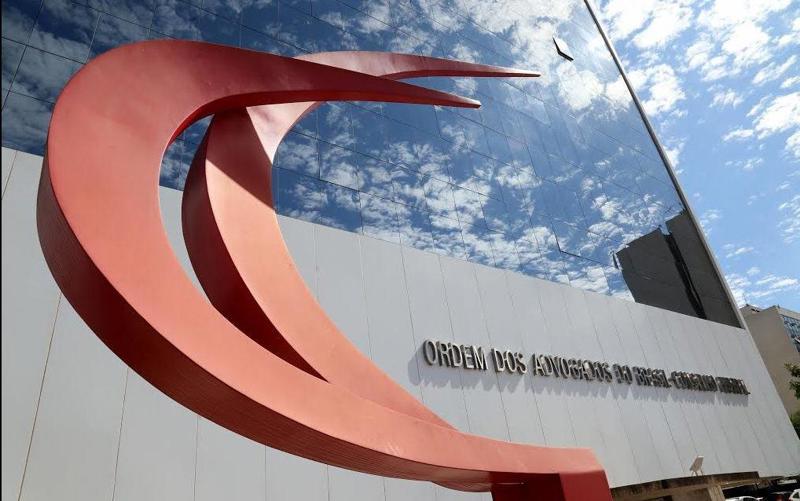
Now, the Brazilian Bar Association (OAB)—an institution long criticized by the right for its silence or complicity—has finally spoken up. In a formal letter to STF President Edson Fachin, the OAB expresses “extreme institutional concern” over investigations of “perpetual nature,” specifically calling for the conclusion of this inquiry and warning against the creation of similar boundless procedures in the future. The entity highlights how successive expansions of scope and indefinite extensions have stripped the process of any meaningful material or temporal limits, violating core constitutional principles like the accusatory system, due process, and legal certainty.
From a conservative perspective, this development, while welcome, arrives far too late and rings hollow without immediate accountability. The inquiry has served as a powerful tool for one justice to act as investigator, prosecutor, and judge all at once—raiding homes, ordering arrests, blocking accounts, and silencing voices critical of the establishment, often under the vague banner of combating “disinformation.” Countless patriots, journalists, and ordinary citizens have found themselves targeted not for verifiable crimes but for expressing dissenting political views, especially those aligned with former President Jair Bolsonaro and conservative values.
This is not law enforcement; it is institutional overreach dressed up as protection of democracy. True democracy thrives on robust debate, including sharp criticism of powerful figures and institutions. When a court assumes the power to define what constitutes “fake news” and punishes speech accordingly—without transparent trials, clear charges, or the right to full defense—it crosses into authoritarian territory. The perpetual nature of the inquiry ensures that no one ever truly escapes its reach: targets remain under suspicion indefinitely, their reputations damaged, businesses disrupted, and freedoms curtailed.
Conservatives have long argued that such mechanisms erode the separation of powers and undermine public trust in the judiciary. When the STF investigates itself, decides on its own suspects, and extends proceedings without end, it ceases to be an impartial arbiter and becomes a political actor. The OAB’s belated intervention underscores a growing recognition—even among establishment voices—that this model is unsustainable and dangerous.
The right path forward is clear: close the inquiry immediately, archive its proceedings unless concrete criminal acts (not mere opinions) can be proven in ordinary courts with full due process, and impose strict limits on any future judicial investigations to prevent similar abuses. Brazil needs judges who uphold the Constitution, not ones who bend it to silence opposition.
The OAB’s request to Fachin is a small step, but real reform demands more: congressional oversight, impeachment proceedings where warranted, and a renewed commitment to individual liberties. Only then can Brazilians reclaim the freedom of expression that is the bedrock of a free society. The era of judicial perpetual investigations must end—not tomorrow, but today.