




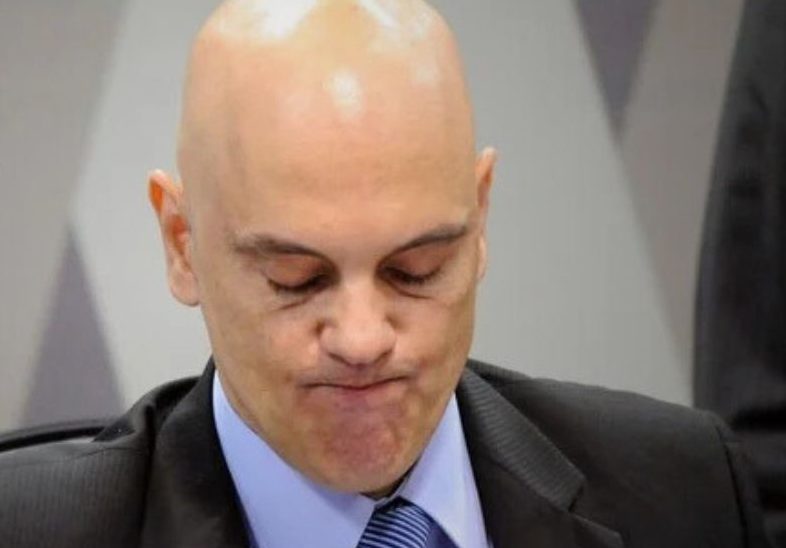
The Fall of Alexandre de Moraes: A Lesson in Judicial Overreach and American Resolve
By Hotspotnews
A storm is brewing on the international stage, and its epicenter is the embattled figure of Brazilian Supreme Federal Court Justice Alexandre de Moraes. This is no mere legal squabble; it’s a clash of principles between American liberty and authoritarian overreach, a tale that conservative minds should heed as a warning and a triumph.
For too long, Moraes has wielded his gavel like a dictator’s scepter, suppressing free speech and trampling the rights of Brazilian citizens—and even Americans—under the guise of judicial authority. The United States, under a renewed commitment to global human rights, has rightly sanctioned this rogue justice, citing his arbitrary pre-trial detentions and blatant violations of expression. This isn’t just about Brazil; it’s about protecting the foundational freedoms that define the West. The U.S. Treasury’s Office of Foreign Assets Control has exposed how Moraes targeted political critics, silenced dissenters, and even pressured American social media companies to censor voices—actions that strike at the heart of the First Amendment.
This bold move comes amid a broader diplomatic standoff, with the Trump administration imposing a staggering 50% tariff on Brazilian exports and revoking Moraes’ visa. It’s a clear message: the United States will not tolerate foreign officials undermining its values or its people. The timing couldn’t be more fitting, as Moraes’ actions have included targeting former Brazilian President Jair Bolsonaro, a figure admired by many conservatives for his unapologetic stance against leftist ideologies. This isn’t just retribution; it’s a stand for sovereignty and justice.
The roots of this conflict trace back to the Magnitsky Act, a tool designed to hold human rights abusers accountable worldwide. Moraes’ defiance of this law, echoed by critics like Bill Browder, underscores a growing global trend of judicial overreach that conservatives have long warned against. When unelected officials like Moraes assume unchecked power, they erode the democratic foundations that rely on the consent of the governed. His refusal to back down, even as the U.S. tightens the noose, paints a picture of arrogance that history has punished before—think of the fallen tyrants of old.
The X posts swirling around this saga reflect a public hunger for accountability. From memes depicting Moraes behind bars to calls for his arrest, the sentiment is clear: justice must prevail. These voices, amplified by figures like Elon Musk, who has publicly predicted Moraes’ downfall, resonate with a conservative ethos that demands law and order be applied equally, not wielded as a weapon by the powerful against the powerless.
Yet, this is more than a single man’s story. It’s a test of American resolve in a world where authoritarianism is resurgent. The 40% tariff on Brazilian goods, paired with the potential for further escalation, signals that economic leverage will back up moral clarity. Conservatives should celebrate this as a return to principled leadership—leadership that doesn’t bend to globalist pressures but stands firm for freedom.
Moraes may cling to his illusions of invincibility, but the writing is on the wall. His fate serves as a stark reminder: no one is above the law, especially not those who pervert it. As the United States leads this charge, it reasserts its role as a beacon of liberty, proving once again that the conservative commitment to individual rights and national sovereignty can triumph over tyranny. Let this be a lesson to all who would challenge those ideals—your day of reckoning will come.