


The High Cost of Weak Speech Protections:
Brazil’s Slow-Motion Democratic Erosion
By Hotspotnews
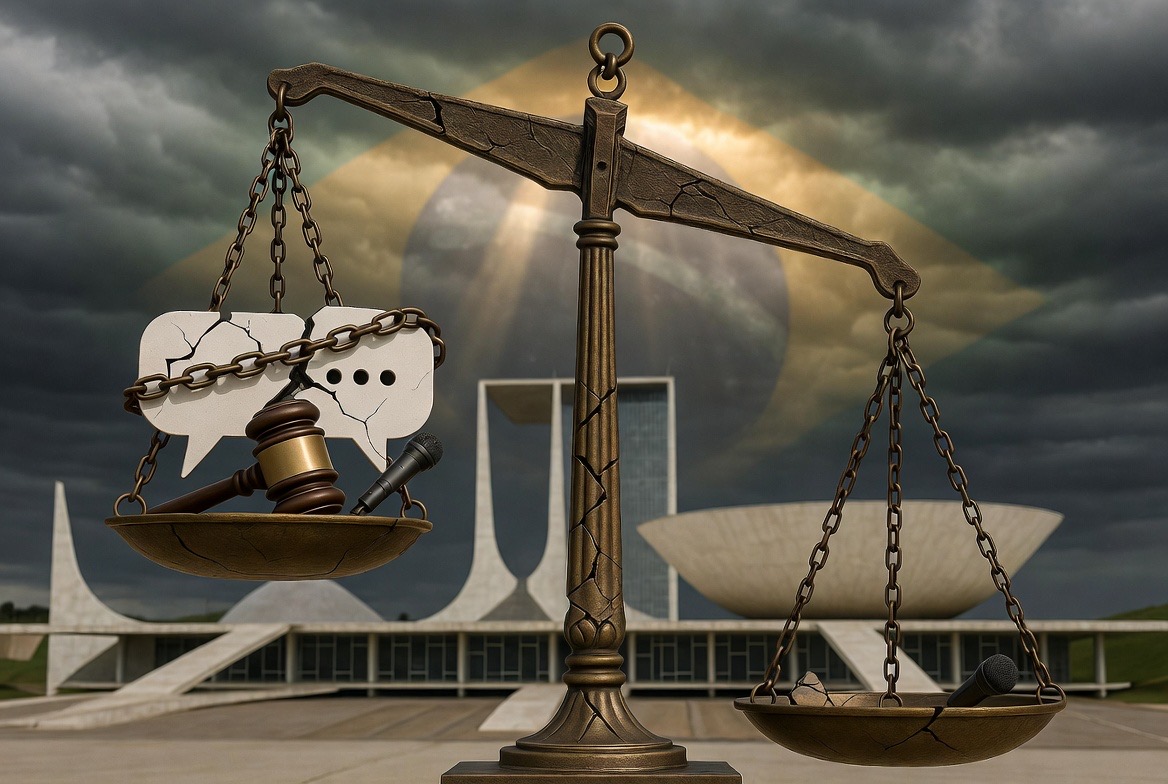
Brazil’s 1988 Constitution promises freedom of expression, but that promise is hedged, qualified, and ultimately fragile. Unlike the uncompromising First Amendment tradition that treats political speech as nearly inviolable, Brazil’s framework leaves wide judicial discretion to define “abuse,” “disinformation,” or “threats to democracy.” The result has been a steady accumulation of damages that reach far beyond any single case or defendant: chilled discourse, institutional distrust, self-censorship, and a growing sense that law serves power rather than truth.
When courts can order preemptive removal of content, suspend accounts, and demand global compliance from platforms, the public square shrinks. Ordinary citizens, journalists, and politicians learn quickly that criticizing powerful institutions — especially the judiciary itself — carries tangible risk. This is not abstract. It produces a chilling effect where people weigh every post, every interview, every joke against the possibility of investigation. Robust debate, the oxygen of democracy, grows thin. What remains is cautious conformity on one side and underground resentment on the other.
The economic and social costs compound. Foreign technology companies face impossible choices between Brazilian market access and constitutional principles elsewhere, distorting investment and innovation. Talented voices emigrate or fall silent. Investors note the unpredictability: if speech can be criminalized under vague standards, so can adjacent economic activity. Capital prefers environments where rules are clear and rights are predictable. Brazil pays the price in slower growth and missed opportunities.
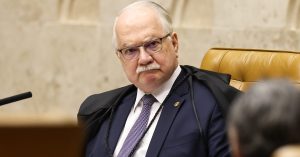
Most damaging is the erosion of accountability. When dissent is reframed as subversion, governments face less scrutiny. Corruption scandals, policy failures, and institutional overreach persist longer because critics hesitate. The very mechanism meant to protect democracy — judicial vigilance — begins to undermine it by concentrating power in unelected hands. A single rapporteur can effectively set national policy on expression for years, blending investigative, prosecutorial, and adjudicative roles in ways that would alarm any classical liberal. This is not strength; it is fragility wearing the mask of firmness.
The human toll is quieter but profound. Families divided by politics grow more estranged when one side feels systematically silenced. Public trust in courts, already uneven, collapses among large segments of the population who see selective enforcement rather than equal justice. Polarization deepens precisely because legitimate grievances have fewer safe outlets. Suppressed speech does not disappear — it festers, migrates to extremes, and erupts in less constructive forms.
A strong free speech guarantee would not eliminate conflict or bad ideas. It would force society to answer bad speech with better speech, not state coercion. It would discipline institutions by requiring them to win arguments in the open rather than shut them down. It would protect the weak against the strong — the dissident against the powerful judge, the regional voter against Brasília elites, the skeptic against official consensus.
This is why strengthening free speech protections should be an important issue for any serious Brazilian presidential candidate in 2026 and beyond.
It matters at the national level for several reasons:
Restoring Trust in Institutions
Large portions of the population already view the judiciary as politicized. A candidate who speaks clearly about clearer constitutional guardrails on expression — without gutting legitimate tools against real incitement or violence — signals respect for rules over rulers. This isn’t a niche issue; it directly affects perceptions of fairness in elections, investigations, and governance.
Reducing Polarization and Lawfare
When speech becomes a prosecutable gray area, politics turns into a legal war. Candidates promising to limit vague “disinformation” inquiries, single-judge overreach, and compelled private censorship would address a root cause of the “us vs. them” dynamic. It moves disputes back to voters and legislatures where they belong.
Economic and Technological Competitiveness
Brazil wants to attract investment and become a bigger player in tech and innovation. Companies hesitate when platforms face sudden nationwide blocks or endless compliance battles. A pro-speech stance signals predictability and openness — attractive to both domestic entrepreneurs and foreign capital.
Democratic Legitimacy Long-Term
Brazil’s democracy is young. Protecting robust debate protects alternation in power. A candidate who treats free speech as a foundational reform (not just a slogan for one side) shows they understand that today’s opposition can become tomorrow’s government — and both need breathing room.
Realistic Framing for a Candidate
No serious contender should promise absolute U.S.-style absolutism. Brazil faces real challenges with organized crime, foreign influence operations, and episodes of violence. The pitch should be balanced:
“We will protect democracy with clear laws, not vague judicial fiat.”
“End preemptive censorship while maintaining accountability for direct incitement.”
“Reform STF procedures to prevent concentration of power in one justice.”
Voters on the right would hear protection for dissent. Moderates and centrists could see it as institutional maturity. Even some on the left tired of selective enforcement might quietly agree that one judge shouldn’t control national discourse.
In short, this is a high-leverage issue. It touches trust, justice, innovation, and stability all at once. A candidate who addresses it credibly, with concrete proposals rather than rhetoric, would stand out as thinking about Brazil’s long-term health, not just short-term tactical wins. In a polarized country, few reforms offer bigger returns on democratic legitimacy.
Brazil has made real strides since the dictatorship era, yet the absence of a muscular speech guarantee leaves the young democracy vulnerable to the oldest temptation: elites who believe they alone can be trusted with open debate. Until that changes, the damages will continue. True democratic health demands more than elections. It requires the confidence to let citizens speak, argue, and even err. Brazil’s next leaders should reflect that confidence, not fear it.
Let me know if you’d like any further adjustments, a different title, or emphasis!


