



Trump’s Prudent Plane Switch Highlights Real Security Risks Amid Iran Tensions
By Hotspotnews
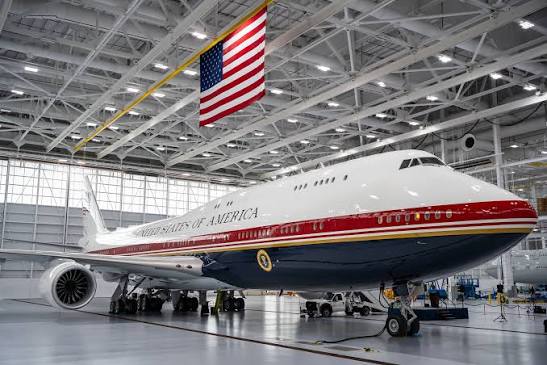
President Donald Trump demonstrated the kind of cautious leadership that prioritizes safety over optics during his return from the NATO summit in Turkey this week. Facing heightened threats from Iran—where he has openly noted his position as a top target—Trump departed Ankara aboard the older, battle-tested Air Force One rather than the newly retrofitted Boeing 747-8 gifted by Qatar. The new aircraft proceeded ahead empty to a U.S. base in Britain, where the president later transferred for the final leg home.
This was no random change. Sources familiar with the planning confirm the Secret Service recommended the switch out of an abundance of caution. The interim VC-25B “Bridge” plane, while luxurious and a welcome addition to the aging fleet, reportedly lacks certain advanced defensive countermeasures found on the legacy models. In a volatile region bordering Iran, with recent U.S. strikes escalating tensions, erring on the side of proven security made clear sense. Trump himself has repeatedly highlighted the dangers facing him and the nation, underscoring that the life of a president is inherently perilous.
The episode also spotlights legitimate questions about the rapid retrofitting of the Qatari-donated jet. While the aircraft underwent modifications to serve as a capable interim presidential transport, experts and officials have pointed to gaps in capabilities compared to the dedicated Air Force One fleet built from the ground up for the mission. Trump’s team has emphasized that the new plane meets core requirements for safety and communications, but the decision to use the older aircraft for the sensitive departure leg reflects responsible risk management rather than alarmism.
Predictably, some outlets framed the switch as raising “eyebrows” or deepening “questions” about the new plane. The New York Times, in particular, published reporting on the security concerns and details of the retrofit. In response, the Trump administration took action: subpoenas were issued to several Times journalists involved in the coverage, directing them to testify before a federal grand jury regarding an alleged violation of federal criminal law. This move underscores a firm stance against leaks of sensitive national security information that could aid America’s adversaries.
Conservatives have long warned about the dangers of an adversarial press that prioritizes scoops over security. When journalists receive classified or sensitive briefings and publish details that could compromise presidential travel—especially amid active foreign threats—the public has a right to expect accountability. The administration’s subpoenas send a necessary message: America’s defenses are not fodder for headlines.
President Trump’s handling of the situation reflects three steps ahead thinking that has defined his approach to threats, both foreign and domestic. By relying on the older, reliable platform for the riskiest segment of the journey, he ensured continuity of mission while the new asset was properly positioned. This is leadership that puts American security first—something sorely needed in an era of persistent threats from regimes like Iran.
As the interim plane continues integration into the fleet, expect further scrutiny of retrofit standards and supply chain integrity. For now, Trump’s decisive action in Turkey reinforces a simple truth: when lives are on the line, caution and proven systems trump optics every time. The deep state narratives and wild speculation aside, the facts show a president and his team managing real risks with diligence.


