





The Looming Shadow: Why Brazil Must Ban Sharia Law Before It’s Too Late
By Hotspotnews
In a bold move that echoes the concerns of conservatives worldwide, Brazilian Deputy Luiz Philippe de Orleans e Bragança has introduced Bill PL 1.234/2026, aiming to prohibit the application of Sharia law within Brazil’s borders. This legislation isn’t just a precautionary measure—it’s a vital defense against a system that fundamentally clashes with Western values of freedom, equality, and human dignity. As voices from São Paulo’s Muslim communities highlight the growing influence of fundamentalist ideologies in local mosques, it’s clear that without swift action, Brazil risks importing the same disastrous consequences that have plagued other nations where Sharia has taken root.
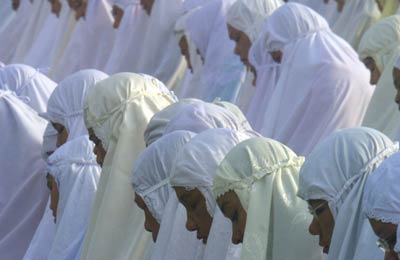

Sharia law, derived from Islamic texts and traditions, promises a comprehensive code for life, but in practice, it often manifests as a rigid, oppressive framework that undermines individual rights. At its core, Sharia enforces gender inequality in ways that would horrify any true advocate for women’s empowerment. Women under Sharia jurisdictions frequently face discriminatory inheritance laws, where daughters inherit half as much as sons, and marital rights that allow polygamy for men while imposing strict obedience on wives. Worse still, practices like forced veiling or restrictions on women’s education and employment erode personal autonomy, turning half the population into second-class citizens. In conservative eyes, this isn’t cultural relativism—it’s a direct assault on the Judeo-Christian principles of equality that have built prosperous, free societies.
The dangers extend far beyond gender issues to the very fabric of family and childhood. Sharia permits child marriages, often justifying unions involving girls as young as nine based on historical precedents. This isn’t an abstract debate; in countries like Iran and Saudi Arabia, such practices lead to widespread exploitation, health crises, and shattered lives. Imagine the horror of young Brazilian girls subjected to similar fates under the guise of religious freedom—it’s a recipe for generational trauma and societal decay. Conservatives argue that protecting children isn’t optional; it’s the cornerstone of any civilized nation, and allowing Sharia’s influence would invite predators to exploit legal loopholes, turning Brazil’s vibrant communities into breeding grounds for abuse.
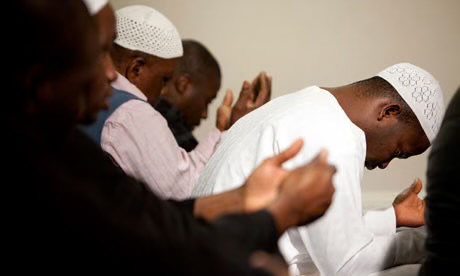

Brazil, with its rich Catholic heritage and commitment to constitutional rights, stands at a crossroads. The bill’s proponents rightly point out that Sharia’s incompatibility with Brazil’s laws on religious freedom, gender equality, and child protection demands prohibition. Allowing even informal Sharia practices could lead to ghettoization, where immigrant communities isolate themselves, fostering extremism and rejecting integration. We’ve seen the fallout elsewhere: terror attacks inspired by radical interpretations, economic burdens from welfare-dependent enclaves, and a loss of cultural cohesion that weakens the nation from within. Conservatives warn that without this ban, Brazil could face skyrocketing social costs, heightened security threats, and a dilution of the values that make it a beacon of South American progress.
In the end, Bill PL 1.234/2026 isn’t about targeting Muslims—it’s about safeguarding Brazil’s future. True religious freedom thrives under a unified legal system, not fragmented ones that breed inequality and chaos. As Deputy de Orleans e Bragança urges, it’s time to act decisively. The disastrous consequences of inaction are too grave: a once-united Brazil torn apart by imported ideologies that prioritize ancient edicts over modern liberties. For the sake of our children, our women, and our sovereignty, Sharia has no place in the land of the free.
Source: Brazilian Deputy Luiz Philippe de Orleans e Bragança Bill PL 1.234/2026


