


The Rise of Nikolas Ferreira: Defending Bolsonarism as a State of Mind Amid Party Shifts
By Hotspotnews
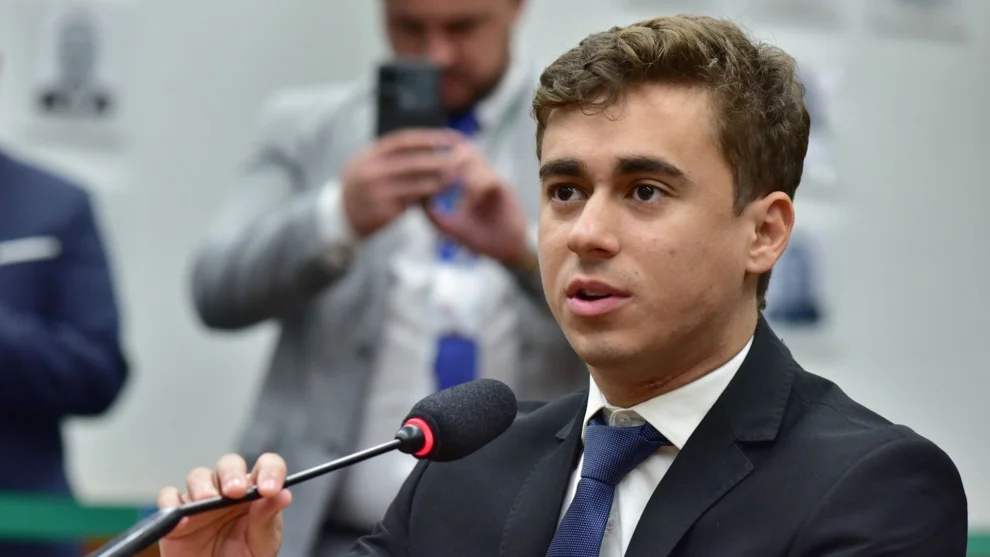
As Brazil approaches the decisive 2026 elections, Nikolas Ferreira continues to stand out as one of the most dynamic voices on the right. The young federal deputy from Minas Gerais, with his unmatched digital reach and appeal to youth and evangelical voters, embodies what many call “Bolsonarism as a state of mind” — a commitment to core values of anti-PT resistance, cultural conservatism, family defense, and opposition to systemic compromises rather than blind loyalty to any single party structure.
Ferreira has built what supporters refer to as the “time do Nikolas,” a network of aligned allies pushing hardline agendas such as Supreme Court impeachments, amnesty for January 8 participants, and unapologetic conservative mobilization. While operating within the PL, he has aggressively exercised influence over candidate selections in Minas Gerais, vetoing affiliations he views as disconnected from these principles. This stance reflects a deeper concern: the PL, under President Valdemar Costa Neto, has increasingly adopted a big-tent approach influenced by Centrão-style pragmatism — prioritizing electoral scale, broad alliances, and numerical growth over ideological purity.
Critics within the movement argue this evolution dilutes the party’s original Bolsonarista identity. Valdemar’s leadership has welcomed a wider array of figures, leading to public tensions, including vetoed names and accusations of mismatched candidacies that could weaken the party’s coherence. Ferreira has made his position clear: he demands real decision-making power over the MG slate to avoid becoming a mere vote-puller for candidates lacking alignment. Such moves, while controversial, highlight a willingness to prioritize fidelity to foundational values over party convenience.
For those who see Bolsonarism as an enduring spirit rather than a rigid machine, Ferreira’s potential path — whether through strengthened autonomy inside the PL, leverage for change, or even a strategic shift to a party like NOVO that offers greater ideological consistency and less Centrão baggage — represents an exercise in political freedom. It could expose perceived drifts in the PL while attracting voters seeking renewal: a cleaner, more principled conservative option that still draws from Bolsonaro’s legacy without being constrained by pragmatic deals. Alignment with figures like Governor Romeu Zema could further amplify this, building bridges to liberal-conservative voters without abandoning core fights.
This approach is not without risks. Internal rifts, including spats with the Bolsonaro family and accusations of opportunism, have prompted mediation efforts by Valdemar himself. Yet for defenders, these tensions underscore a necessary reckoning. If Nikolas can maintain his massive personal pull while demonstrating that true strength lies in values over structures, his independence could broaden the right’s appeal — offering voters distinct lanes within the anti-Lula spectrum rather than forcing a one-size-fits-all compromise.
In the end, Bolsonarism’s resilience has always stemmed from its ideas and the base’s loyalty to them, not from any party’s label. As 2026 nears, Nikolas Ferreira’s choices will test whether prioritizing ideological faithfulness strengthens the broader movement or fragments it at a critical moment. The electorate — the ultimate guardian of that “state of mind” — will deliver the verdict. In a polarized Brazil, leaders who stay true to principles while adapting may well define the right’s next chapter.