





TSE’s Lingering Smartmatic Connection Fuels Growing Doubts Over Brazil’s Electoral Sovereignty
By Hotspotnews
As Brazil prepares for another high-stakes election season in 2026, a pointed challenge from journalist Ana Paula has thrust the Superior Electoral Court (TSE) into the spotlight once again. In a widely circulated segment, she directly questions why Brazil continues to appear prominently on Smartmatic’s official website as part of the company’s global footprint in “secure and reliable elections.” Despite repeated official statements claiming no substantive relationship with the firm, this public listing suggests otherwise, leaving millions of patriotic Brazilians wondering what the TSE is hiding.
Smartmatic is no ordinary vendor. Born in the shadow of Venezuela’s Chávez-era power grabs, the company has long been accused of enabling digital manipulation. Former insiders and defectors, including high-level regime figures, have detailed how its systems were engineered not just to count votes but to ensure favorable outcomes for those in control. The software’s reported remote-access capabilities and lack of transparent paper trails have drawn scrutiny worldwide. In Brazil’s case, while the TSE emphasizes that Smartmatic never built the core electronic voting machines—known as urnas eletrônicas—historical records show the firm did secure contracts for critical support services. These included satellite communications to connect remote polling stations, data transmission for results, and technical maintenance during the 2012, 2014, and 2016 election cycles. Such involvement, however limited on paper, placed foreign technology at the heart of the nation’s vote aggregation process.
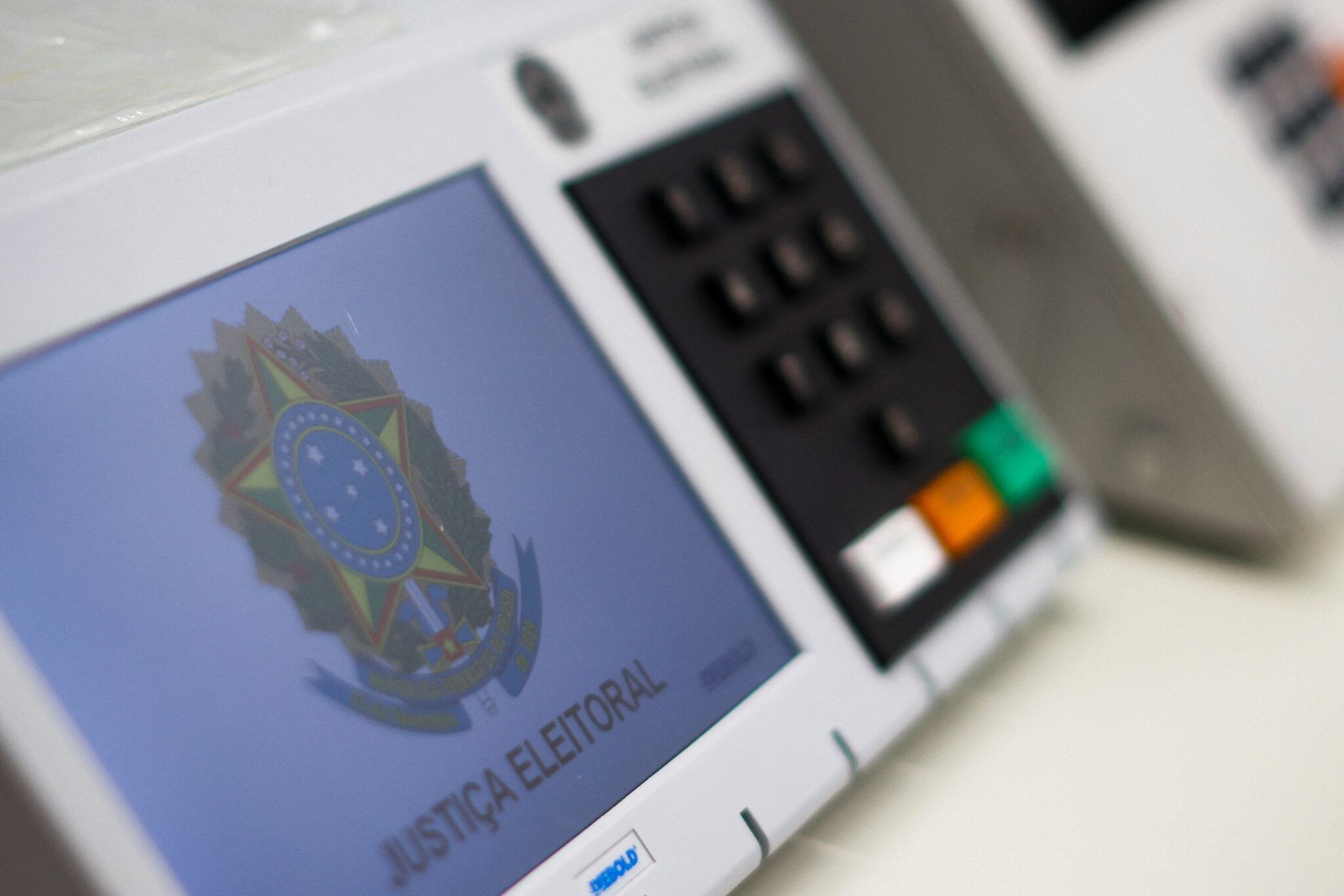
This matters deeply because Brazil’s voting system, once hailed as innovative, now faces persistent accusations of opacity. The urnas function as sealed black boxes: voters input choices, but ordinary citizens have no practical way to verify that their ballot was recorded accurately or counted honestly. Calls for printed vote receipts, broader independent audits, and real-time public oversight have been dismissed by authorities as unnecessary or even threatening to democracy. Meanwhile, the TSE’s reluctance to fully disclose supplier contracts, software code, or ongoing maintenance partners only deepens suspicion. If there is truly nothing to hide, why not release the details and let Brazilians see for themselves?
Conservatives and sovereignty-focused voices have long warned that reliance on any foreign-linked technology in elections invites external influence—whether intentional or accidental. Venezuela’s exported model serves as a cautionary tale: a once-prosperous democracy reduced to authoritarian control through controlled institutions, including its electoral machinery. Brazil, with its vibrant people and vast potential, must not repeat those mistakes. True electoral integrity requires sunlight. The TSE should immediately contact Smartmatic to demand removal from their promotional materials, publish every past and present contract, and implement verifiable safeguards such as voter-verified paper trails.
The Brazilian people, who sacrifice time and endure mandatory voting, deserve elections they can trust without reservation. Continued stonewalling only empowers skeptics and risks further division. It is time for the TSE to prioritize transparency over defensiveness—because in a true democracy, the people’s confidence in the vote is not optional; it is essential. Anything less undermines the very republic the court claims to protect.


