



When a Single Blurry Photo Can Steal Years of a Man’s Life
By Hotspotnews
The timing of Minister Schietti’s statement could not be more pointed. Brazil is living through one of the most aggressive waves of political prosecution in its democratic history. After the events of January 8, 2023, more than 1,500 citizens were arrested. Many were identified exclusively by photographs circulated on social media or by facial-recognition software that even its own developers admit is unreliable when applied to low-quality images. Some were pointed out by anonymous tipsters who later refused to testify in court. Others were simply in the wrong place when the cameras rolled.
Years later, a significant number of these defendants have seen their cases dismissed for lack of evidence. Yet they spent birthdays, Christmases, and the early years of their children’s lives in preventive detention, a measure that the law says must be exceptional but that has become the rule whenever the accusation carries a political flavor.
Conservatives, libertarians, and even moderate jurists have been shouting from the rooftops that something is deeply wrong. When the state can lock you up first and look for evidence later, reversing the most basic principle of criminal law (you are innocent until proven guilty), then no citizen is safe. It doesn’t matter if you waved a Brazilian flag in Brasília, posted a meme the authorities didn’t like, or simply happened to look like someone else in a grainy photo.
The left celebrates these arrests as “accountability.” The right sees them as selective punishment designed to criminalize dissent. Both sides can argue about the events of January 8 until the end of time, but one fact is undeniable: the Brazilian state is using a broken, unreliable tool, photo recognition without corroboration, to justify the longest and most widespread use of preventive detention in decades.
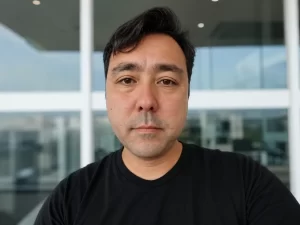
Minister Schietti’s ruling is a lifeline thrown to common sense. It reminds every judge, every delegate, every prosecutor that their personal dislike of a defendant’s politics is not evidence. A blurry selfie is not enough to rip a father from his family. A single witness who “thinks” the person in the photo is the one he saw is not enough to justify years behind bars.
Brazil needs to choose: either we are a nation of laws, where no one loses his freedom without solid, objective proof, or we are comfortable with a system in which the state can neutralize its opponents by the simple expedient of pointing at a photograph and saying “that looks like him.”
The conservative position has always been clear: the state must be strong against real criminals, drug traffickers, murderers, corrupt politicians of every stripe, but it must be chained by the Constitution when it turns its gaze on ordinary citizens. If we allow the exception of “political cases” to swallow the rule of law, then tomorrow any of us could be the next innocent man in the dock because a stranger on the internet said we “look like” someone who was at a protest.
Minister Schietti just reminded the country that the Constitution still matters. The question now is whether the Brazilian judiciary has the courage to obey it.