When Political Speech Becomes a Crime: The Uneven Hand of Brazilian Justice
By Hotspotnews
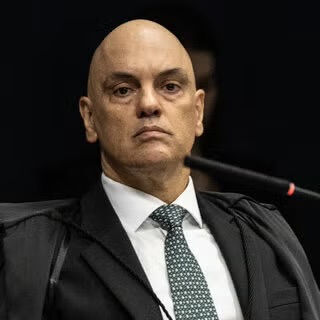
Under the stewardship of Justice Alexandre de Moraes, the Supreme Federal Court has concentrated an extraordinary number of politically sensitive inquiries. These have included investigations into alleged “fake news,” restrictions on social media accounts, passport seizures, and the sweeping process that culminated in the conviction and house arrest of former President Jair Bolsonaro. The same magistrate has repeatedly authorized measures that limit the ordinary right to political commentary, treating public statements by opposition figures as potential threats to democratic order. Legal scholars and even some retired members of the court have questioned whether this concentration of investigative and adjudicative power in one justice compromises the appearance of impartiality that the system is supposed to guarantee.
The contrast with the treatment of Lula himself is difficult to ignore. Convictions secured against him in the Lava Jato investigations, which had survived multiple levels of review, were ultimately annulled by the Supreme Court on procedural and jurisdictional grounds related to the conduct of the first-instance judge. The practical result was that Lula recovered his political rights, ran again, and returned to the presidency without a final judgment on the merits of those corruption accusations. Supporters of that outcome argue the earlier process was fatally flawed; critics see a system that found technical reasons to clear one political camp while applying the full weight of criminal process to the other.
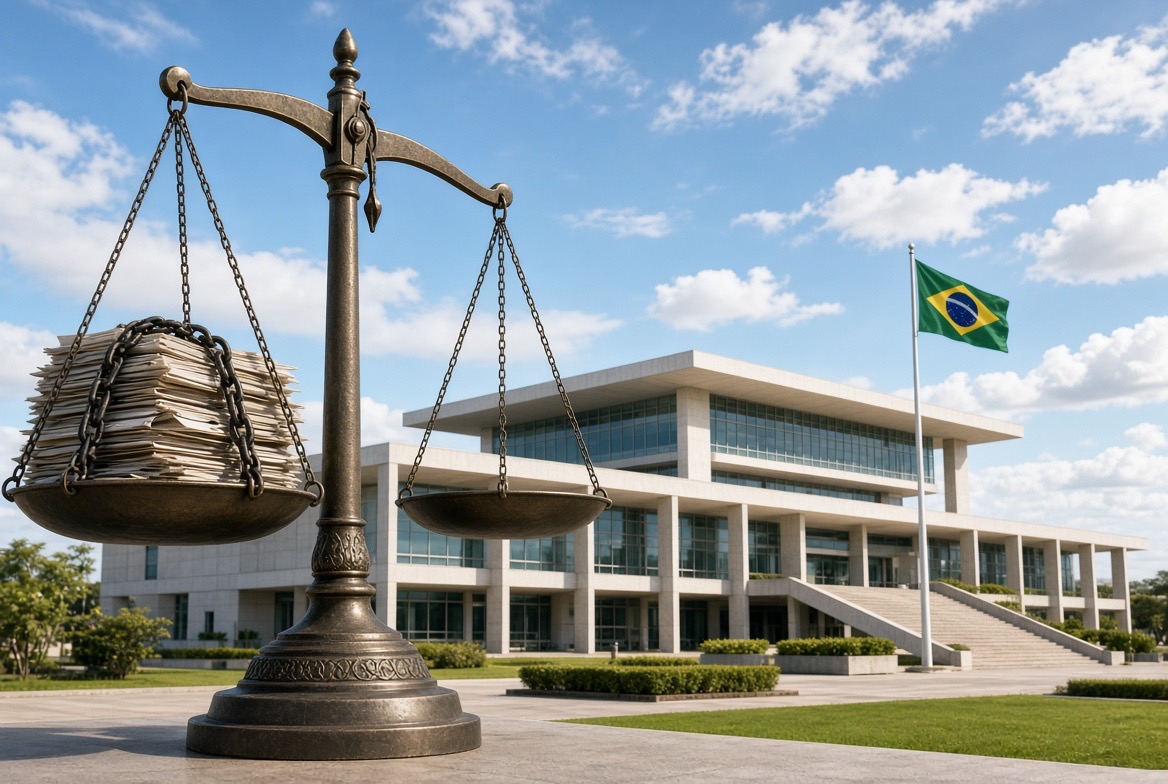
None of this requires denying that some acts of the previous administration crossed legal lines, nor that courts have a legitimate role in protecting institutions. The problem is the persistent asymmetry in timing, intensity, and procedural rigor. When a single justice can open inquiries, authorize intrusive measures, and later sit in judgment on related matters, and when similar language directed at other officials produces no comparable reaction, the public is left with the impression that the criminal law is being used as a political instrument. That impression, whether fully accurate or not, corrodes the legitimacy of the judiciary itself.
A democratic order depends on the principle that the same rules apply to those in power and those who oppose them. When that principle appears selectively enforced, the result is not greater stability but deeper polarization and lasting distrust in the institutions meant to stand above the contest. The recent denunciation of Flávio Bolsonaro is simply the latest illustration of how far that erosion has already advanced.
Sources for the article:
- Valor Econômico, G1, Estadão, and CNN Brasil (all November 18–19, 2026): Coverage of the PGR’s formal denunciation of Flávio Bolsonaro for calúnia over his January 2026 post linking Lula to drug trafficking, arms trafficking, money laundering, and related crimes in the context of Maduro’s capture. The case is under Justice Alexandre de Moraes; the post had over 700,000 views.
- Estadão (November 15, 2026): Report showing Moraes still concentrates a large share of criminal inquiries, actions, and executions at the STF (including roughly 30% of inquiries and nearly all executions), even after the main fake-news inquiry was closed.
- CNN Brasil and Reuters (November 9–10, 2026): Coverage of STF President Edson Fachin archiving the long-running “inquérito das fake news” after more than seven years, while noting that related procedures continue and that Moraes had concentrated much of the work in his chambers.
- Multiple Brazilian outlets (G1, Correio Braziliense, ConJur, and others, 2021 and revisited in 2026): Documentation of the STF’s annulment of Lula’s Lava Jato convictions (including the triplex case) on jurisdictional and bias grounds related to then-Judge Sergio Moro. The annulments restored Lula’s political rights without a final merits judgment on the underlying accusations. Recent comments by Justice Gilmar Mendes have reiterated that the nullification rested on findings of procedural misconduct rather than pure technicalities.
#STF #BrazilianJudiciary #RuleOfLaw #SelectiveJustice #FlavioBolsonaro #Lula #AlexandreDeMoraes #FreedomOfSpeech #BrazilPolitics #DueProcess